Islands in the Stream: Hemingway’s Quiet Epic Comes to the Screen
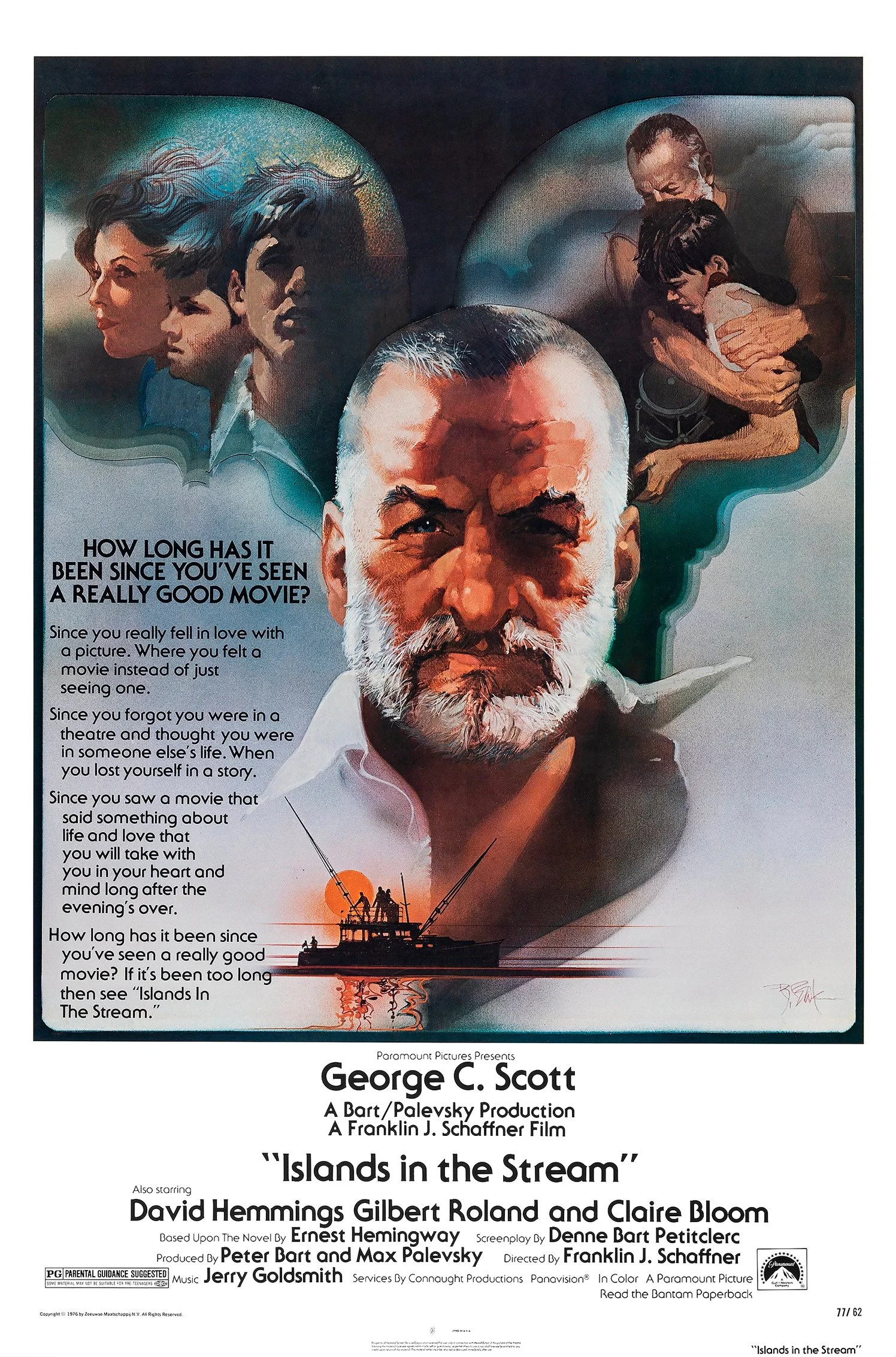
Released in March of 1977, the film reunites George C. Scott and director Franklin J. Schaffner to bring Hemingway’s sought after novel of fatherhood and moral resolve to life against the waters of the Bahamas.
Released in the United States on March 9, 1977, Islands in the Stream brought one of Ernest Hemingway’s posthumously published novels to the screen with a quiet intensity that mirrored the author’s later work. Directed by Franklin J. Schaffner and starring George C. Scott, the film explores themes of solitude, fatherhood, regret, and redemption against the luminous backdrop of the Bahamas during the early years of World War II.
When the novel was published in 1970, the screen rights quickly became one of the most sought after literary properties in Hollywood. Studios recognized not only the power of Hemingway’s name, but the cinematic sweep of the story, from intimate family drama to open sea wartime pursuit. The combination of emotional depth and maritime action made it especially attractive to filmmakers seeking prestige material with visual scope.
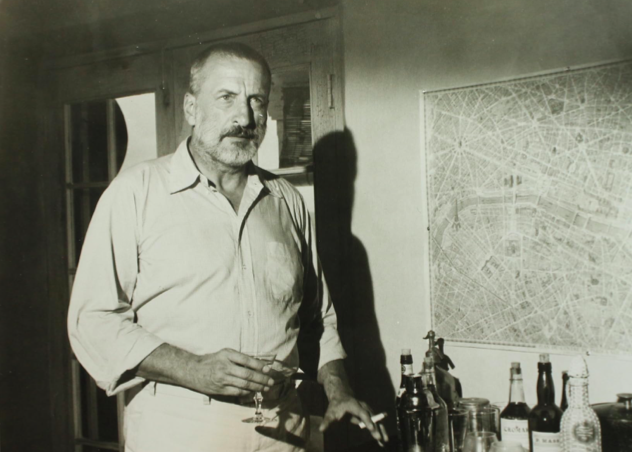
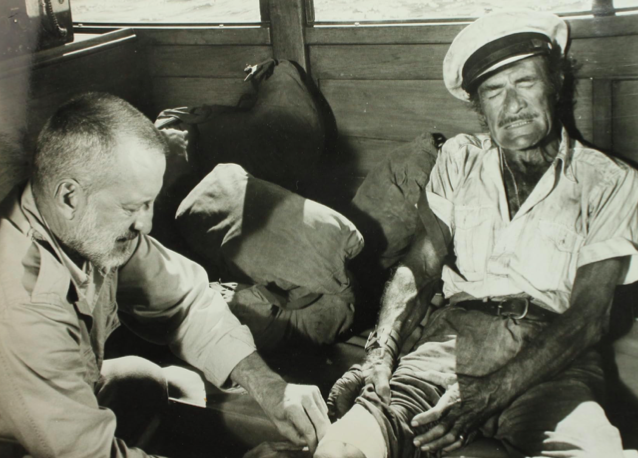
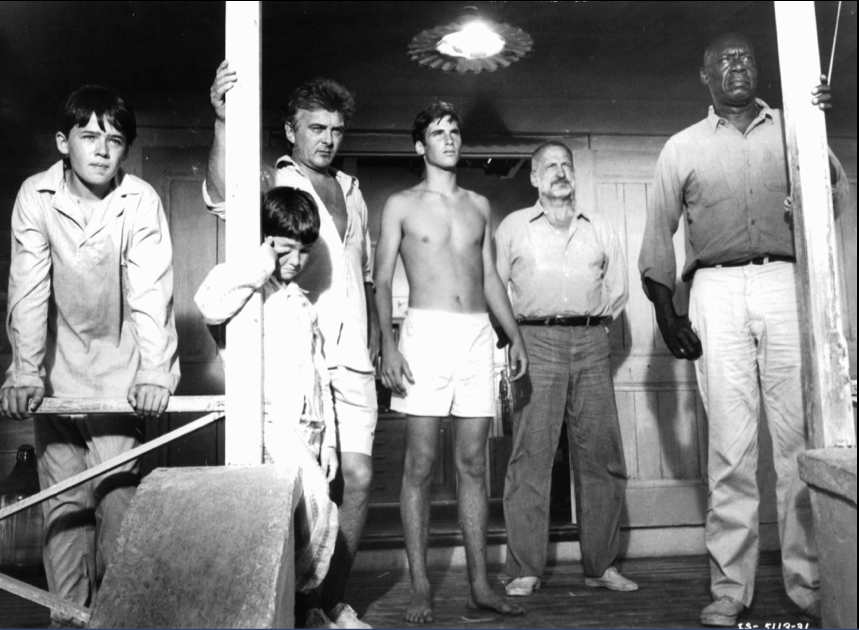
George C. Scott portrays Thomas Hudson, a successful painter living in relative isolation on the island of Bimini. Notably, Scott and director Franklin J. Schaffner had previously collaborated on the Academy Award winning film Patton in 1970, the same year Hemingway’s novel was released, a partnership that brought proven dramatic weight to this adaptation. The opening act moves deliberately, almost meditatively, as Hudson reconnects with his three sons during a visit that rekindles both joy and the ache of estrangement. The boys bring life and laughter into his carefully ordered world, and Scott’s performance reveals a man both guarded and deeply vulnerable. The emotional center of the film rests here, in the fragile attempts of a father to bridge distance created by time and temperament.
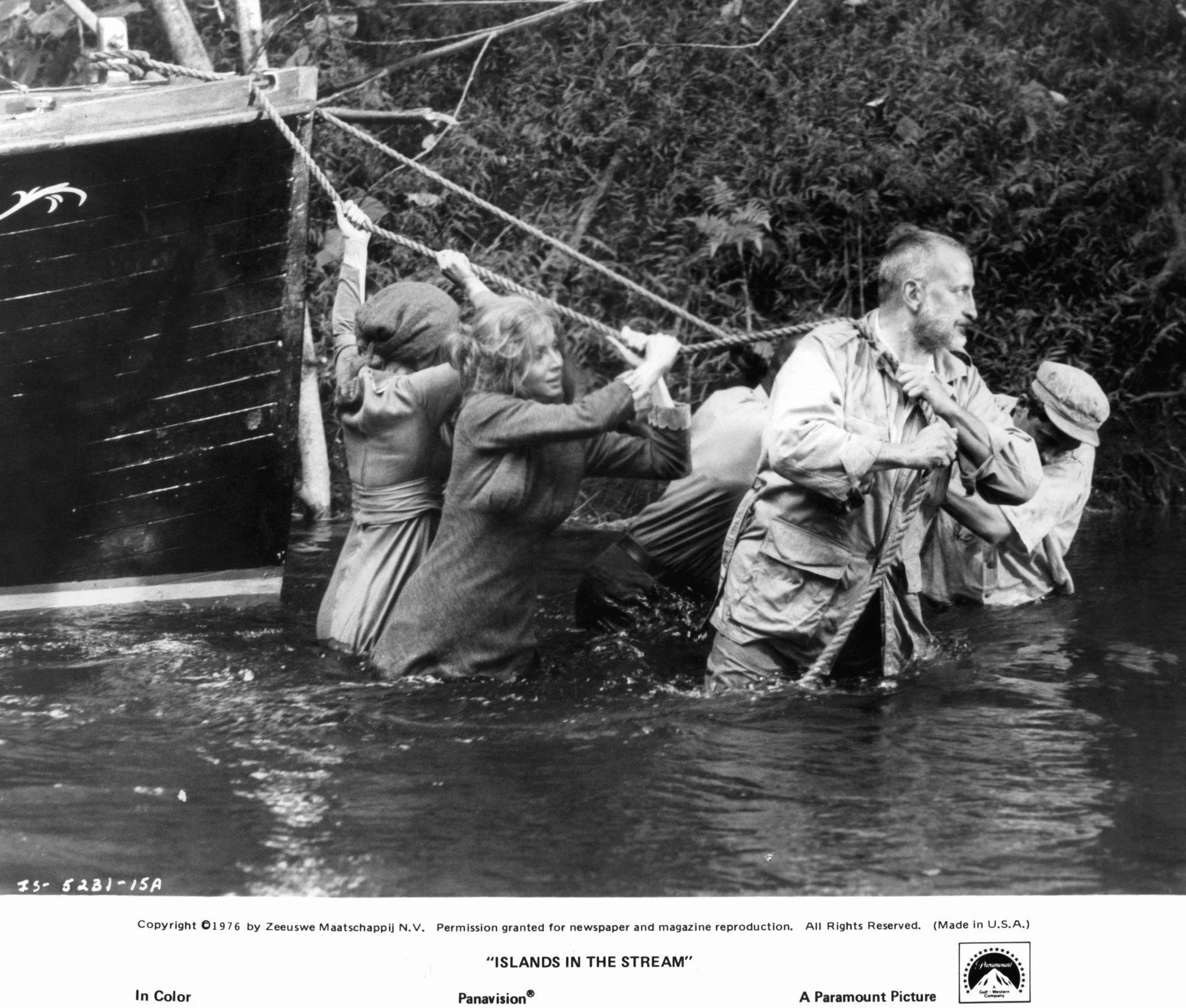
The tropical setting becomes more than scenery. Shot on location, the Bahamian waters and expansive skies create a visual calm that contrasts with the emotional undercurrents of the story. Hemingway’s sensibility is present in the quiet rituals of daily life, fishing, swimming, shared meals, and in the understated dialogue that carries weight without excess. The film resists melodrama, allowing pauses and silences to speak as powerfully as words.
As the narrative shifts, the tone darkens. War intrudes, and Hudson is drawn into a dangerous mission at sea, hunting German submariners in nearby waters. The final act transforms the film into a taut maritime pursuit, blending action with existential reflection. Here, the themes of loss and moral resolve intensify, and Scott delivers a performance that is restrained yet commanding. His portrayal captures a man who channels private grief into purposeful action.
Though it did not achieve blockbuster status upon release, Islands in the Stream has endured as a thoughtful, character driven adaptation. It stands apart from more overtly romantic or adventurous Hemingway films by focusing instead on interior conflict and emotional reckoning. The film’s deliberate pacing reflects the novel’s introspective nature.
In revisiting Islands in the Stream, viewers find a meditation on love, responsibility, and the quiet courage required to confront one’s own history. It is less spectacle and more study in atmosphere and character, anchored by George C. Scott’s disciplined performance and the enduring pull of Hemingway’s world.