A New Chapter in Key West: Hemingway and Pauline, 1927
Ninety-nine years later, a defining marriage that shaped Hemingway’s life, work, and the legend that followed.
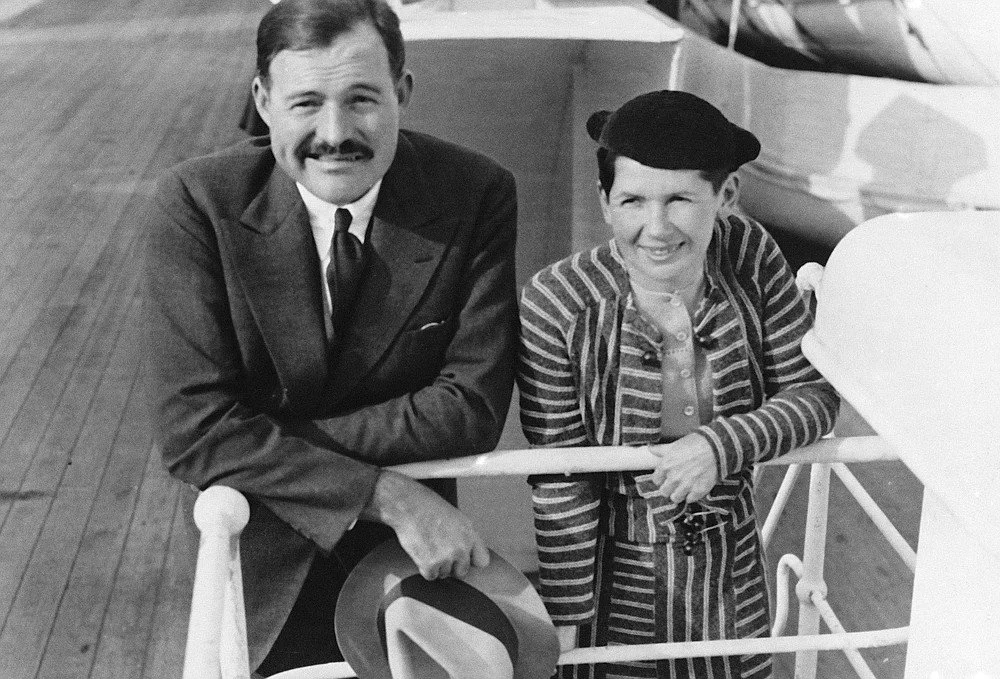
In 1927, Ernest Hemingway entered a new chapter in his life, one that would go on to shape both who he was and what he wrote. That year, he married Pauline Pfeiffer, a sharp, well connected journalist from a prominent Catholic family in Arkansas. Their marriage came at a moment when Hemingway was just beginning to find his footing as a writer, his voice gaining attention and his place among the Lost Generation becoming more defined.
The path to that marriage was complicated. Hemingway had been married to Hadley Richardson during his early years in Paris, a time that would later become central to his mythology. Pauline had been a friend of Hadley’s, and over time became part of their inner circle. What followed was not simple or clean. The shift in Hemingway’s personal life carried real emotional weight and ultimately led to the end of his first marriage. By May of 1927, he and Pauline were married, stepping into a new life together.
Pauline brought something different into Hemingway’s world. There was stability, a sense of structure, and financial security that allowed him to focus more fully on his work. Not long after their marriage, they moved to Key West, Florida. It was there, surrounded by water, heat, and a growing sense of independence, that Hemingway settled into a rhythm that would define some of his most productive years.
During this time, his career accelerated. He published Men Without Women and later A Farewell to Arms, works that helped cement his reputation. Pauline’s role in this period is often understated, but it was meaningful. She provided consistency and support at a time when his ambitions were expanding quickly.
Like much of Hemingway’s life, the marriage was not without strain. His need for movement, experience, and intensity did not always align with the life they were building. Still, their years together marked an important stretch, one where the foundation of his legacy was being built in real time.
Ninety nine years later, the marriage of Ernest Hemingway and Pauline Pfeiffer offers a clear look into a turning point in his life. It is a story about change, ambition, and the personal cost that often comes with it.