Where Hemingway Found His Rhythm: Life in Cuba
A closer look at how Cuba shaped his daily life, his passions, and some of his greatest work.
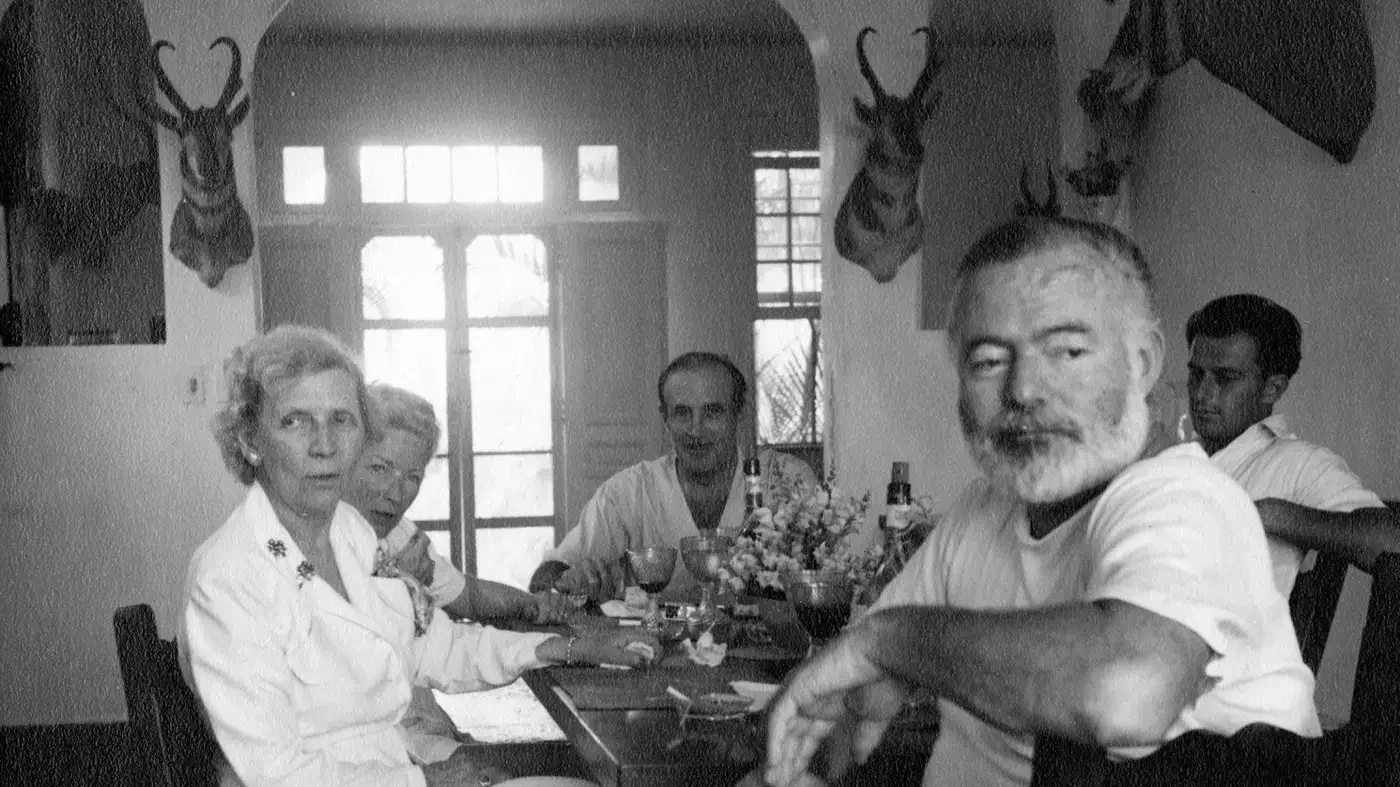
May 1939 is when Ernest Hemingway made Cuba his primary residence, beginning one of the most productive stretches of his life. He had spent time on the island before, but this was different. This was when he settled in for good, moving into Finca Vigía, a hilltop home just outside Havana where he would live for more than twenty years.
There were a few reasons Cuba made sense for him. The Gulf Stream was just offshore, offering some of the best fishing in the world, and that alone was a major draw. But it was more than that. Cuba gave him space. It was close enough to the United States to stay connected, but far enough away to feel removed from the noise. The pace of life, the people, the landscape all suited him. He could work in the mornings, fish in the afternoons, and live on his own terms.
That rhythm became his routine. He would write early in the day, often standing at his typewriter, focused and disciplined. By afternoon, he was out on the water aboard the Pilar. Fishing wasn’t just something he enjoyed. He took it seriously, studying it, respecting it, and becoming part of a growing culture around big game fishing. He was even involved, in spirit and practice, with early conservation-minded efforts tied to organizations like the International Game Fish Association.
Cuba also became the backdrop for some of his most important work. It was there that he wrote The Old Man and the Sea, a story shaped by the fishermen he knew and the waters he spent so much time on. When it was published in 1952, it struck a chord immediately. It earned him the Pulitzer Prize the following year and helped secure the Nobel Prize in 1954.
He worked on other writing during those years as well, including Islands in the Stream and A Moveable Feast, both published after his death. His home at Finca Vigía became a reflection of his life. Books stacked everywhere, fishing gear close at hand, pieces of his travels scattered throughout.
Hemingway stayed in Cuba until 1960, when political changes forced him to leave. By then, the island had become a part of him. It shaped how he lived, what he wrote, and how he saw the world. Cuba was not just where he stayed. It was where he did some of his best work and lived the kind of life he had always been chasing.