For Whom the Bell Tolls: Hemingway, Gary Cooper, and the Story Behind a Hollywood Classic
Revisiting the 1943 Classic, the Hemingway Novel That Inspired It, and the Friendship That Helped Bring Robert Jordan to Life
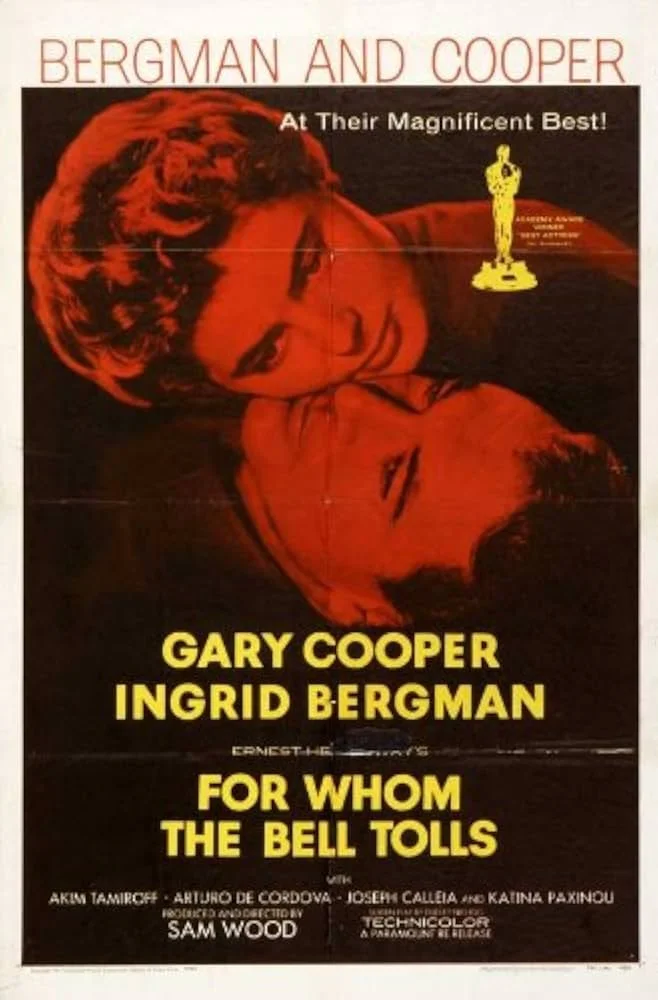
The anniversary of For Whom the Bell Tolls offers an opportunity to revisit one of the most important film adaptations of Ernest Hemingway's work and the remarkable friendship that helped bring it to the screen.
Released in July 1943, Paramount Pictures' adaptation of Hemingway's bestselling 1940 novel was one of Hollywood's most ambitious productions of the era. At its center was Robert Jordan, an American volunteer fighting alongside anti-fascist guerrillas during the Spanish Civil War. The novel's themes of courage, sacrifice, love, and duty resonated deeply with readers during a world once again consumed by war, and they continue to do so more than eighty years later.
For Hemingway, however, there was never much doubt about who should play Robert Jordan.
Long before the cameras rolled, Hemingway envisioned his close friend Gary Cooper in the role. In fact, when discussing the novel, Hemingway often remarked that Cooper was the man he saw as Robert Jordan. The casting seemed almost inevitable. Cooper possessed the quiet strength, authenticity, and understated confidence that Hemingway admired both on and off the screen.
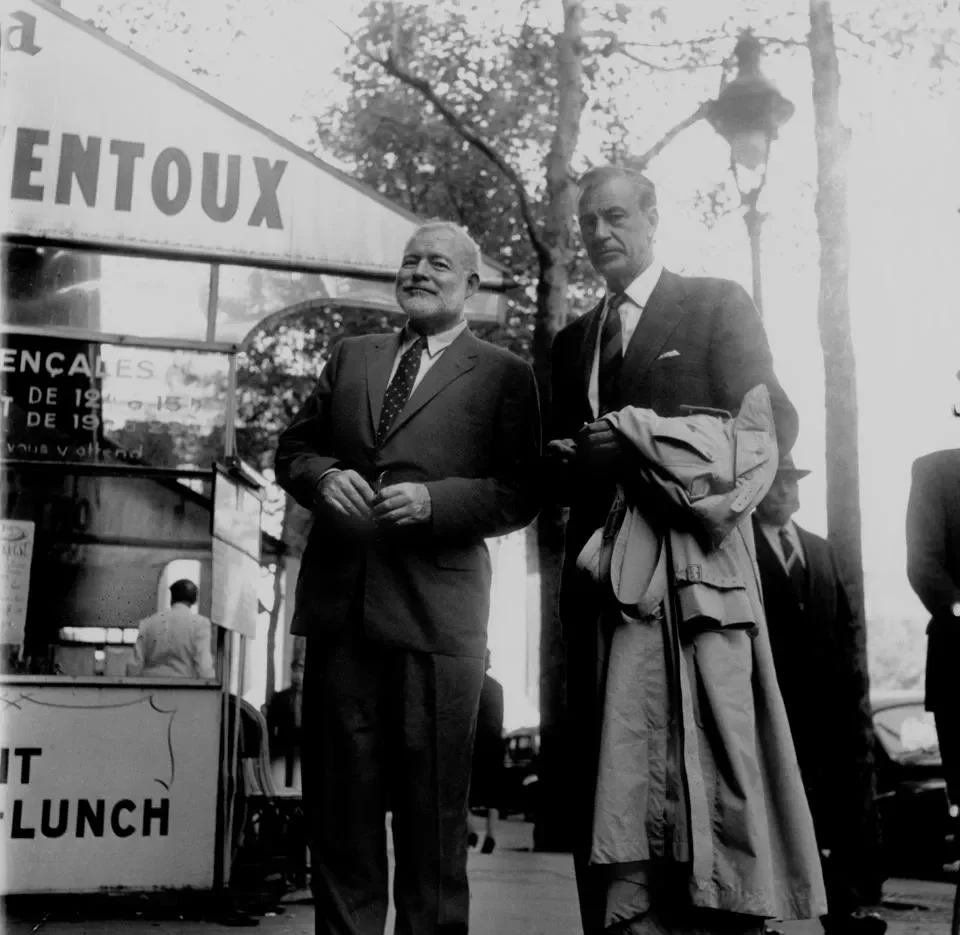
The friendship between Hemingway and Cooper was one of the most enduring relationships in either man's life. The two first met in the 1930s and quickly formed a bond rooted in mutual respect. Both preferred action to self-promotion. Both valued honesty and directness. Both were fascinated by adventure, travel, and the complexities of human character.
Hemingway once described Cooper as one of the finest men he knew, while Cooper greatly admired Hemingway's talent and commitment to his craft. Their friendship extended far beyond Hollywood and literature. They hunted together, traveled together, and remained close for decades. Few actors earned Hemingway's approval as consistently as Cooper did.
Their collaboration on For Whom the Bell Tolls represented the culmination of that friendship.
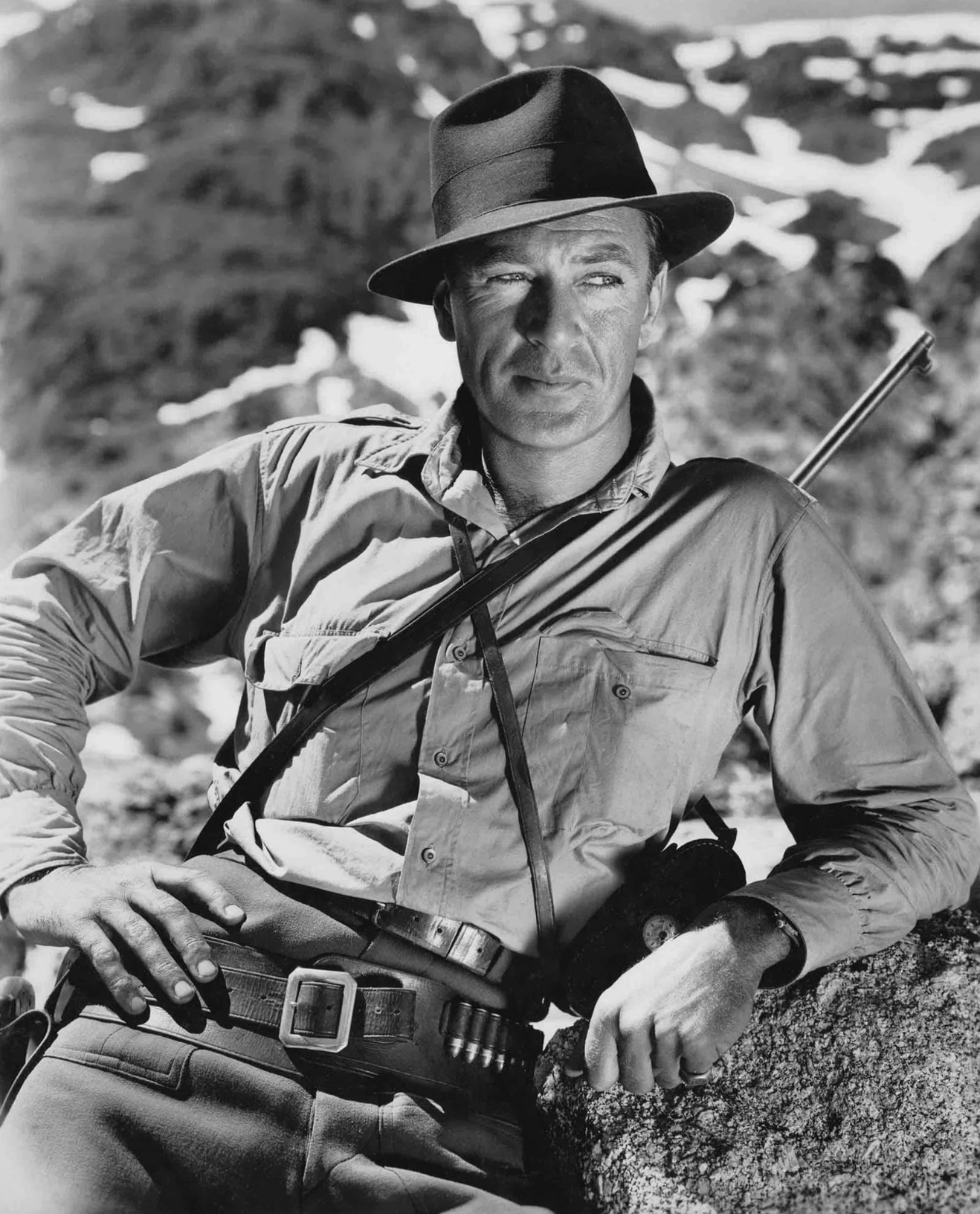
The film was an enormous undertaking for Paramount. Though set in Spain, much of the production was filmed in California's Sierra Nevada mountains, where filmmakers recreated the rugged landscapes of the Spanish countryside described in Hemingway's novel. At the time, it was one of the most expensive productions in studio history.
One of the film's most fascinating stories involves Ingrid Bergman, who was determined to play Maria. Bergman actively pursued the role and even altered her appearance to better match Hemingway's description of the character. Her performance would earn an Academy Award nomination and remains one of the most celebrated of her career.
Another little-known fact is that Hemingway visited the set during production and maintained a strong interest in how the adaptation was being handled. While Hollywood necessarily condensed portions of the lengthy novel, Hemingway was generally pleased with the casting and particularly supportive of Cooper's portrayal of Robert Jordan.
The finished film received nine Academy Award nominations and won the Oscar for Best Supporting Actress. More importantly, it introduced millions of moviegoers to one of Hemingway's most powerful stories.
Today, For Whom the Bell Tolls remains a unique chapter in Hemingway's legacy. It stands not only as a successful literary adaptation but also as a testament to the friendship between two American icons. Hemingway supplied the story. Cooper embodied its hero. Together, they helped create a film that continues to captivate audiences decades after its release.
As we celebrate this anniversary, For Whom the Bell Tolls reminds us that great stories can transcend mediums and generations. The novel remains one of Hemingway's greatest achievements, while the film endures as a tribute to the special bond between a legendary writer and the actor he believed could best bring his words to life.