Honoring Ernest Hemingway and the Italian Medal of Bravery
Remembering the Courage and Sacrifice That Shaped a Literary Legend
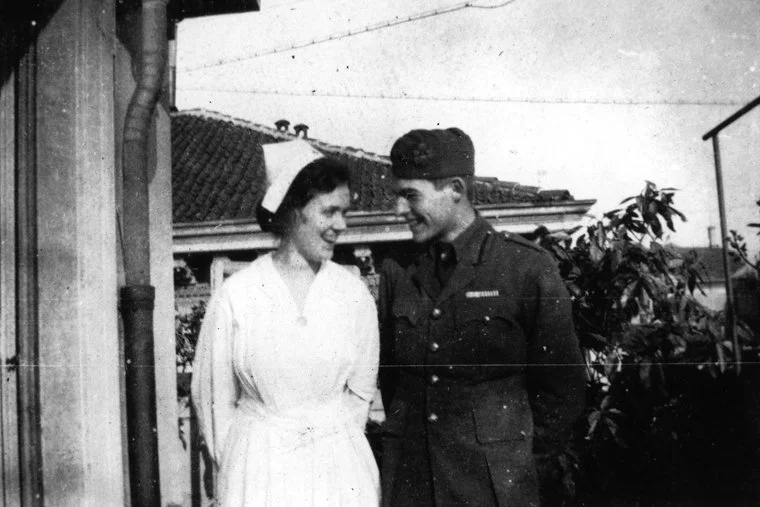
Each year, the anniversary of Ernest Hemingway receiving the Italian Silver Medal of Military Valor offers an opportunity to reflect on one of the most formative chapters in the life of one of the twentieth century's most celebrated writers.
Long before he became a Nobel Prize winner, a literary giant, and one of the most recognizable figures in American culture, Hemingway was a young man serving on the front lines of World War I. In 1918, at just eighteen years old, he volunteered as an ambulance driver for the American Red Cross in Italy. It was there, amid the chaos and devastation of war, that he experienced events that would forever alter the course of his life.
On the night of July 8, 1918, near Fossalta di Piave, Hemingway was delivering supplies to Italian soldiers when an Austrian mortar shell exploded nearby. The blast severely wounded him, embedding hundreds of pieces of shrapnel in his legs. Despite his own injuries, Hemingway reportedly carried a wounded Italian soldier to safety and continued to assist others under enemy fire.
For his actions, the Italian government awarded Hemingway the Silver Medal of Military Valor, one of the nation's highest decorations for bravery. The citation recognized his courage under extraordinary circumstances and his willingness to place the lives of others ahead of his own safety.
The significance of the medal extends far beyond the act itself. The experience marked Hemingway physically, emotionally, and creatively. His wounds required months of recovery, much of it spent in a Milan hospital where he fell in love with an American nurse, Agnes von Kurowsky. Their relationship, and its eventual heartbreak, would leave a lasting impression on the young writer.
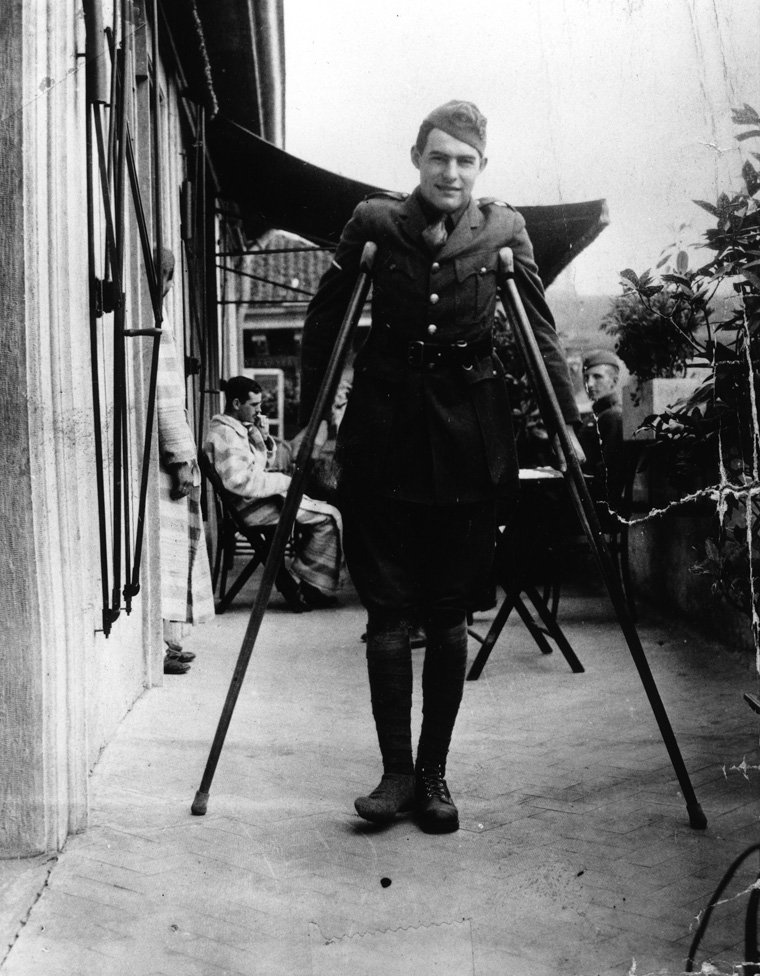
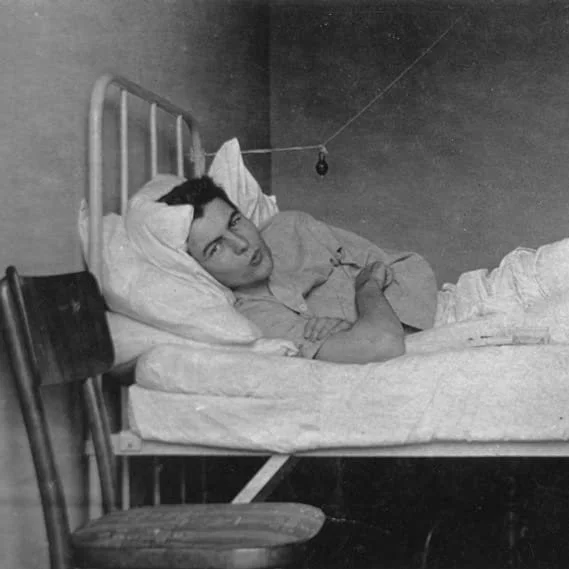
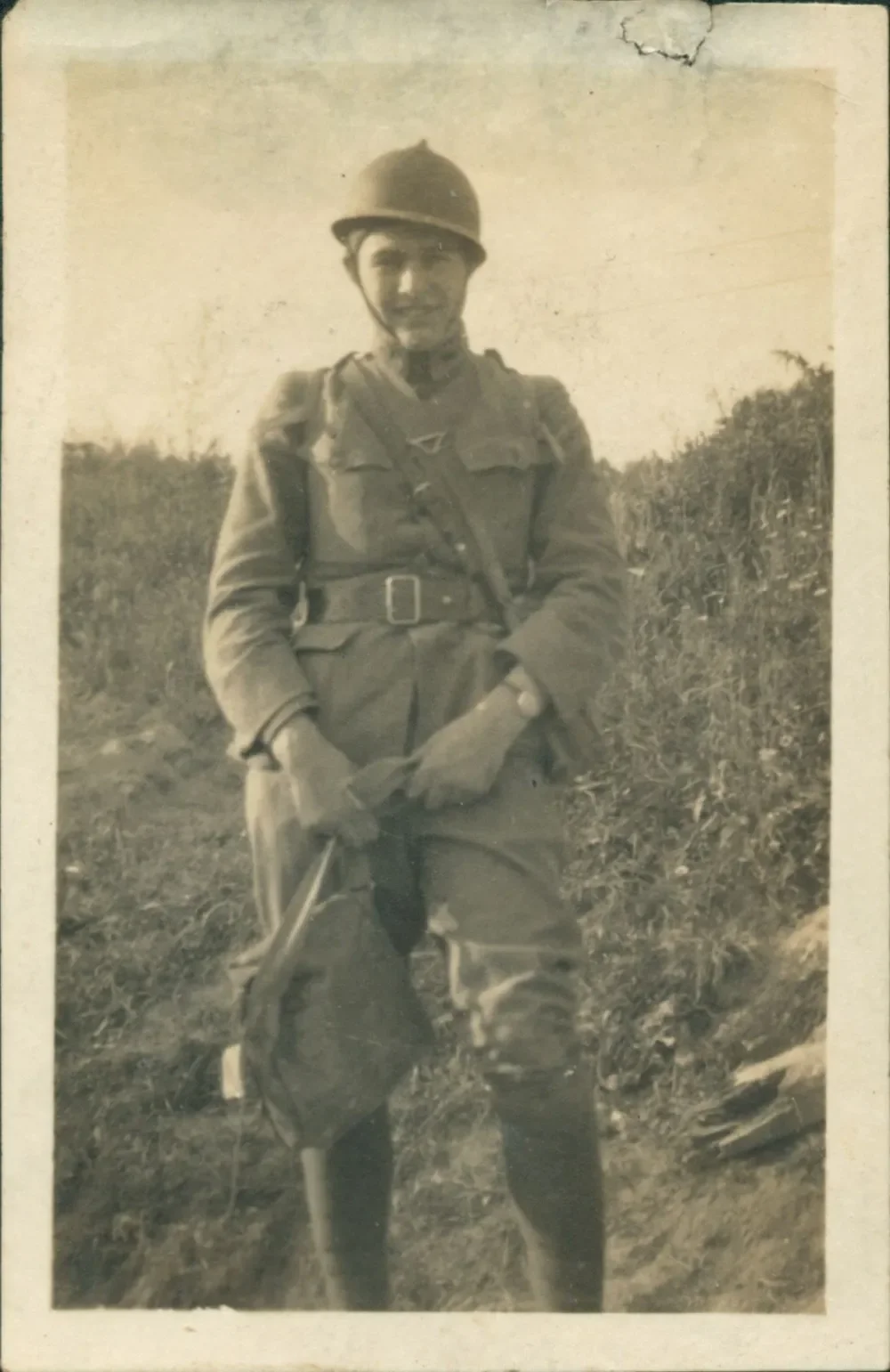
These experiences became the foundation for some of Hemingway's most enduring work. His acclaimed 1929 novel A Farewell to Arms drew heavily from his time in Italy, transforming personal experience into one of the most powerful antiwar novels ever written. The themes that would come to define Hemingway's writing, courage, sacrifice, love, loss, resilience, and the search for meaning in a difficult world, can all be traced back to those pivotal months during the First World War.
The medal itself also serves as a reminder that Hemingway's legacy extends beyond literature. While history remembers him as a writer, he was also a witness to many of the defining events of the twentieth century. Whether serving in war zones, reporting from foreign fronts, or documenting the human condition through his fiction and journalism, Hemingway consistently placed himself close to the action and the people living through it.
Today, more than a century after his service in Italy, the Silver Medal of Military Valor remains a powerful symbol of the bravery and determination that characterized both Hemingway's life and work. It stands as a testament to a young volunteer who, in a moment of crisis, acted with extraordinary courage and whose experiences would go on to inspire generations of readers around the world.
As we mark this anniversary, we remember not only the medal itself, but the remarkable journey it represents. It is the story of a young man whose experiences in war helped shape one of the most influential literary voices of the modern era and whose courage continues to be remembered more than a century later.