
From Africa to Hollywood
Celebrating The Snows of Kilimanjaro and the Story That Refused to Fade
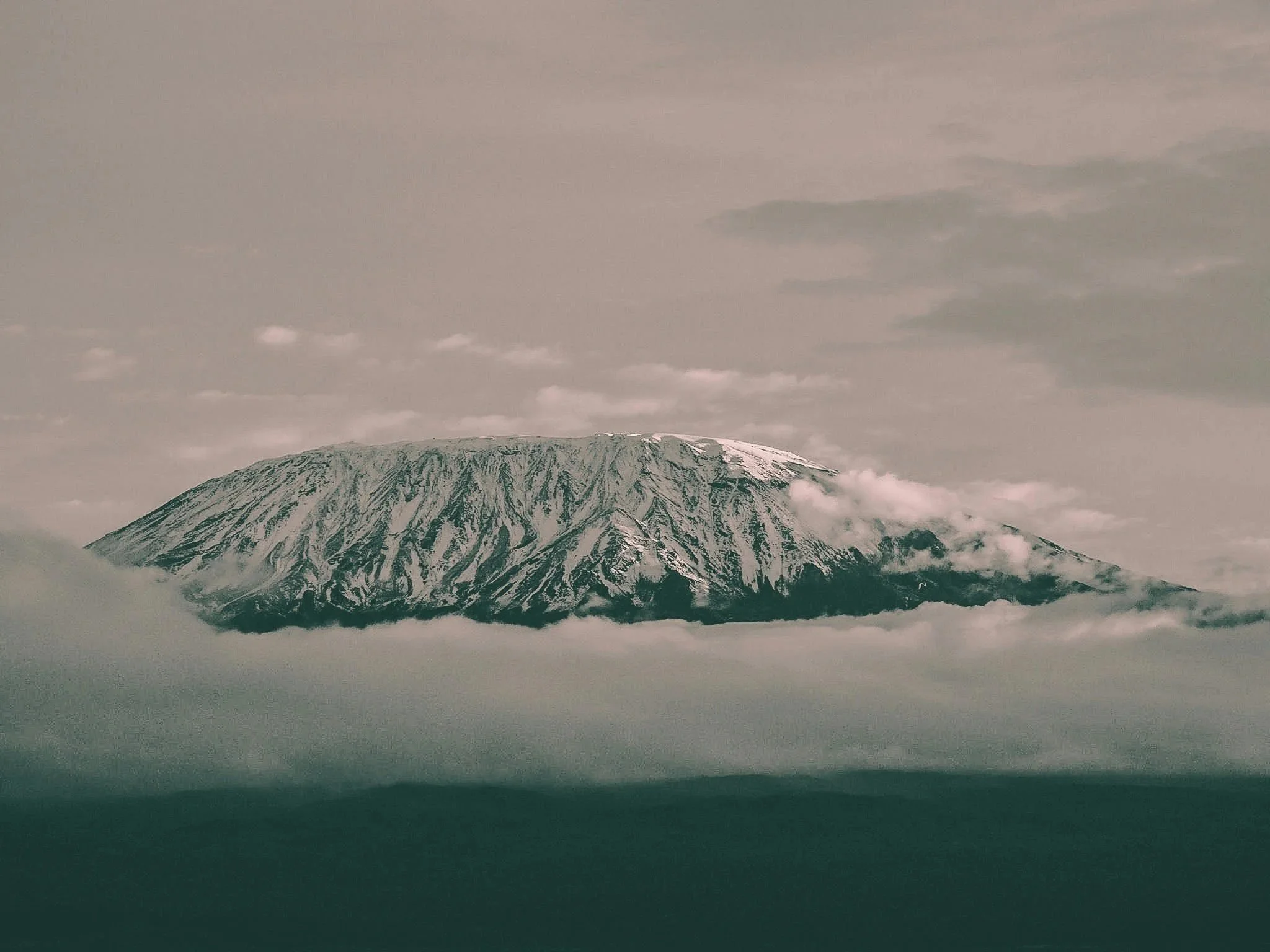
Few stories capture the fear of a life left unfinished quite like Ernest Hemingway's "The Snows of Kilimanjaro." Nearly ninety years after it first appeared in print, its themes of ambition, regret, and redemption remain as powerful as ever. This August, the anniversary of the classic film adaptation offers the perfect opportunity to revisit the story that became one of Hemingway's greatest literary achievements and inspired one of Hollywood's most memorable literary adaptations.
Even before the story begins, Hemingway invites readers into a mystery. In the opening epigraph, he describes Mount Kilimanjaro, Africa's highest peak, and the legendary leopard whose frozen carcass was said to have been found near its summit. Why the leopard climbed so high has never been explained, leaving readers to ponder its meaning. Like so much of Hemingway's writing, the image reveals only part of the story, inviting each reader to discover the rest beneath the surface.
First published in Esquire magazine in 1936, "The Snows of Kilimanjaro" is frequently ranked alongside "The Killers," "A Clean, Well-Lighted Place," and "The Short Happy Life of Francis Macomber" as one of Hemingway's greatest short stories. Through the character of Harry Street, a writer dying from an infected wound while on safari in Africa, Hemingway crafted a profound meditation on creativity, mortality, and the painful weight of unrealized ambition.
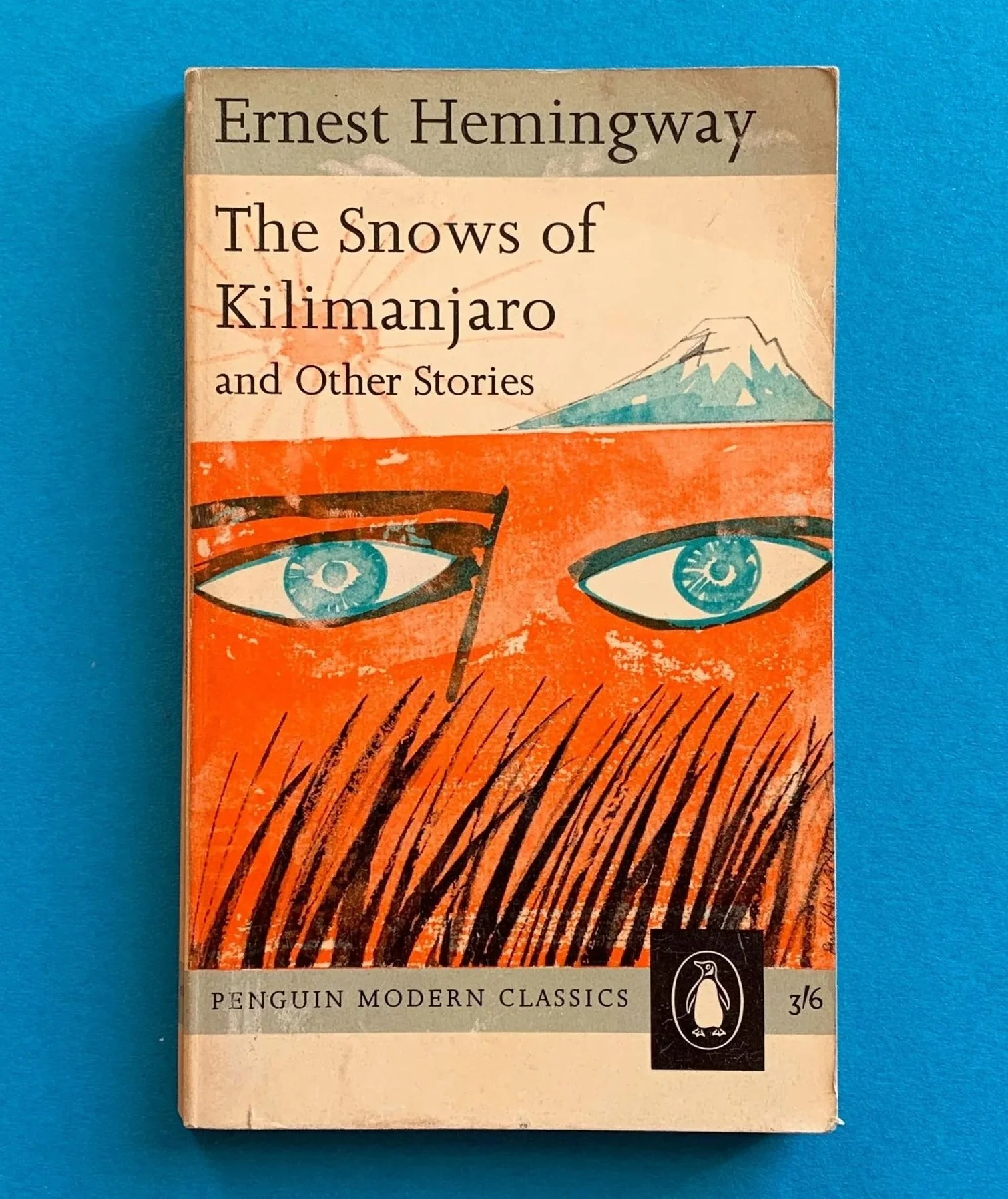
The story grew directly from Hemingway's own experiences. Following his first African safari in 1933 and 1934, he returned with notebooks filled with observations of the landscapes, wildlife, people, and dangers he had encountered. Those firsthand experiences gave "The Snows of Kilimanjaro" an authenticity that few writers could match. But beneath its vivid African setting lies something even more personal. Harry Street's reflections on unwritten stories and wasted opportunities have long been viewed as Hemingway confronting his own fears about artistic compromise and the fleeting nature of time.
Years later, Hemingway reflected that he had put "all the true stuff" into "The Snows of Kilimanjaro," even suggesting it contained enough material for several novels. It remains one of the clearest examples of his ability to transform deeply personal experience into universal literature.
The story's popularity eventually led to the 1952 film adaptation directed by Henry King and starring Gregory Peck as Harry Street, alongside Susan Hayward and Ava Gardner. Released in August 1952, the film introduced Hemingway's story to an even wider audience. While the screenplay expanded upon the original narrative and softened its conclusion, Peck's nuanced performance and the breathtaking African landscapes helped establish the film as one of the most enduring adaptations of Hemingway's work.
The success of the story continued long after its original publication. In 1961, it became the title piece of The Snows of Kilimanjaro and Other Stories, a carefully curated collection published shortly after Hemingway's death. Drawing from earlier collections including Men Without Women, Winner Take Nothing, and The Fifth Column and the First Forty-Nine Stories, the volume showcases ten of Hemingway's finest works and serves as an ideal introduction to his mastery of the short story.
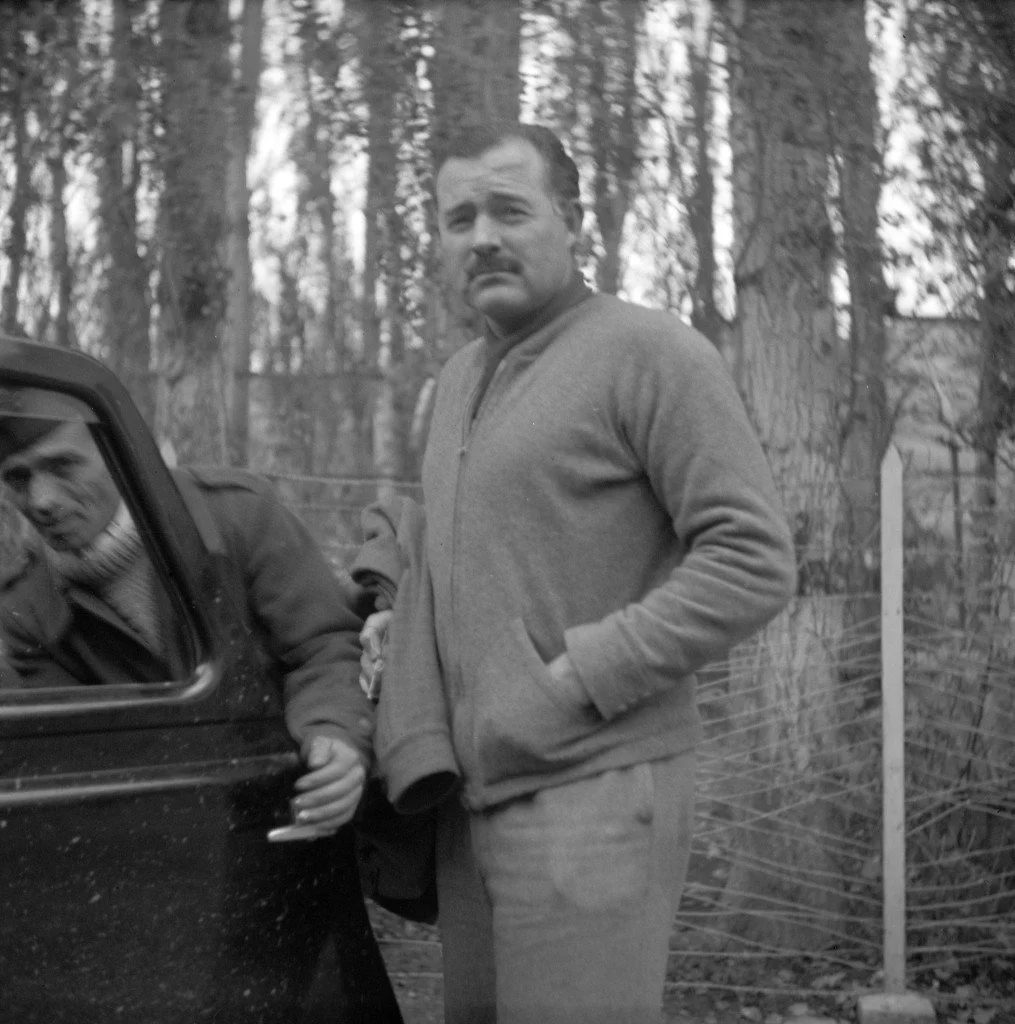
The collection offers far more than its title story. Readers will also discover the quiet dignity of "A Clean, Well-Lighted Place," the tension of "The Killers," the emotional complexity of "The Short Happy Life of Francis Macomber," and the deeply reflective "Fathers and Sons." Together, these stories demonstrate Hemingway's remarkable ability to communicate profound emotion through concise, carefully chosen prose.
Whether writing about courage, love, loss, aging, or redemption, Hemingway trusted readers to uncover meaning beneath the surface, an approach that became known as his Iceberg Theory. Much of what gives these stories their lasting power lies in what is deliberately left unsaid. That philosophy is perhaps nowhere more evident than in "The Snows of Kilimanjaro," where every memory, every silence, and every regret carries weight beyond the words on the page.
More than ninety years after the story first appeared in print and more than seventy years after its celebrated film adaptation, "The Snows of Kilimanjaro" continues to inspire readers and filmmakers alike. Its exploration of creativity, purpose, and the choices that shape a life remains as relevant today as it was in 1936.
This August, as we commemorate the anniversary of the classic film, we also celebrate the enduring legacy of the story behind it and the remarkable collection that introduced it to new generations of readers. Hemingway famously believed that great writing began with one true sentence. In "The Snows of Kilimanjaro," he wrote far more than that. Nearly a century later, readers are still making the journey to that snow-covered mountain, discovering that its greatest truths have never lost their power.
