
Henry Strater's Portrait of Hemingway
The Painting That Captured a Writer on the Verge of Becoming a Legend
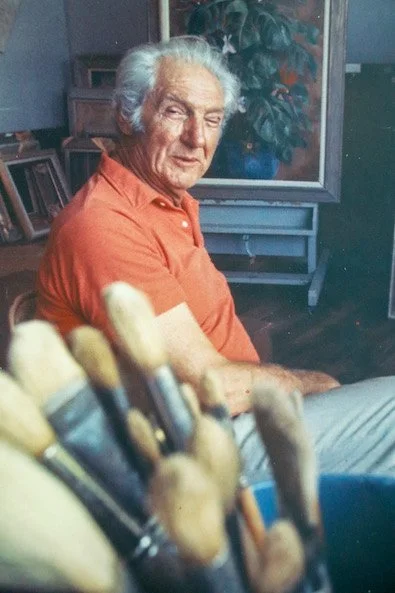
Among the countless photographs and artistic depictions of Ernest Hemingway, few are as enduring as the portrait painted by Henry Strater in Key West in 1930. More than a likeness of a famous author, the painting captures Hemingway at a defining moment in his life, when literary success, adventure, and public fascination were beginning to merge into the larger-than-life figure the world would come to know.
Henry Strater was more than simply an artist commissioned to paint a notable subject. Born in 1896, Strater was an accomplished American painter who moved in many of the same circles as Hemingway during the 1920s. The two men became friends through the expatriate communities of Paris and Europe, where writers, artists, and intellectuals gathered in the years following World War I. Their friendship was built on more than a shared appreciation for the arts. Both men loved boxing, fishing, travel, and competition, and they spent considerable time together during the height of their friendship.
By 1930, Hemingway had already published The Sun Also Rises and A Farewell to Arms, establishing himself as one of the most important young writers of his generation. He had settled in Key West, where he embraced deep-sea fishing, local life, and the outdoor pursuits that would become central to his public image. It was during one of Strater's visits to Key West that he painted what would become the most famous portrait of his friend.
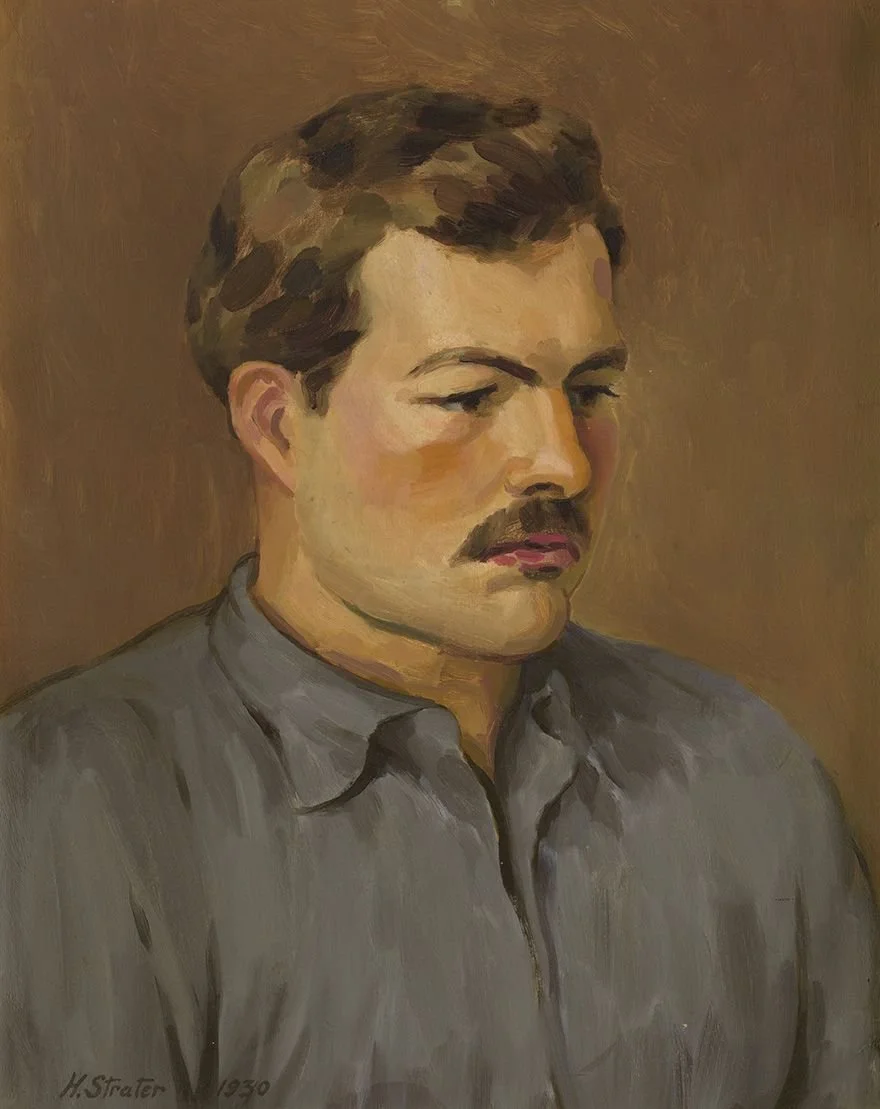
The result is a striking image. Hemingway appears confident, rugged, and deeply tanned, his expression conveying both intelligence and determination. There is little indication of the shy Midwestern journalist he had once been. Instead, the portrait presents a man already becoming an American icon. Looking at the painting today, one can see both the celebrated novelist and the adventurous spirit that would come to define Hemingway in the public imagination.
The portrait held special significance for Strater as well. In correspondence from the period, he revealed that he was initially dissatisfied with the work and spent several additional days refining it until he felt he had gotten it right. His dedication paid off. Nearly a century later, the painting remains one of the most recognizable artistic representations of Hemingway ever created.
For decades, the portrait remained in a private collection. In 2018, it was loaned to the Smithsonian's National Portrait Gallery in Washington, D.C., where it was featured as part of the museum's fiftieth anniversary celebration. The exhibition introduced many visitors to a portrait that had long been admired by Hemingway scholars and collectors.
What makes Strater's portrait so compelling is that it captures more than Hemingway's appearance. It preserves a moment in time. Painted by a friend who knew him well, the portrait reveals a writer standing at the crossroads of achievement and legend. The books that made him famous had already been written. The adventures, awards, and worldwide reputation that would cement his place in history still lay ahead.
Nearly one hundred years after it was painted, Henry Strater's portrait remains one of the finest visual records of Ernest Hemingway, capturing not just the man, but the emergence of the myth.
