Hemingwrite to the Rescue
“There is nothing to writing. All you do is sit down at a typewriter and bleed.”
- Ernest Hemingway
When I was 22 years old and a few months away from graduating from college at USC in Los Angeles, I had no idea what I was going to do with my life. I was studying an eclectic mix of film, photography, creative writing, philosophy, psychology and most practically, Italian. I had no grand scheme for how it all fit together. Then one day, in a stroke of fate, I got a call from my father who said he might have landed me a job in Tanzania. It sounded too good to be true.
He had overheard a conversation with a guy who owned a safari company and was looking for someone to film hunts. My father told him that I was about to graduate from film school and that they should hire me. A long story short, sight unseen, they did. Before I graduated, one of my professors pulled me aside, handed me an old copy of Green Hills of Africa and said something along the lines of, “Since you’re about to go live a Hemingway-style life, you should probably read this first.”
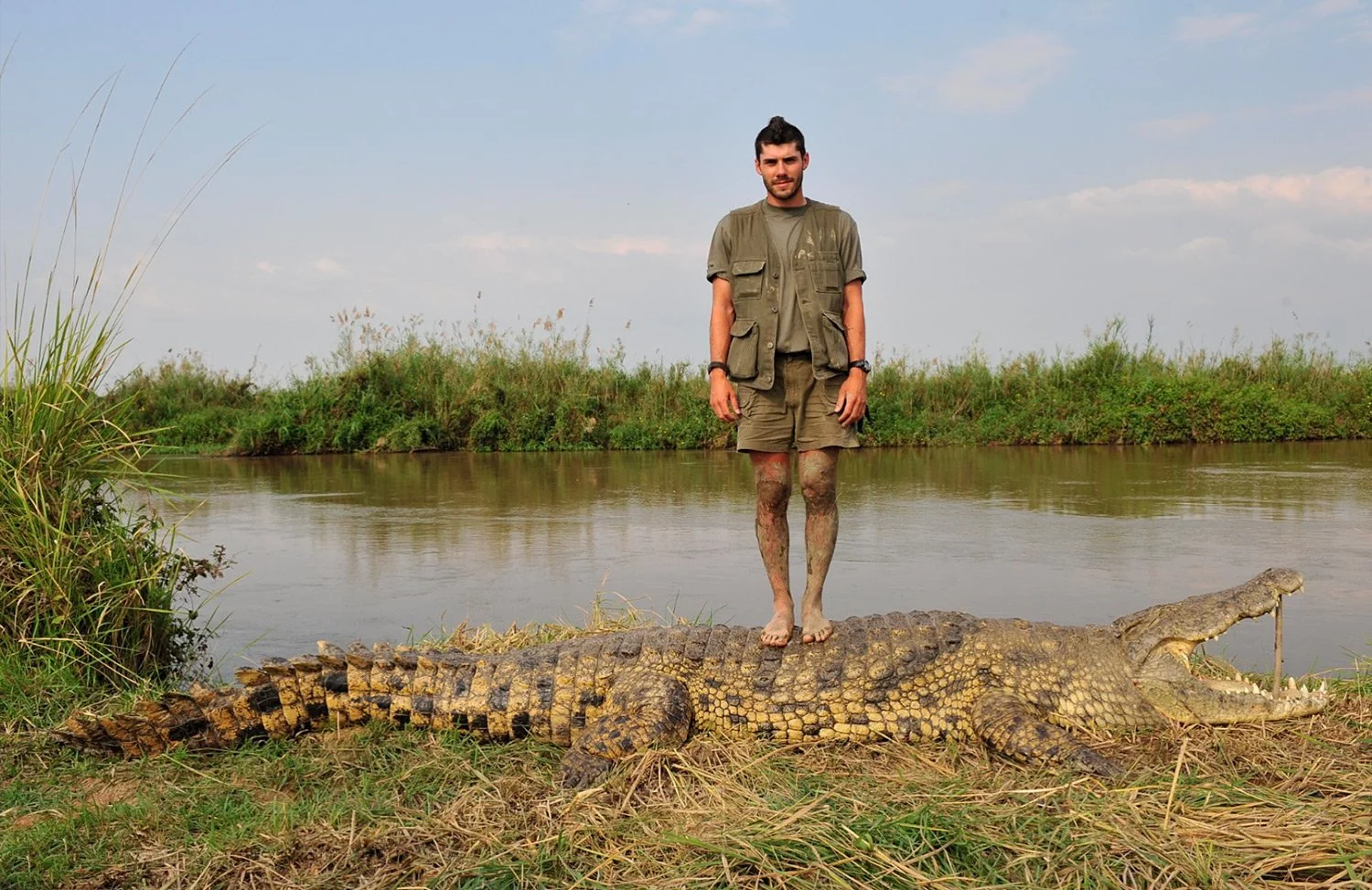
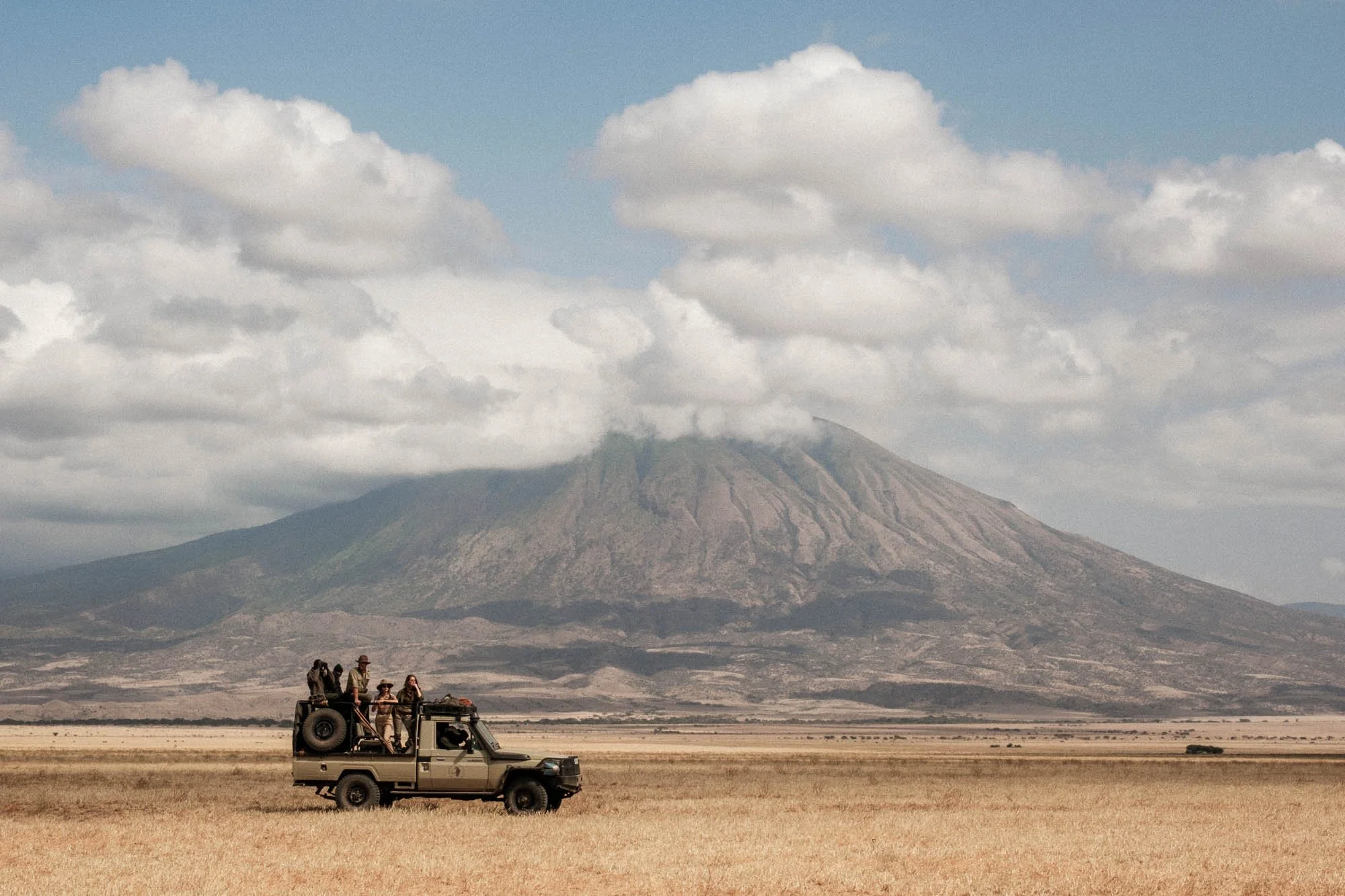
The book blew my imagination wide open. I had erroneously considered myself a writer before, but it would be that novel and those destiny-defining months ahead that would instill a lifelong obsession with the idea that one could still live the “life of a writer” in a modern age.
In East Africa, I was thrown headlong into a place that was as wild as it gets. Just like a new pair of boots that has to be broken in, I was scratched, muddied, bitten and chased by just about everything dangerous before I began to feel comfortable and was able to truly listen and learn from the wildness around me.
I would make films of hunts for clients, but the photographs I would take and journals I would fill were for myself. Living in the bush was a life of adventure, and I chronicled my observations and lessons, writing about it as a way to communicate what I was experiencing to other people back home. Life was good, and apart from some of the danger that comes with being around animals that can kill you, it was quite simple. Nothing will ever compare to that first safari. I was discovering so much for the first time, and I think about it often.
Over the next three years, I traveled to nearly 35 countries, documenting safaris, expeditions, conservation projects and hunting adventures. All over Africa, Pakistan, Russia, Mexico, India and beyond. I lived the sort of swashbuckling life that my friends with kids would joke about and call me "Uncle Safari” - a nickname that has since stuck. I wrote about all of it.
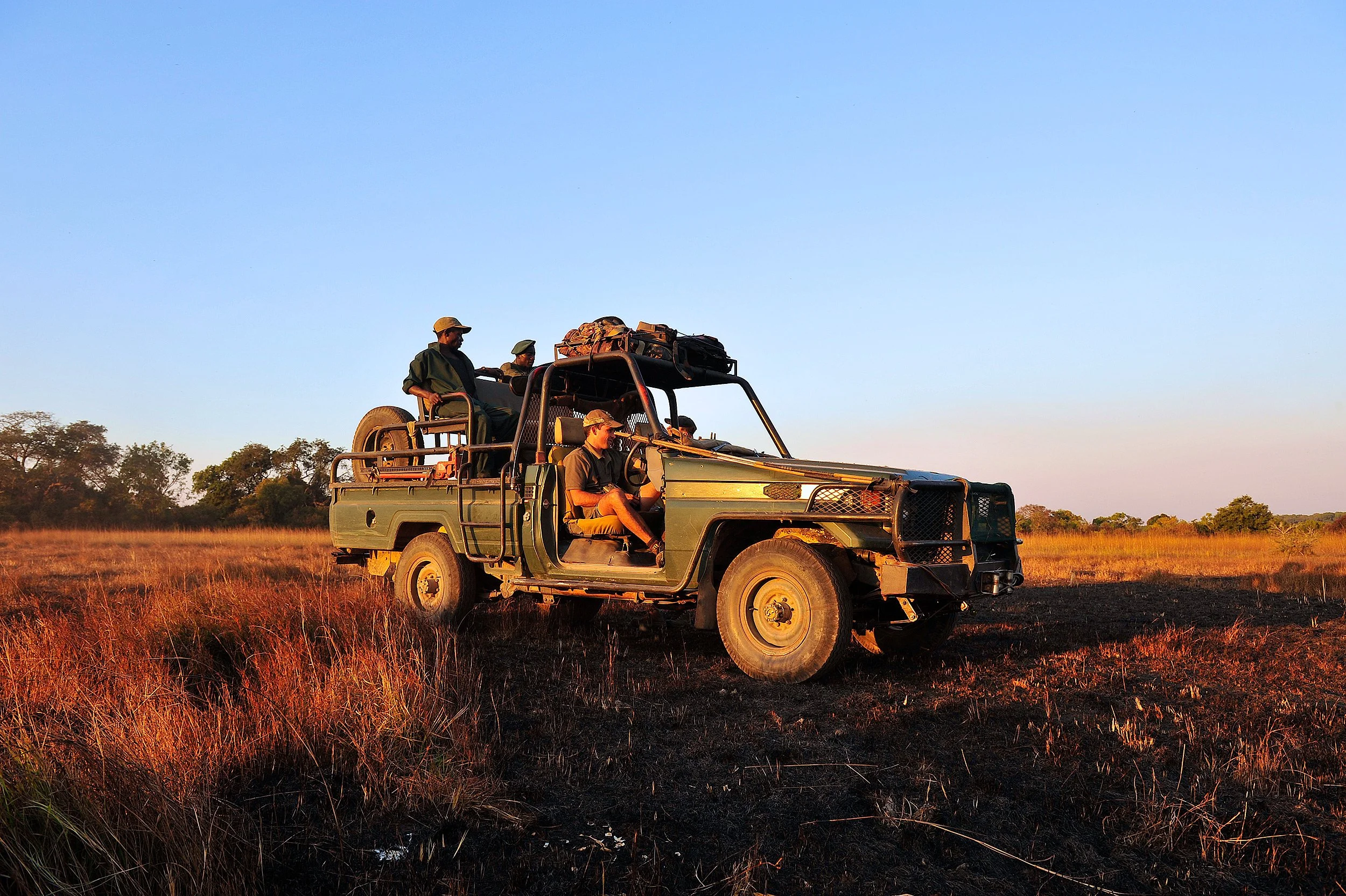
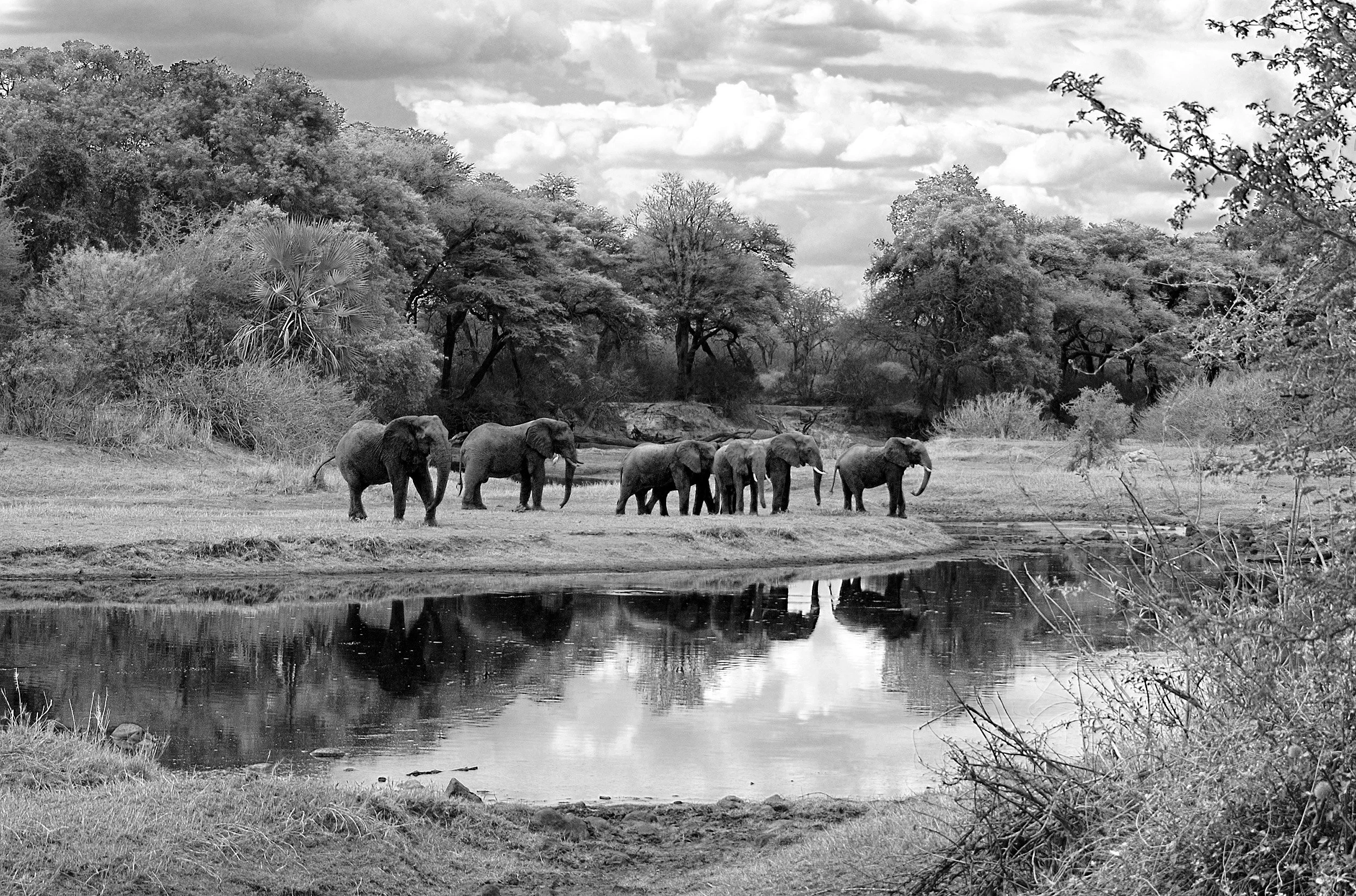
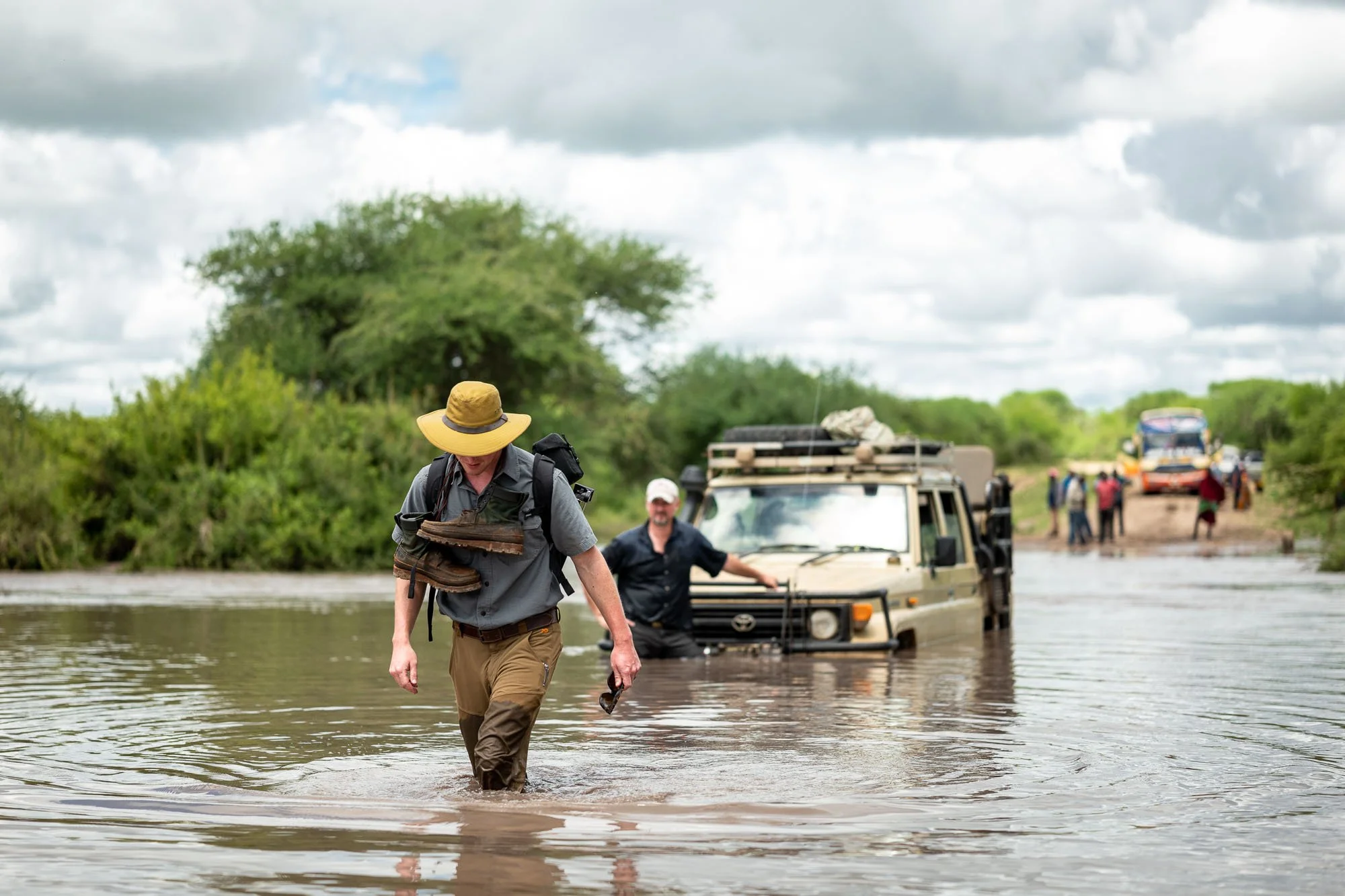
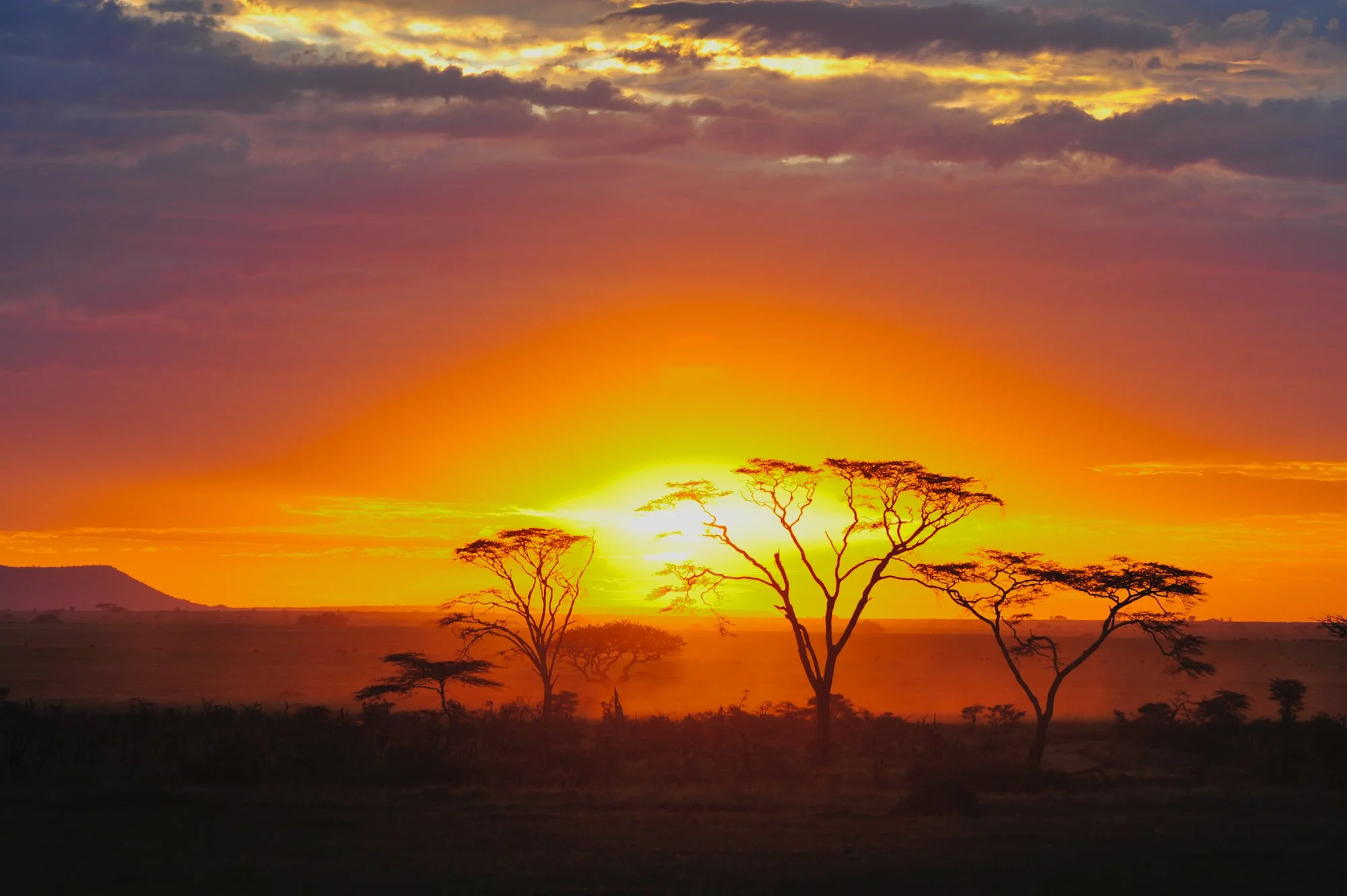
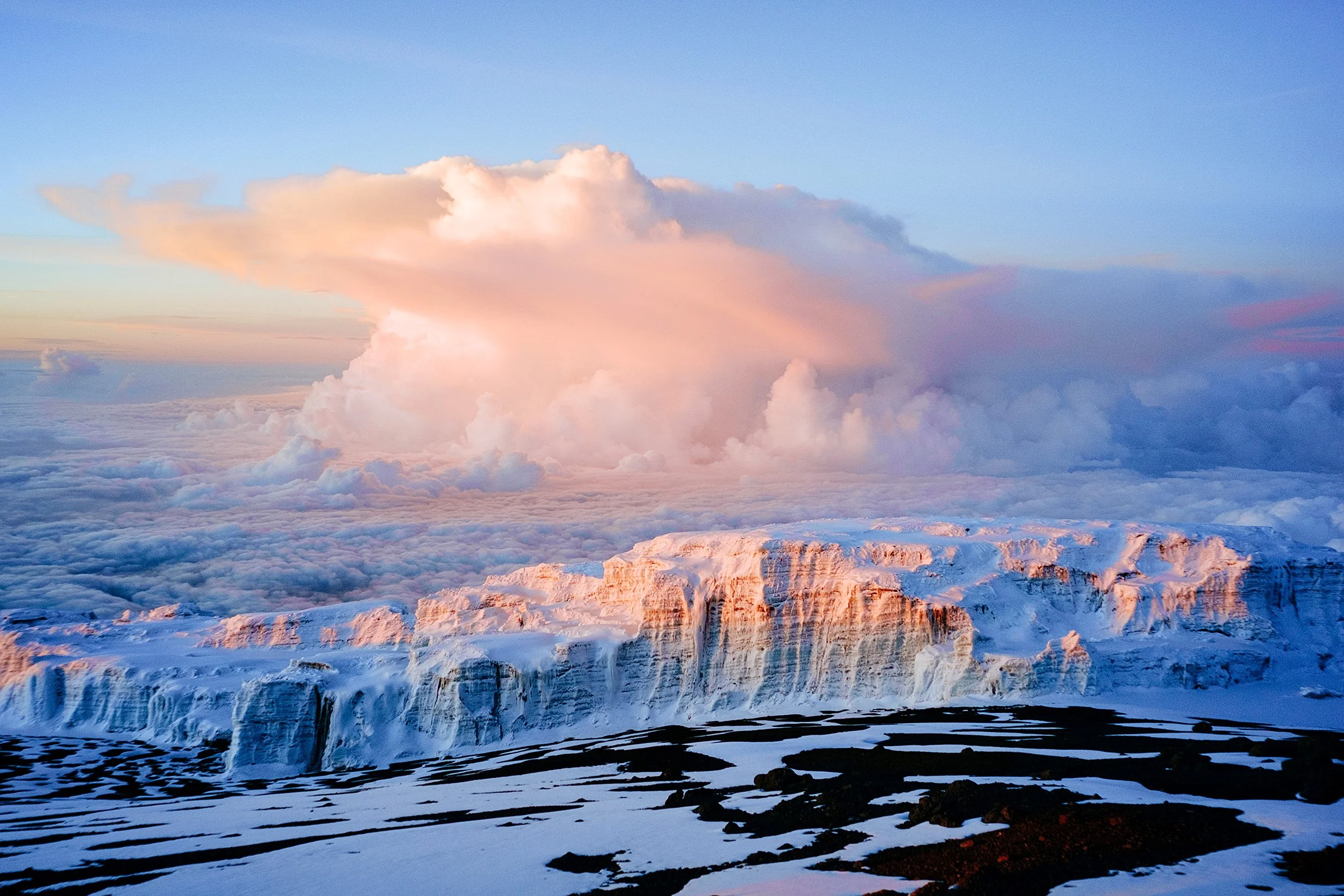
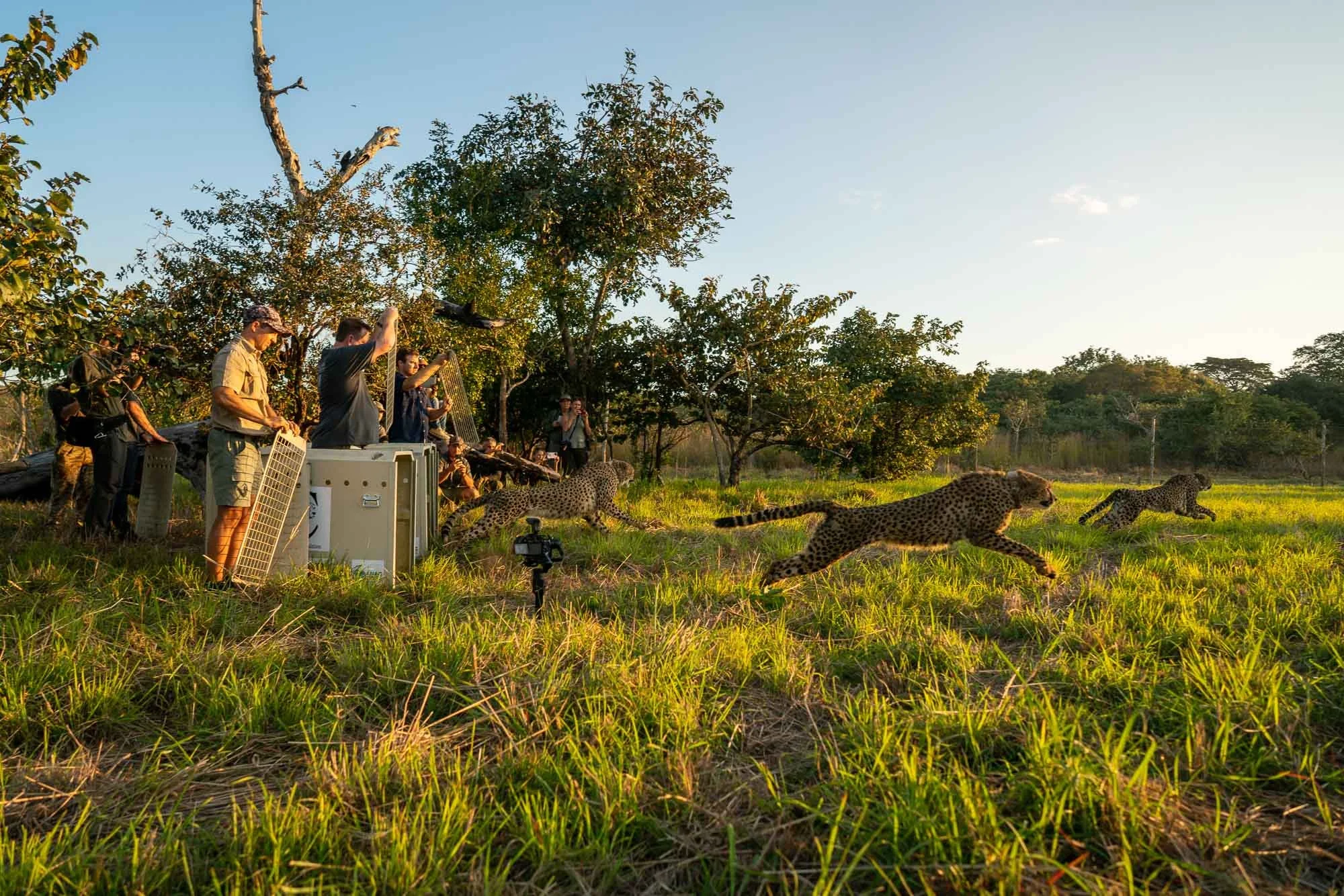
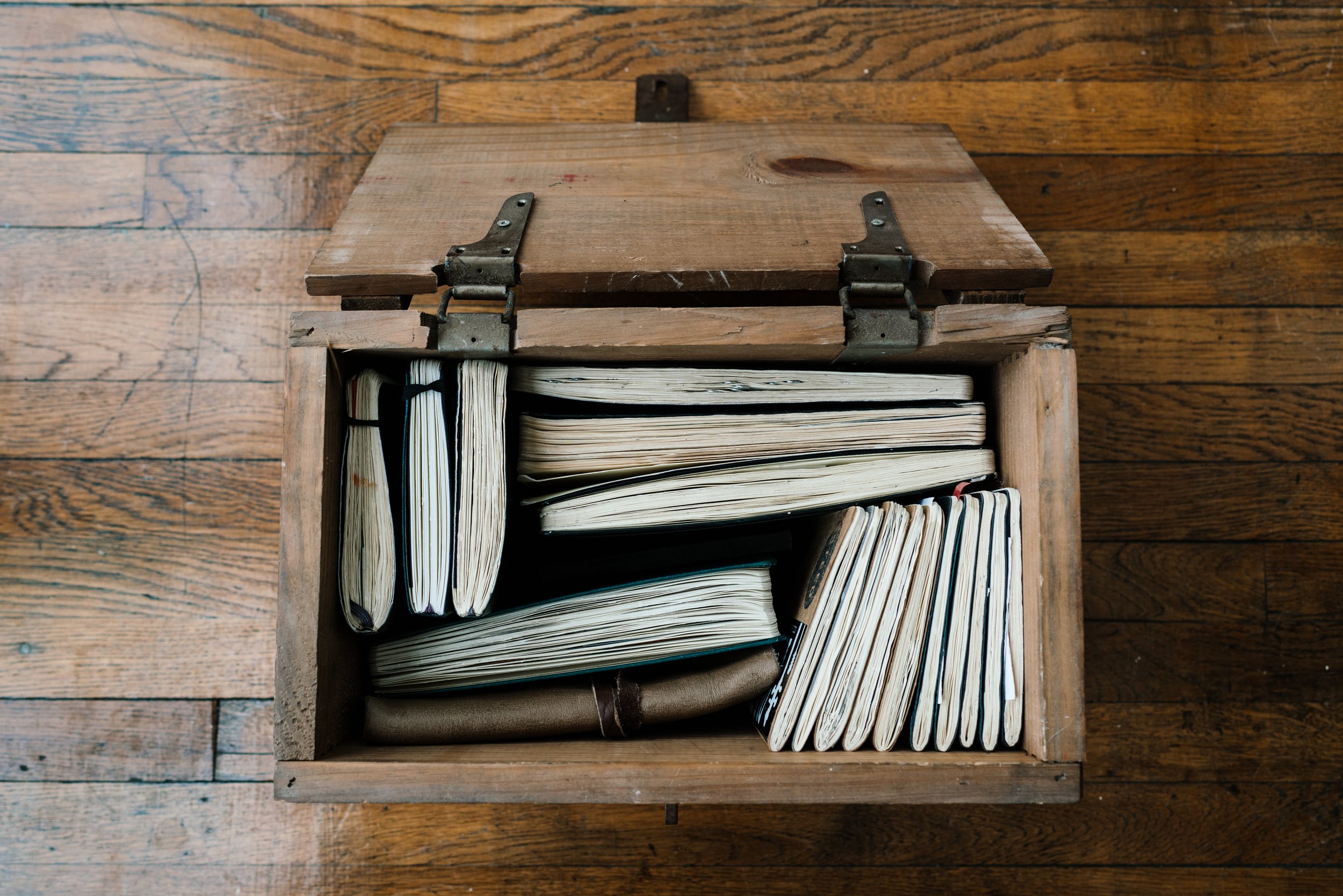
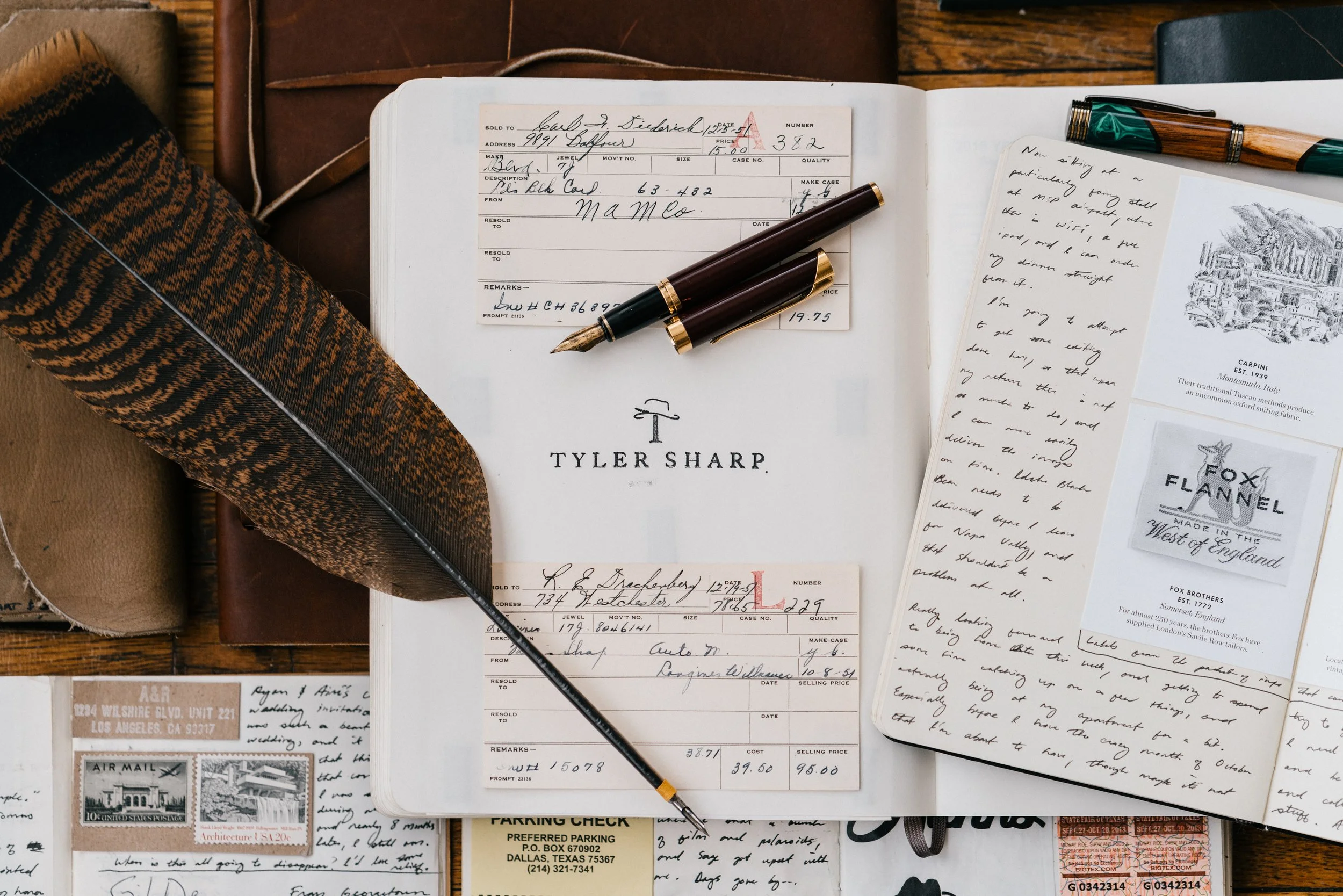
There are five wooden chests full of parchment-lined notebooks that recollect this time, which feel like the best years of my life. I say this not in some overly nostalgic way, but because the work I was creating was entirely for myself, free of pressure, anxiety, and the inevitable tribulations that professional writing would eventually bring. Sure, I was an amateur — a blissful one at that — but it helped lay a strong foundation for something that is required of a writer: you must have a love affair with writing.
Eventually, the assignments and creative projects for hire came. I wrote down a list of publications and brands I wanted to work with, and one by one, I checked nearly all of them off. However, as my youthful exuberance slowly wore off and the expectations of editors and creative directors got higher, I started to lose some of the joy. It got harder, more painful even, to write something I loved and was inspired by.
For many, writing has been a timeless struggle where words fall short of an experience. Not being able to write what you feel is an especially torturous experience. Blank page paralysis is a very real and beastly thing.
Let's not forget about the baggage that editors have and take out on you: personal biases, bad moods, power trips, bottomless ego pits and just plain pettiness. I experienced it all and took it too personally. I became disenfranchised and lost interest and passion in both photography and writing. It felt like a mechanical exercise for someone else who didn’t care that much, and was never good enough. I was also tired of being told no for story ideas that were outside of what paid lip service to advertisers or only had clickbait potential.
So, in 2017, I led the charge to raise 100k on Kickstarter and launched a biannual publication called Modern Huntsman. Focused on bridging communication gaps between those who hunt and those who don’t, the focus was to curate inspiring stories, characters, cultures and conservation projects that were often overlooked. We found an underrepresented niche and, since then, have published 16 volumes totaling over 3500 pages, developed countless online stories, dozens of films and photo essays, and published a cookbook with Ten Speed Press.
However, while some of the pressure of not having to write for other editors has been lifted, the writing has not necessarily gotten easier.
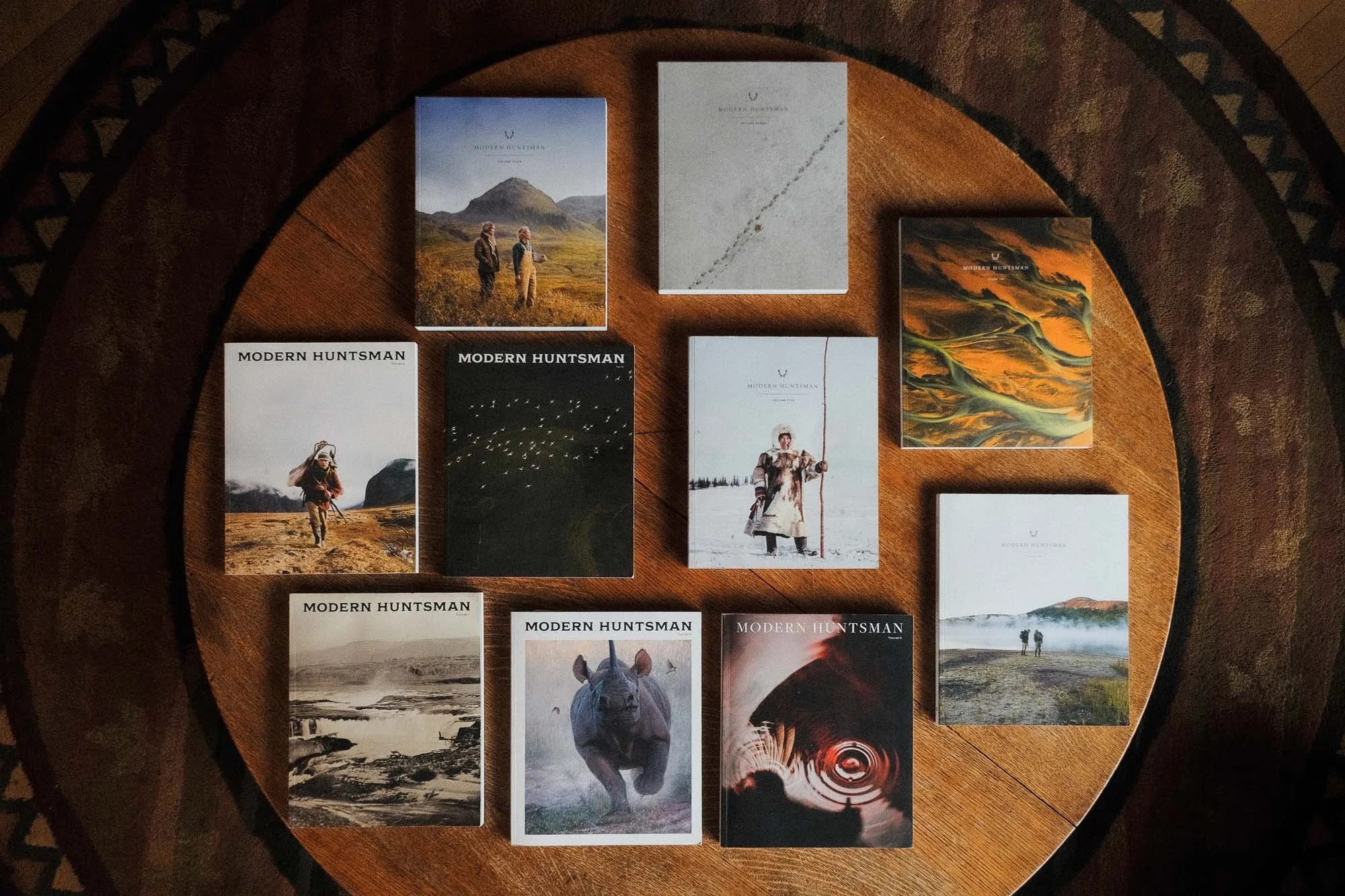
Starting a business sounds fun until you eventually figure out how much shit shoveling you have to do. “You’re either right-brained or left-brained,” they used to say when we were kids, but they never talked about having to use both all of the time. I’ve found it quite difficult to switch between business mode and creative mode. Alas, my creativity often suffers a slow death by a thousand tiny administrative, financial and management cuts that come with being an entrepreneur.
When I do find the time to write, which is not enough, it is often rushed, imposed upon, or is a 4th-quarter scramble that ends up working not because I had an inspired plan, but because I’ve pulled it off in the final seconds plenty of times before.
Even then, when I would sit down to write on the computer, I often would find myself thinking about whether I had the photo from such and such place. I’d start a fruitless search across multiple hard drives and Lightroom catalogs, and twenty minutes would lapse along with my focus. An email, a Slack message, or a reminder would sap a little more. Such lapses in motivation can strike fear into even the most well-intentioned and practiced of writers.
But this year, in a birthday surprise from my fiancée that will forever live in the halls of infamy, I was gifted a Hemingwrite: a sexy, green-and-steel hunk of a smart typewriter that removed all those distractions.
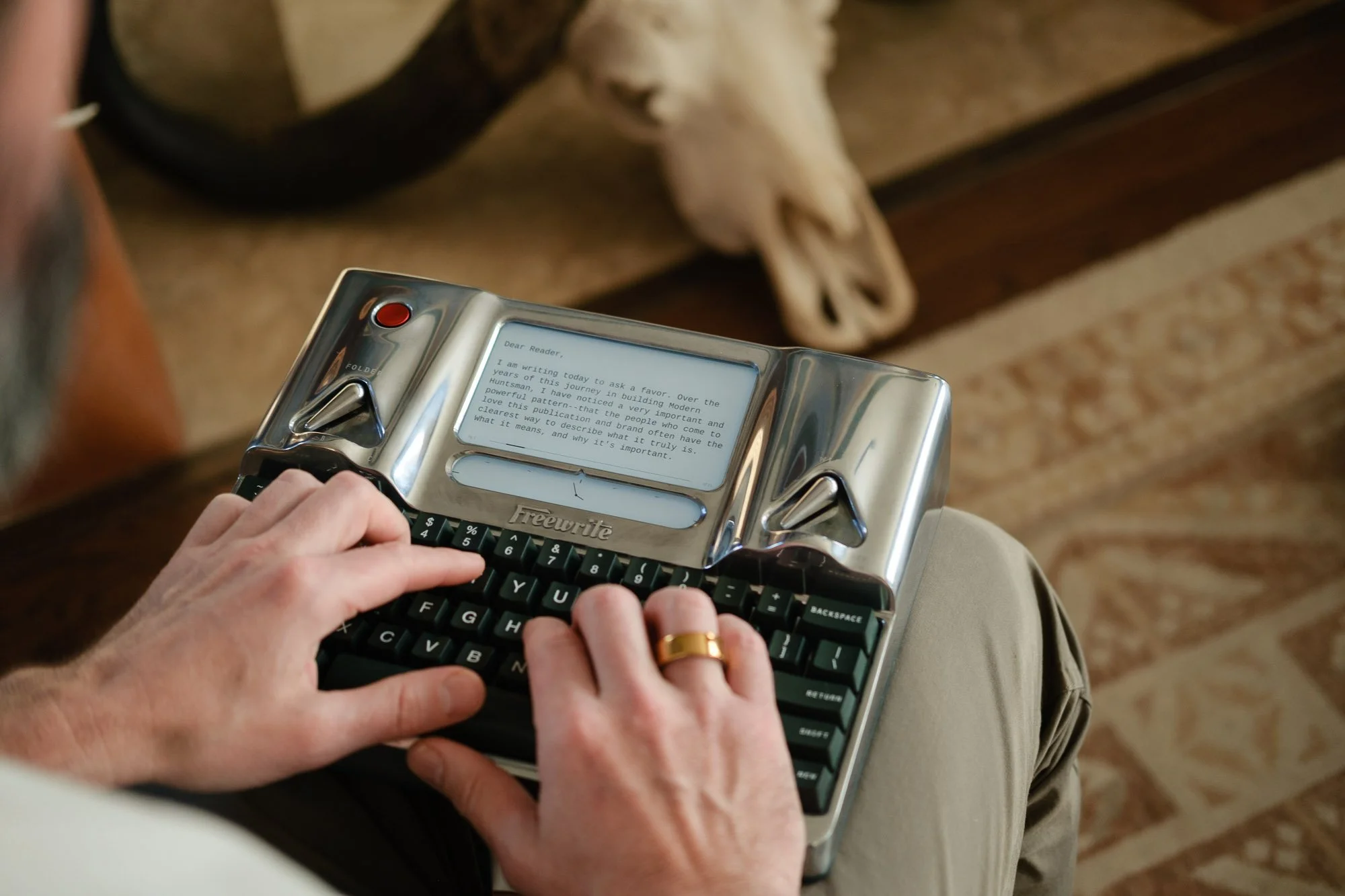
Admittedly, I am hard to buy gifts for. I had my eye on the Hemingwrite for quite some time, but wasn't sure I would use it. As any good partner would do, she paid attention and bought it for me. And it has changed my life.
Things are different now. I write for fun and to watch the word counter go up. I draft, since you can't really edit, and worry about making it perfect later. I'm setting small goals, 500 words at a time, and looking forward to the experience of using it. Most importantly, I feel like a writer again, which to those who strive for it, is one of the best feelings in the world.
What makes it even more unique is the Hemingway style that Freewrite—the company that designed and sells the product—managed to imbue into this device. The Hemingway name represents a free-spirited, adventurous allure of traveling abroad enough to know the customs and quirks of faraway, meaningful places. Many of us have dreamed of living up to that name, to that reputation, to that life of adventure. To be clear, I do not expect to live up to any of that, but every bird has to jump out of the nest to learn they can't fly yet. This thing, this wonderful, beautiful, well-made thing, is helping me strengthen my wings and makes me feel like I can.
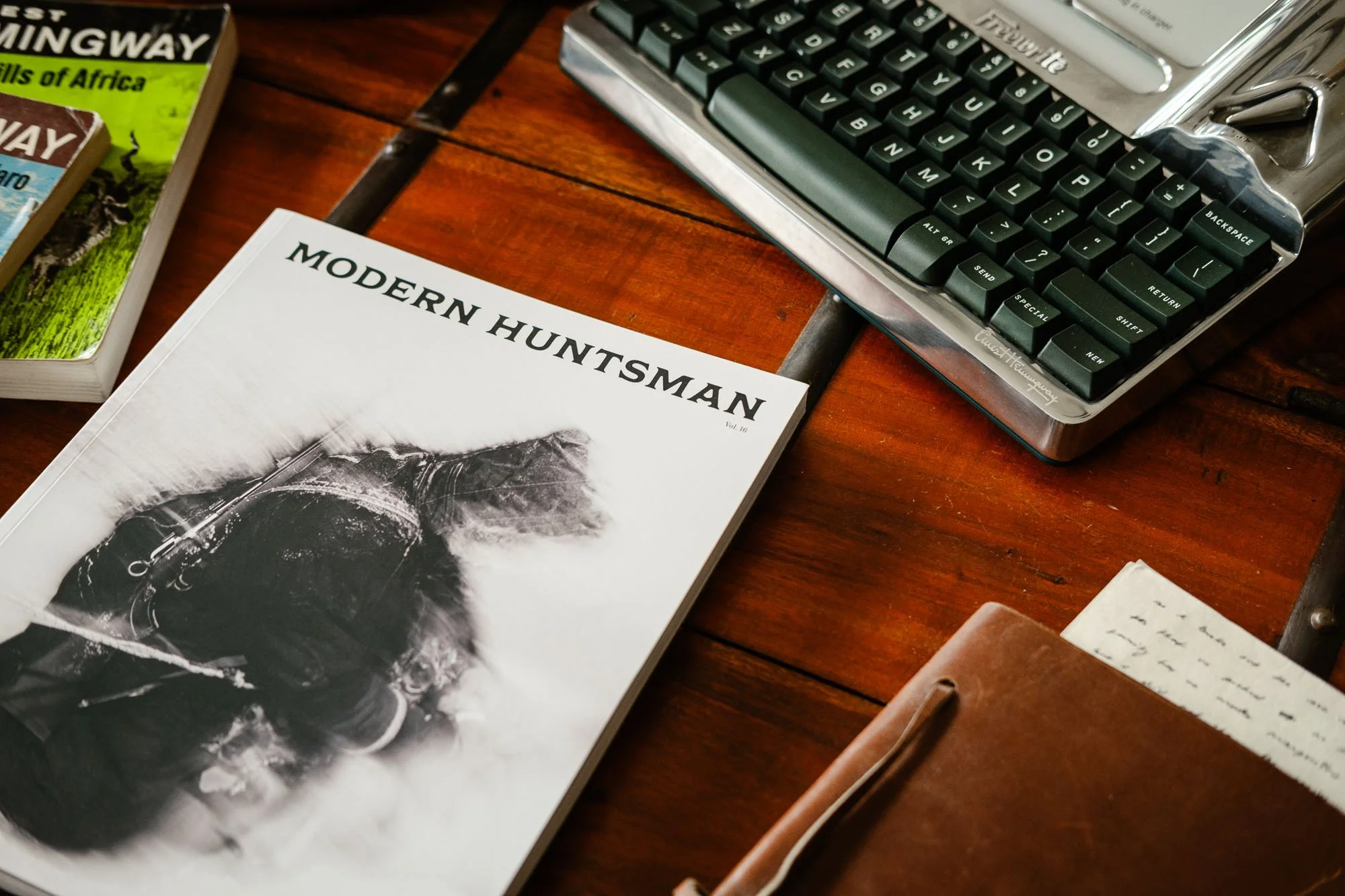
We just finished our 16th volume of Modern Huntsman, and while I absolutely love the creative challenge of pulling each one of these issues together, inevitably, I put my writing off to the very end. While I haven't ever held the press run up, I've damn sure stressed out our editorial team getting it turned in at the very last minute. This issue was different, and it was the Hemingwrite to the rescue.
My new ritual has been to sit in our library with this soulful smart typewriter on my lap, and with classical music in the headphones and a view of my favorite books, just write and not look back. I wrote my editor's letter in one pass and, afterward, drafts of two other small pieces in short order. More importantly, instead of feeling stressed, I felt inspired. I look forward to the time. But most importantly, I'm writing more.
Coincidentally, this piece is the first thing I've written for someone other than myself or Modern Huntsman in over five years. And to be writing it on a Hemingway edition typewriter for the Hemingway LTD Company? Come on, that is something that even young Uncle Safari couldn't have come up with.
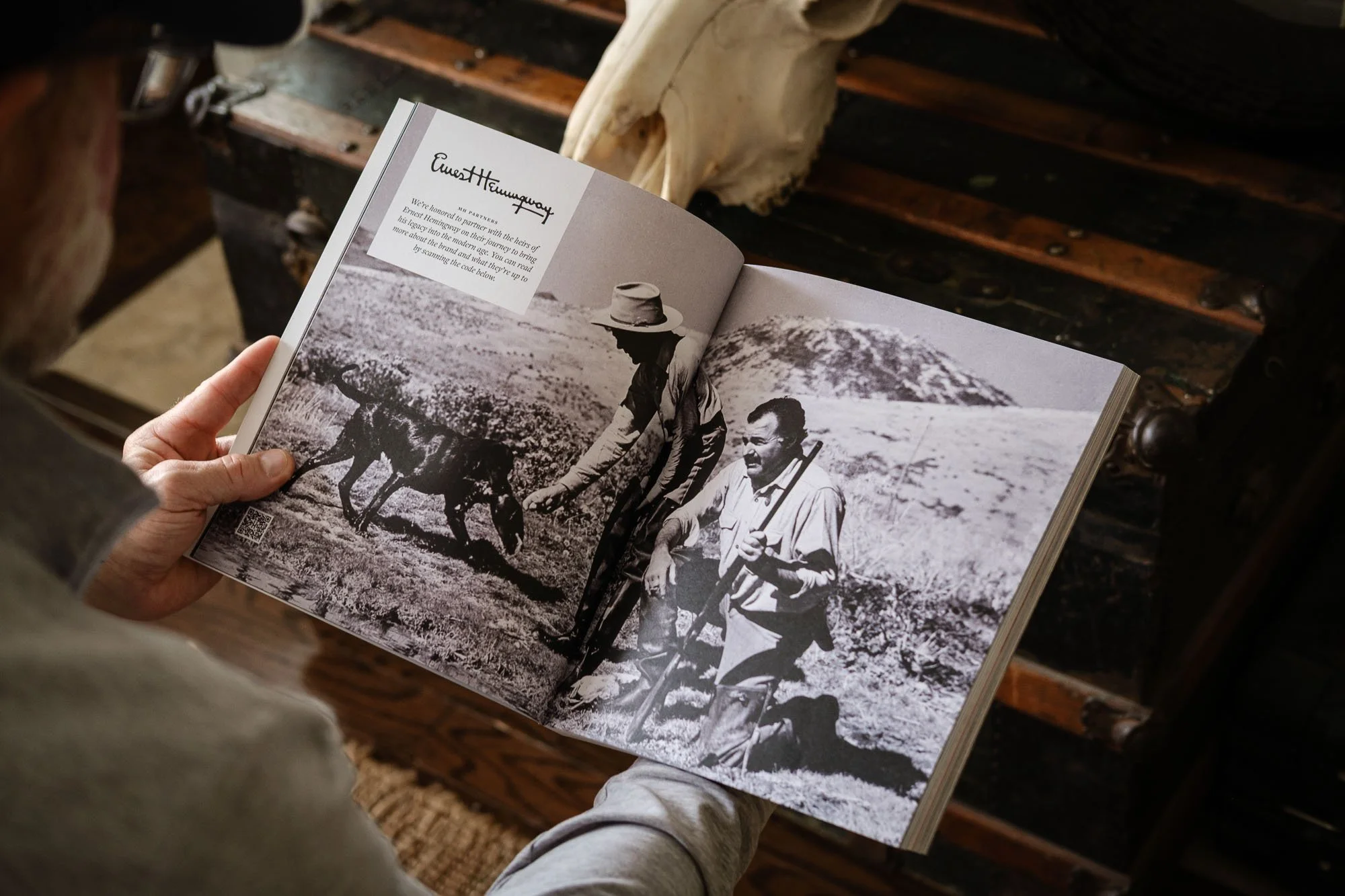
Yet, here we are. In our current issue, Volume 16, you'll find a classic photo of Ernest and Gary Cooper on a duck hunt in the mountains of Idaho as a double-page spread that heralds our partnership. I could not be prouder to have the support and collaboration of the heirs of Ernest Hemingway on the road ahead for Modern Huntsman. More to come on that front, but for now, I'd encourage you to subscribe and see the work for yourself. If you enjoy Hemingway, I think you'll find it to your liking.
For now, I’ll be sitting in my library with the Hemingwrite on my lap, trying not to bleed too much as I write the next chapter for myself and for Modern Huntsman.
I hope to share more of it with you soon.
Tyler Sharp
Editor in Chief
Modern Huntsman