
The Story That Says Everything Without Saying It
Celebrating the 99th Anniversary of Ernest Hemingway's Hills Like White Elephants
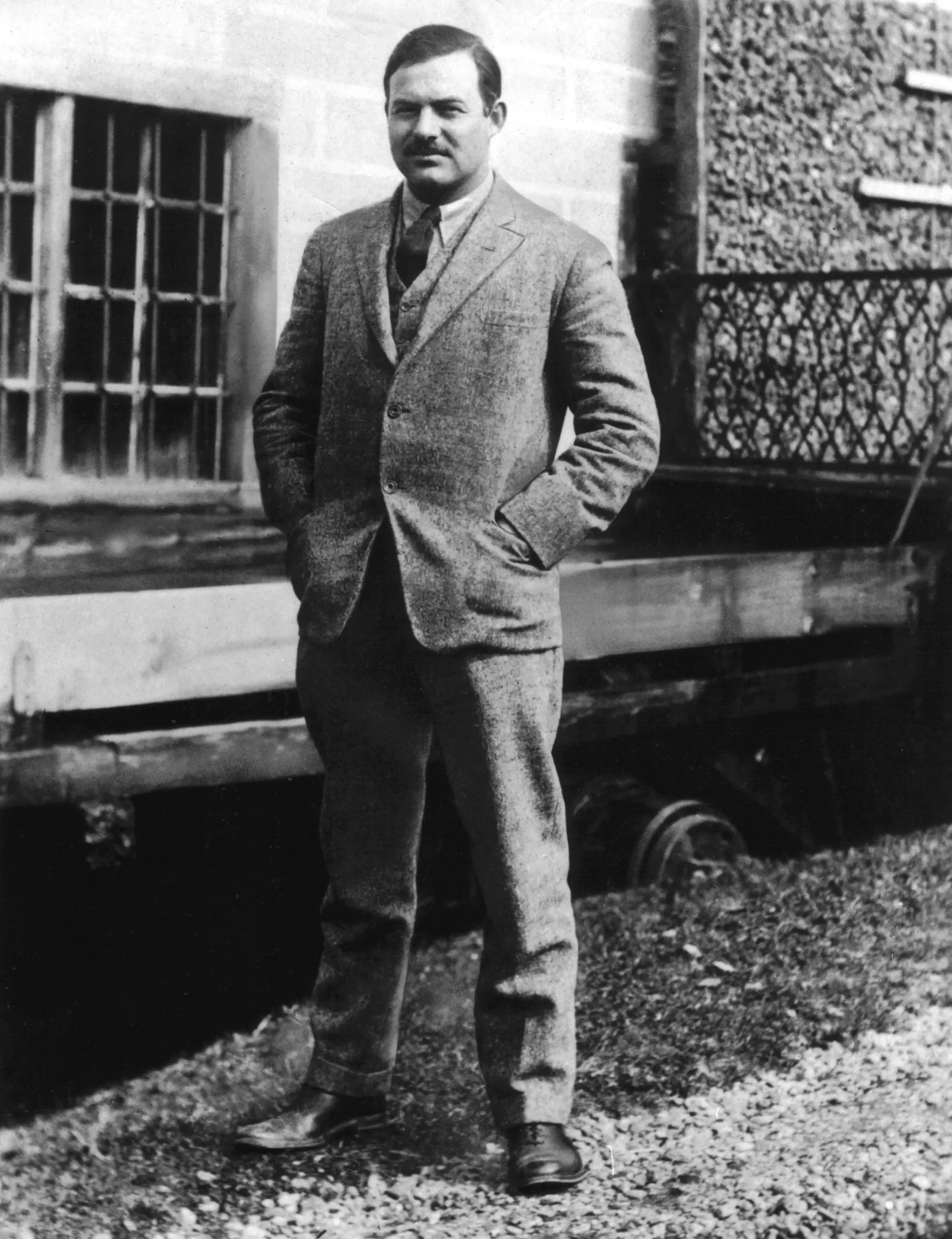
In just 1,400 words and 99 years, Ernest Hemingway's Hills Like White Elephants has accomplished what few works of fiction ever have. It has sparked countless debates, challenged generations of readers, and secured its place as one of the most studied and admired short stories in modern literature. First published in the August 1927 issue of Transition magazine before appearing later that year in Men Without Women, the story remains a masterclass in the power of what is left unsaid.
By the summer of 1927, Hemingway was emerging as one of the most exciting young writers of his generation. Fresh off the success of The Sun Also Rises, he was refining the distinctive style that would come to define his career. Living in Paris and frequently traveling through Spain, Hemingway drew upon the landscapes, railway stations, and conversations that surrounded him. Although he never identified a single real-life inspiration for Hills Like White Elephants, many scholars believe the story reflects the emotional complexities and changing relationships that defined the Lost Generation during the 1920s.
At first glance, very little appears to happen. An American man and a young woman, known simply as Jig, wait for a train at a station in Spain's Ebro Valley. They order drinks, exchange casual conversation, and discuss an unnamed "operation." Yet beneath that seemingly ordinary exchange lies one of the most emotionally charged conversations in American literature.
One of the story's most remarkable achievements is what Hemingway chooses not to say. Although the conversation centers on a decision that most readers interpret as an abortion, the word itself never appears. Instead, Hemingway allows the dialogue, pauses, repetition, and subtle shifts in tone to reveal the emotional conflict between the two characters. It was a bold literary approach that challenged readers to participate in the story rather than simply observe it.
That technique became one of the defining examples of Hemingway's Iceberg Theory, his belief that only a small portion of a story should appear on the surface while its deeper meaning remains hidden beneath. Rather than explaining his characters' emotions or motivations, Hemingway trusted readers to uncover them on their own. In doing so, he helped redefine the modern short story and influenced generations of writers who followed.
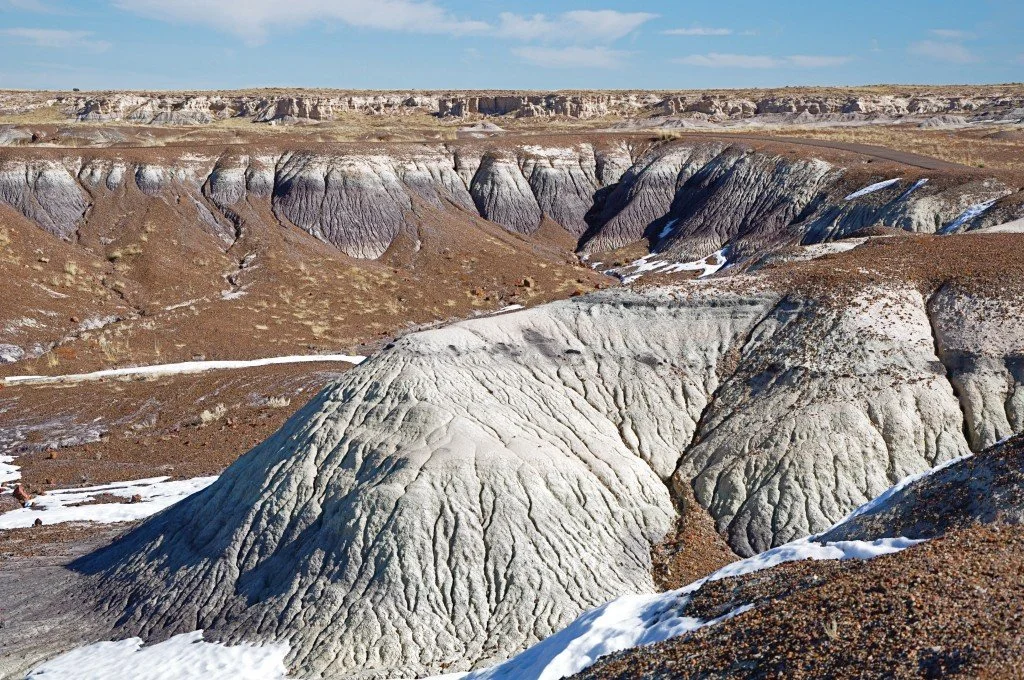
The story's title has fascinated readers almost as much as the dialogue itself. As Jig gazes across the valley, she remarks that the distant hills look like white elephants. The phrase traditionally refers to something rare, valuable, or burdensome, depending upon the context. Hemingway never explains exactly what Jig means, leaving readers to decide whether the hills represent hope, sacrifice, motherhood, regret, or something entirely different. Like the story itself, the title invites interpretation rather than certainty.
Even the setting quietly reinforces the story's emotional tension. On one side of the railway station lies a dry, barren landscape. On the other stretches fertile countryside nourished by the Ebro River. Many literary scholars have interpreted the contrasting landscapes as reflecting the life-changing decision facing Jig and the uncertain future that lies ahead. Hemingway never points readers toward that conclusion, but instead leaves the symbolism waiting to be discovered.
Today, Hills Like White Elephants is among Hemingway's most frequently taught works and is widely regarded as one of the finest short stories ever written. It continues to appear in Advanced Placement Literature courses, university classrooms, and creative writing programs, where students and aspiring authors study its dialogue, structure, and remarkable economy of language. Few stories have demonstrated so convincingly that restraint can be every bit as powerful as explanation.
The story also occupies an important place within Men Without Women, the landmark 1927 collection that includes other Hemingway classics such as "The Killers," "In Another Country," and "Ten Indians." Together, these stories showcased a writer whose concise prose and emotional precision were changing the course of modern American literature.
Great literature rarely provides easy answers. Instead, it asks questions that continue to resonate long after the final page. Ninety-nine years after its publication, Hills Like White Elephants remains a testament to Hemingway's extraordinary ability to say so much by saying so little. As the story approaches its centennial next year, its quiet conversation at a lonely railway station in Spain continues to echo across generations, reminding us that Hemingway's simplest stories often leave the deepest impression.