
74 Years of The Old Man and the Sea
Why Ernest Hemingway's Masterwork Still Resonates
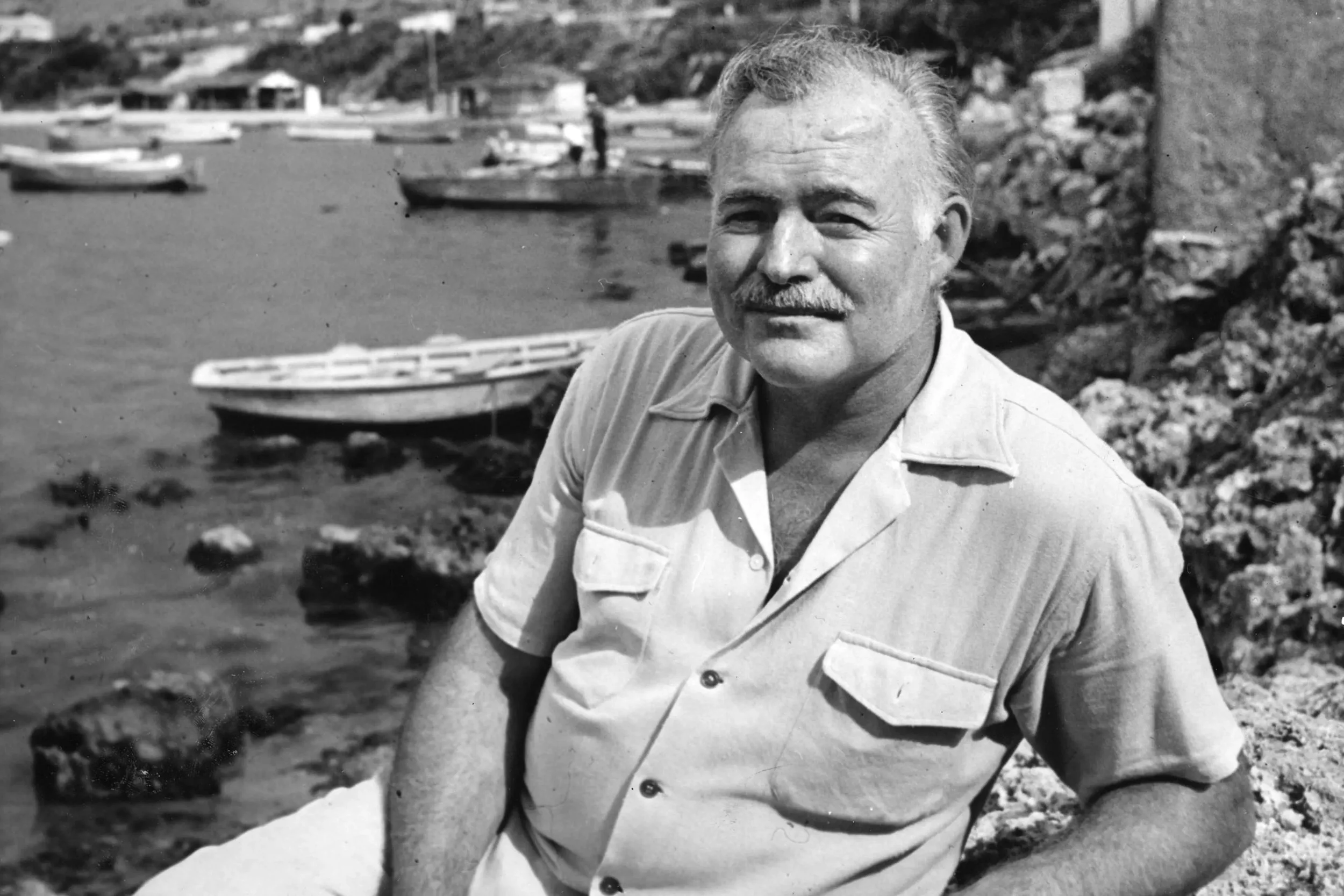
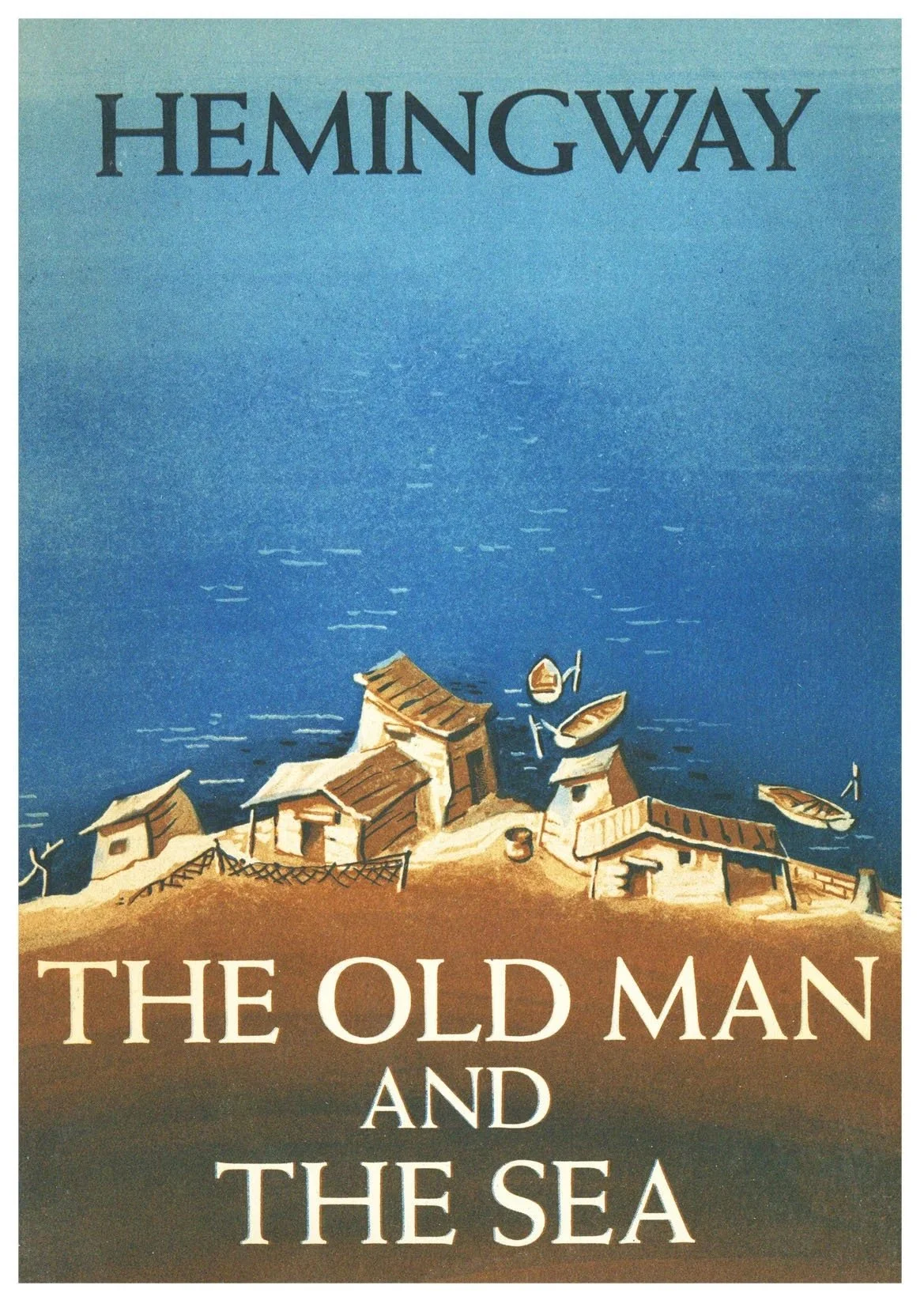
Seventy-four years ago, on September 8, 1952, Charles Scribner’s Sons published Ernest Hemingway’s The Old Man and the Sea, a deceptively simple story of an aging Cuban fisherman and his epic struggle with a giant marlin that would become one of the most celebrated and enduring works in American literature.
But the remarkable story of its publication actually began one week earlier.
On September 1, 1952, Life magazine published The Old Man and the Sea in its entirety. It was an extraordinary publishing event. The approximately 27,000-word work appeared as a special 20-page feature, marking the first time Lifehad published the complete text of a book.
The idea had been encouraged by Hemingway’s friend, Broadway producer Leland Hayward, who had read the manuscript while visiting Hemingway at his home in Cuba and believed the story deserved an enormous audience. Hayward helped bring the manuscript to the attention of Life.
Hemingway reportedly received more than $30,000 from the magazine for the publication rights, but there was another reason the arrangement appealed to him. Publishing the complete story in Life meant that millions of people, including those who might not be able to afford the hardcover book, would have an opportunity to read it.
The response was staggering.
More than 5.5 million copies of the September 1 issue of Life were sold within 48 hours. Suddenly, millions of readers across America were experiencing Santiago’s journey at almost exactly the same time.
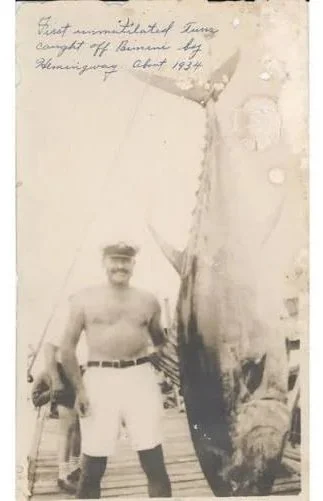
Then, on September 8, the Scribner book edition arrived.
Advance sales exceeded 50,000 copies, and the book was also selected by the Book-of-the-Month Club, helping bring Hemingway’s story into homes throughout the country. What had begun as the story of one old fisherman alone at sea had quickly become a publishing phenomenon.
Its impact would soon extend far beyond sales.
In 1953, The Old Man and the Sea received the Pulitzer Prize for Fiction, Hemingway’s first and only Pulitzer Prize.
The following year, Hemingway received the 1954 Nobel Prize in Literature. In announcing the award, the Swedish Academy specifically cited his “mastery of the art of narrative, most recently demonstrated in The Old Man and the Sea,” along with the influence he had exerted on contemporary style.
The Academy’s presentation of the Nobel went even further, describing The Old Man and the Sea as a masterpiece and recognizing the story’s exploration of endurance, struggle and moral victory even in the face of material defeat.
The book’s appeal was international almost immediately. By the beginning of 1953, only months after its American publication, The Old Man and the Sea had already appeared in nine languages. Within five years, that number had grown to at least 26, and translations continued to bring Santiago and his struggle to readers around the world.
Its influence soon reached beyond the printed page.
In 1958, Warner Bros. brought The Old Man and the Sea to the screen in a major motion picture directed by John Sturges and starring Spencer Tracy as Santiago. Tracy received an Academy Award nomination for Best Actor, James Wong Howe was nominated for his color cinematography, and Dimitri Tiomkin won the Academy Award for the film’s musical score.
More than three decades later, Anthony Quinn portrayed Santiago in a 1990 television adaptation.
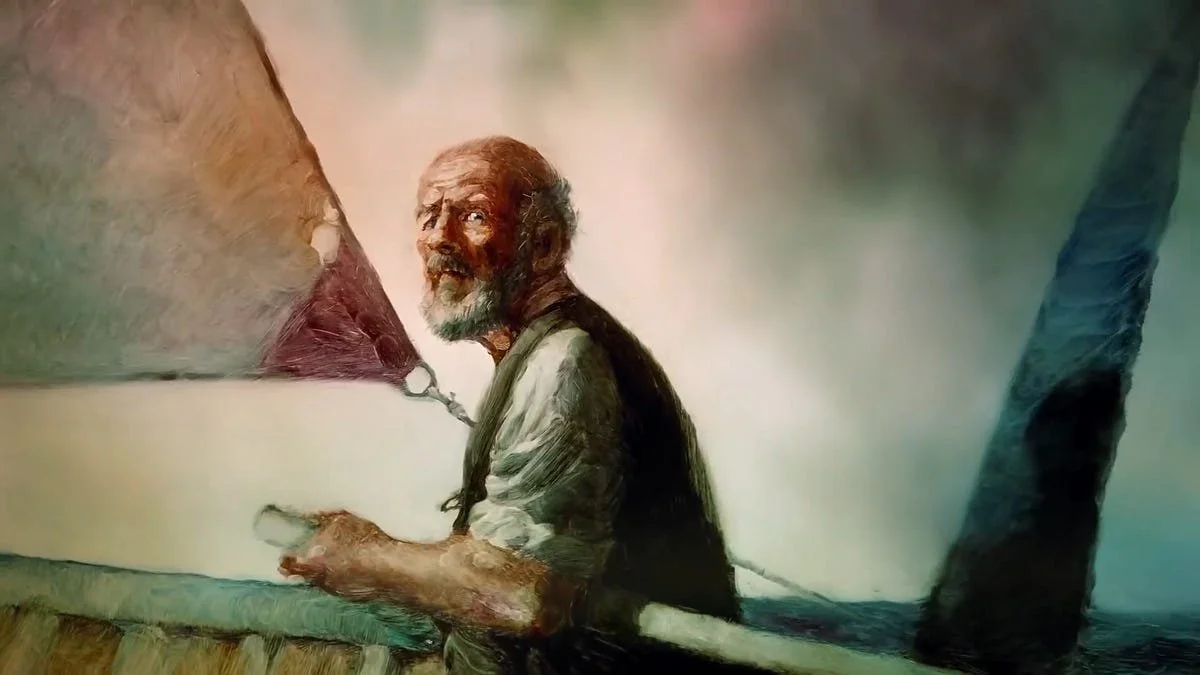
Then, in 1999, Russian animator Aleksandr Petrov offered a dramatically different interpretation of Hemingway’s story. Created using an intricate paint-on-glass animation technique, Petrov’s The Old Man and the Sea won the Academy Award for Best Animated Short Film, demonstrating how Hemingway’s deceptively spare story could continue to inspire artists working in entirely different forms.
Yet perhaps the greatest measure of The Old Man and the Sea is not found in sales figures, prizes, translations or film adaptations. It is found in the remarkable staying power of Santiago himself.
Hemingway created a character whose struggle reaches far beyond the waters off Cuba. Santiago begins the story having gone 84 days without catching a fish, yet he returns to the sea. When he finally encounters the great marlin, the battle becomes about far more than bringing home a catch. It becomes a test of skill, patience, pride, respect and, above all, endurance.
Even Santiago’s relationship with the marlin complicates the idea of victory. He admires the fish, respects its strength and recognizes something of himself in the magnificent creature at the other end of his line. When the sharks ultimately take nearly everything he has fought so hard to bring home, Hemingway leaves the reader to consider what it truly means to win or lose.
At the heart of that idea is one of the most memorable lines Hemingway ever wrote:
“A man can be destroyed but not defeated.”
Those words have endured because Santiago’s story is ultimately not about whether he returns with the marlin. It is about the dignity with which he meets the struggle.
That may be the lasting achievement of The Old Man and the Sea. Hemingway took an old fisherman, a small skiff, a great fish and an immense stretch of open water and created something universal. Readers from different countries, cultures and generations have been able to see something of their own struggles in Santiago’s journey.
The world has changed enormously since readers first followed him out into the Gulf Stream. Santiago has not.
He still reminds us that there is dignity in the attempt, honor in meeting a worthy challenge and meaning in continuing on when the outcome is no longer certain.
More than seven decades later, the old man’s struggle still belongs to all of us.