
Under the Spanish Sun
Hemingway, the bullring and the world at the heart of The Sun Also Rises
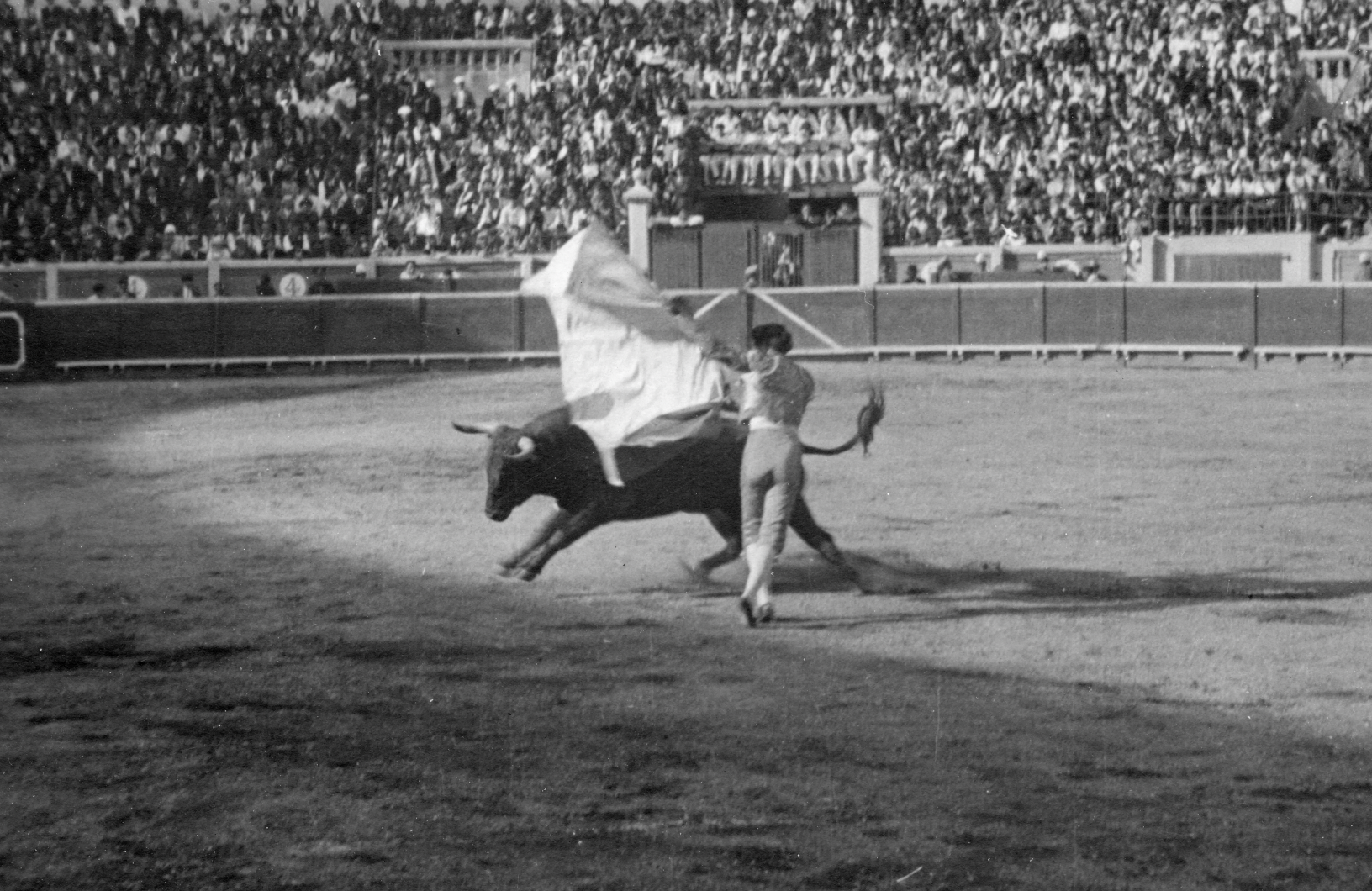
Bullfighting is woven deeply into the world of Ernest Hemingway’s The Sun Also Rises. When Jake Barnes, Lady Brett Ashley and their companions arrive in Pamplona for the Festival of San Fermín, the bullring becomes far more than a backdrop. It is a place where Hemingway explores some of the ideas at the center of the novel: courage, authenticity, passion, control and how people behave in the presence of danger.
The world Hemingway described came from firsthand experience.
He first attended San Fermín in 1923 with his wife, Hadley Richardson, and returned the following year. Hemingway’s fascination with bullfighting became so intense that during the 1924 festival he entered the ring himself during a novillada for novice and amateur bullfighters. His surviving correspondence documents the experience, including being tossed into the air by a bull.
But it was Hemingway’s return to Pamplona in the summer of 1925 that would provide the immediate inspiration for The Sun Also Rises. He traveled with a group of friends whose relationships, rivalries and romantic tensions would soon be transformed into fiction. The drinking, cafés, crowded streets, fiesta and bullfights of Pamplona became essential elements of the novel.
At the center of Hemingway’s treatment of bullfighting is Jake Barnes. Jake possesses what Hemingway calls afición: a genuine passion for and understanding of the bullfight. His knowledge earns the respect of Montoya, the hotelkeeper and fellow bullfighting enthusiast. It also distinguishes Jake from those who have come to Pamplona simply to participate in the spectacle.
Then there is Pedro Romero.
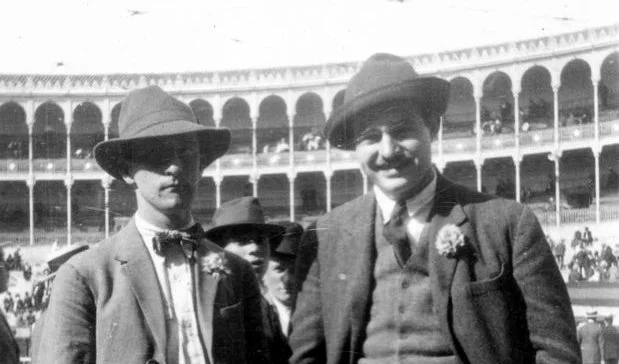
The young matador represents something strikingly different from the complicated relationships surrounding him. Jake, Brett, Robert Cohn and their companions struggle with jealousy, desire, resentment and disappointment. Romero enters the bullring with discipline and control. His actions are deliberate, his courage visible and his performance governed by traditions that Jake understands and admires.
That contrast helps give the bullfighting scenes their importance. Outside the arena, the characters often seem uncertain of themselves and one another. Inside it, Hemingway presents a world governed by rules, ritual and consequences. The danger is real, but so are the standards by which a matador meets it.
After the 1925 festival, Hemingway began turning his experiences into fiction, completing the first draft in roughly two months. When Scribner published The Sun Also Rises on October 22, 1926, the bullfights of Pamplona had become part of one of the defining novels of Hemingway’s career.
Hemingway would return to bullfighting repeatedly, most notably in Death in the Afternoon in 1932. But in The Sun Also Rises, the bullring first became something more than one of his great passions.
It became part of the language through which Hemingway told the story.