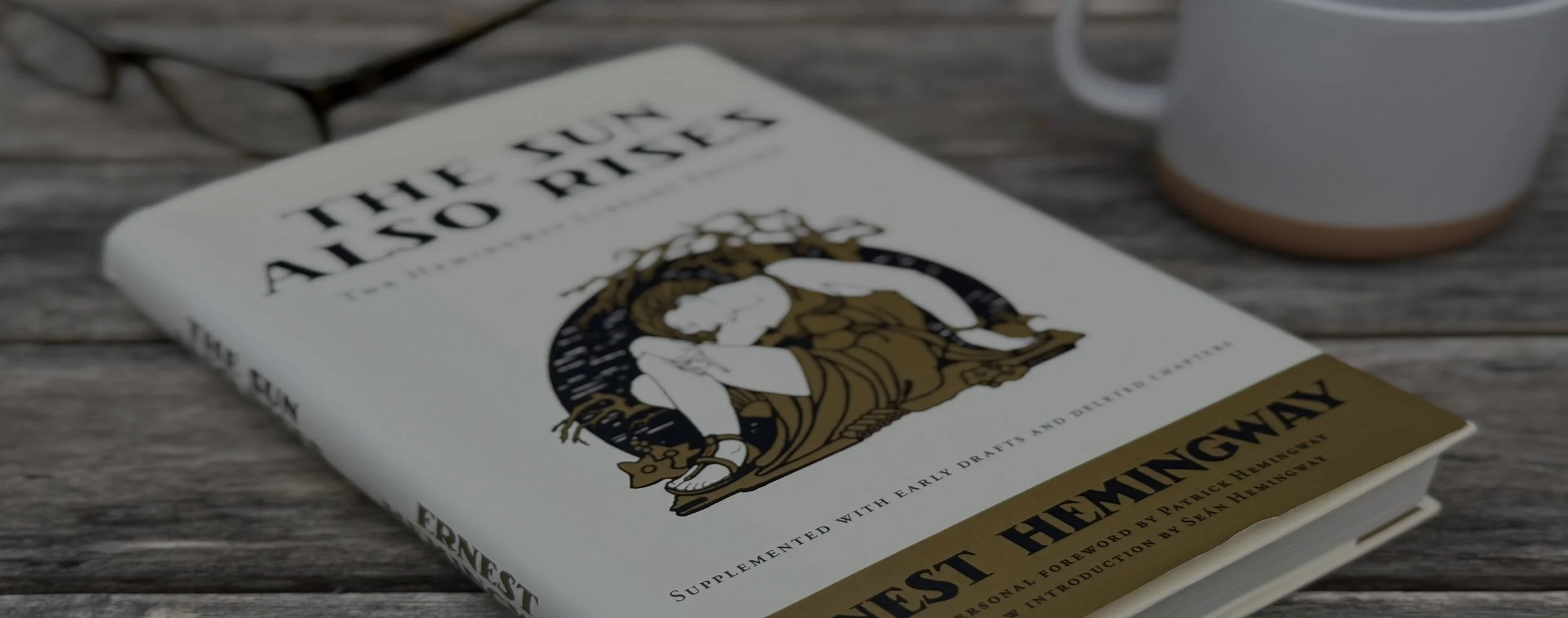

Celebrating 100 years of
The Sun ALSO Rises
the centennial
october 22, 2026
One hundred years ago Scribner published The Sun Also Rises for the first time. Twenty-six-year-old Ernest Hemingway had written the first draft in six weeks in the cafés of Montparnasse, surrounded by the real people who would become its characters.
This year, the Hemingway family marks that anniversary through the estate's continued work to bring Hemingway's writing to new readers. The centennial is not only a moment of retrospection, but a reminder that the novel's questions can still be explored.
For press inquiries about centennial coverage, contact: bettina@collective222.net

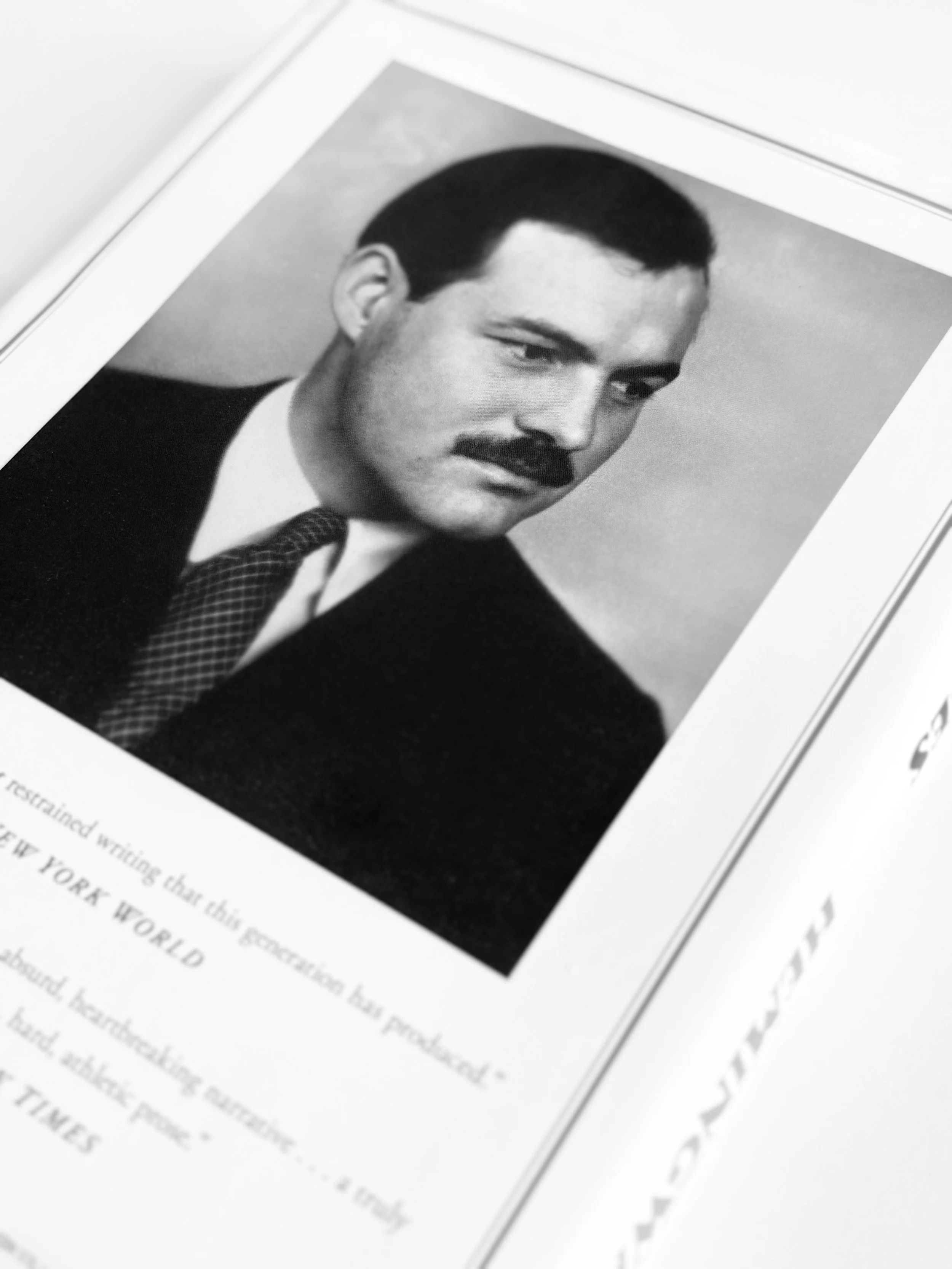

The Making of The Sun Also Rises
Exploring the little-known stories behind Ernest Hemingway’s breakthrough novel, The Sun Also Rises, as we celebrate its 100th anniversary.
Under the spanish sun
In the summer of 1925, Ernest Hemingway followed the fiesta of San Fermín into the bullring of Pamplona. and came home with the raw material for The Sun Also Rises. A century later, step into the world he found there.


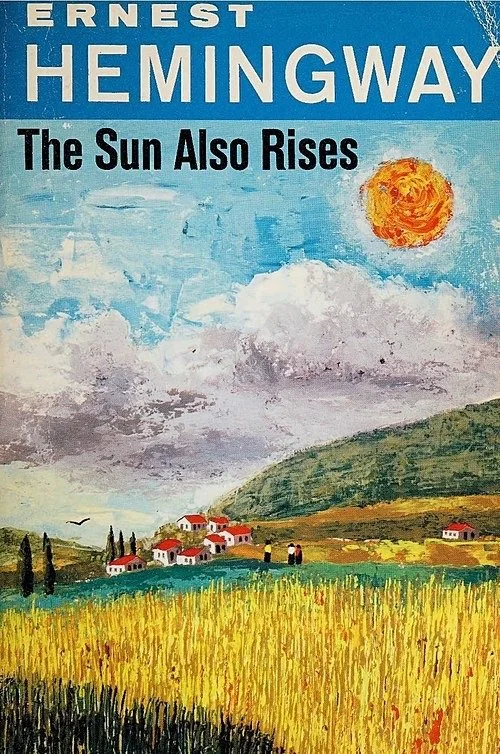
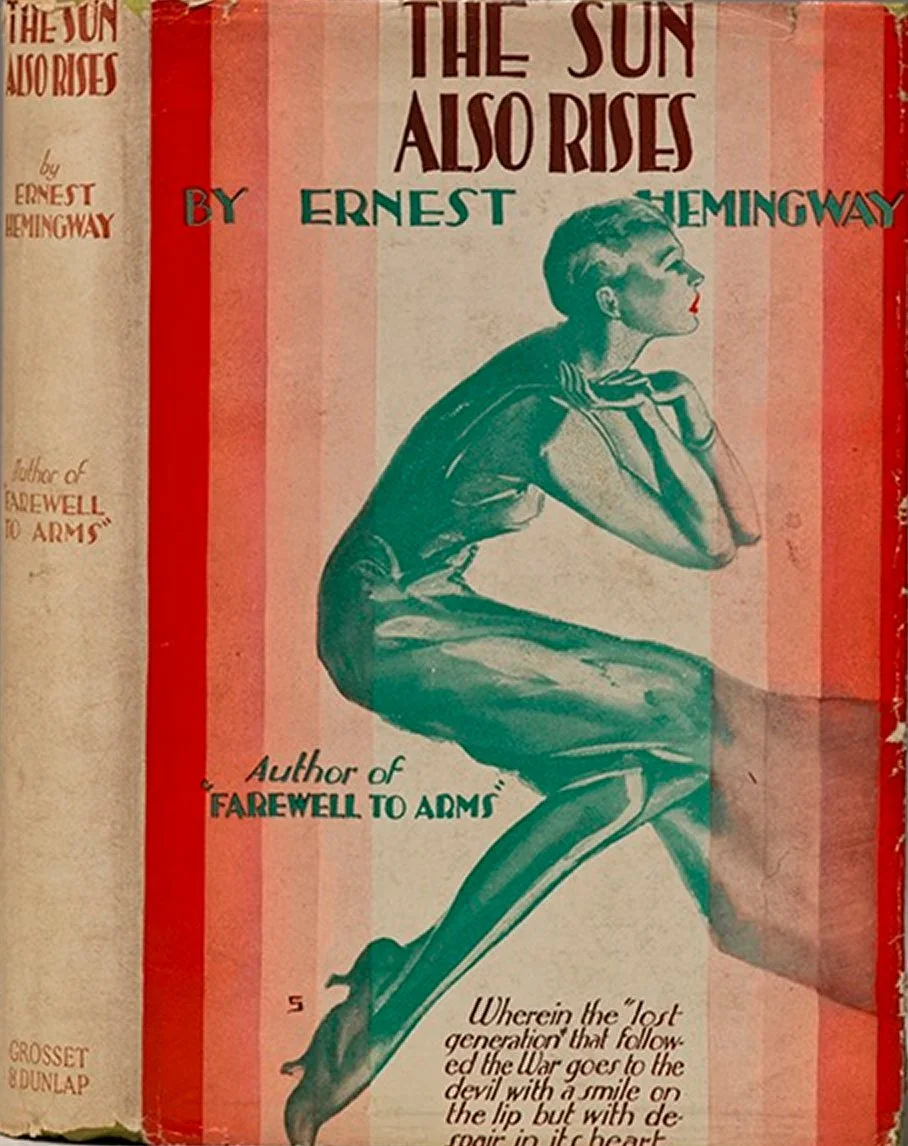
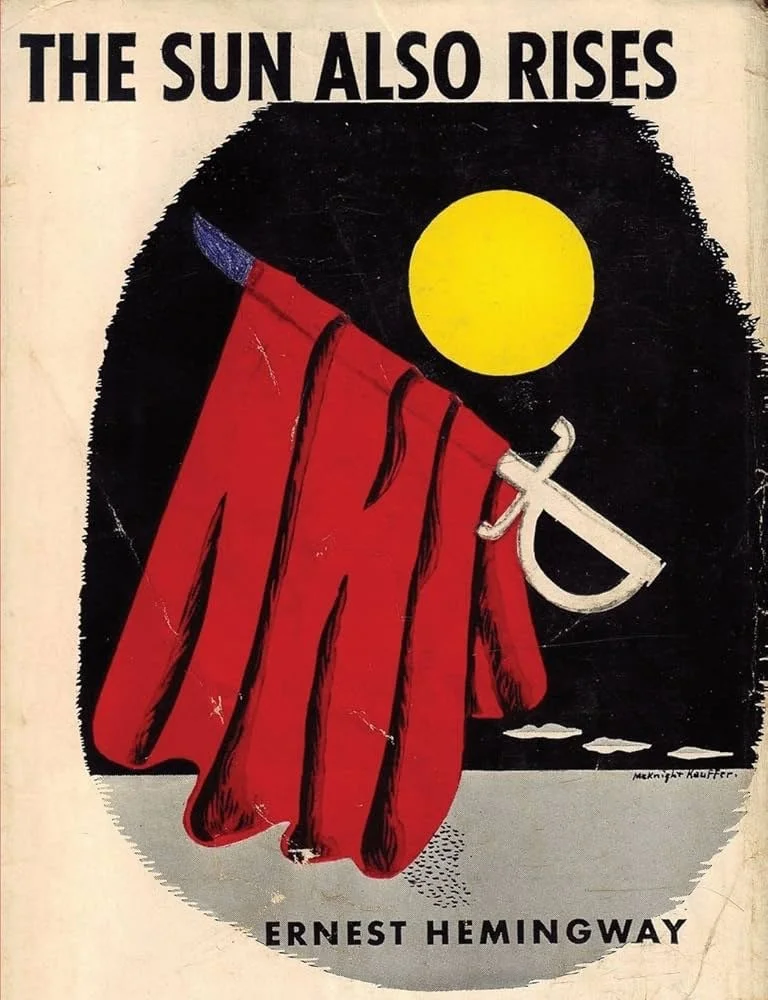
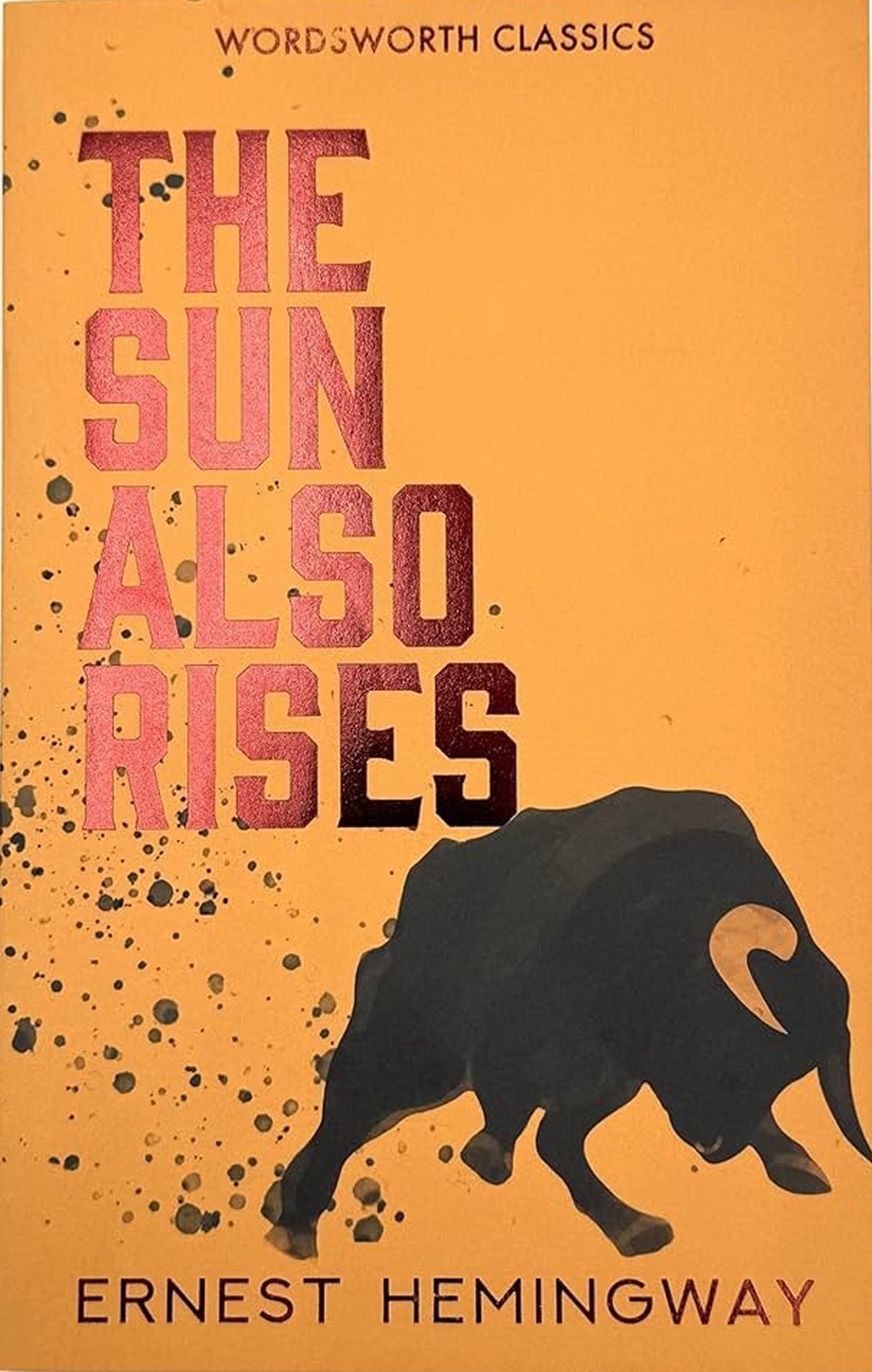
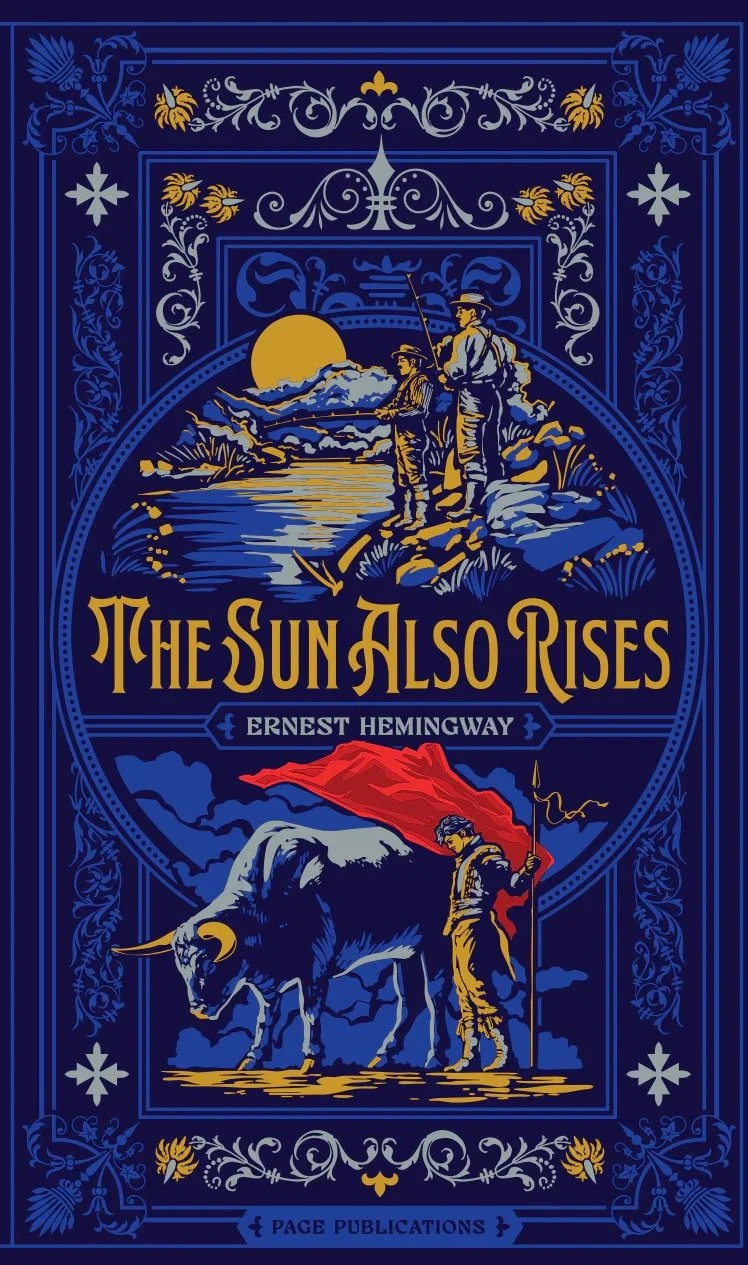
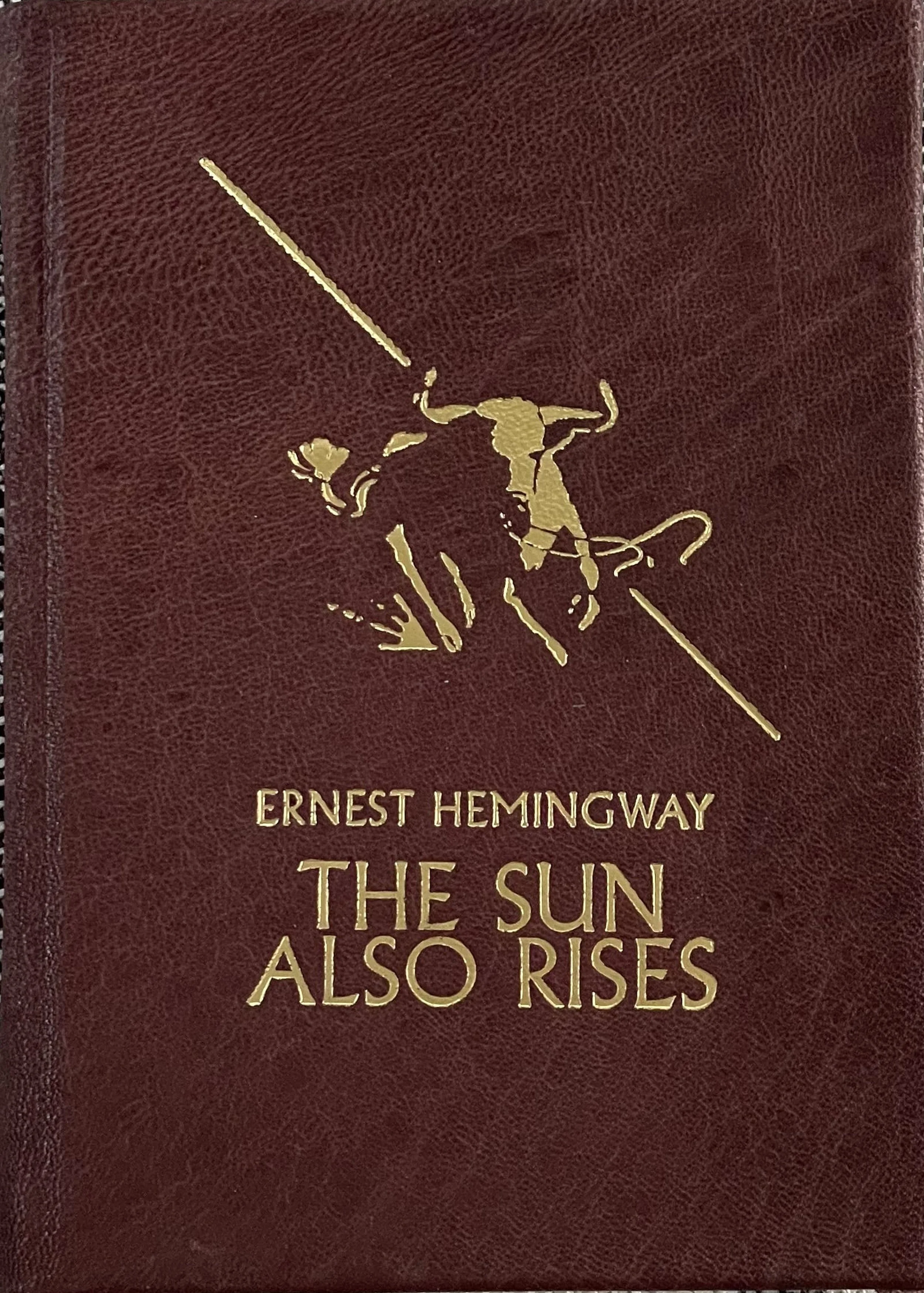
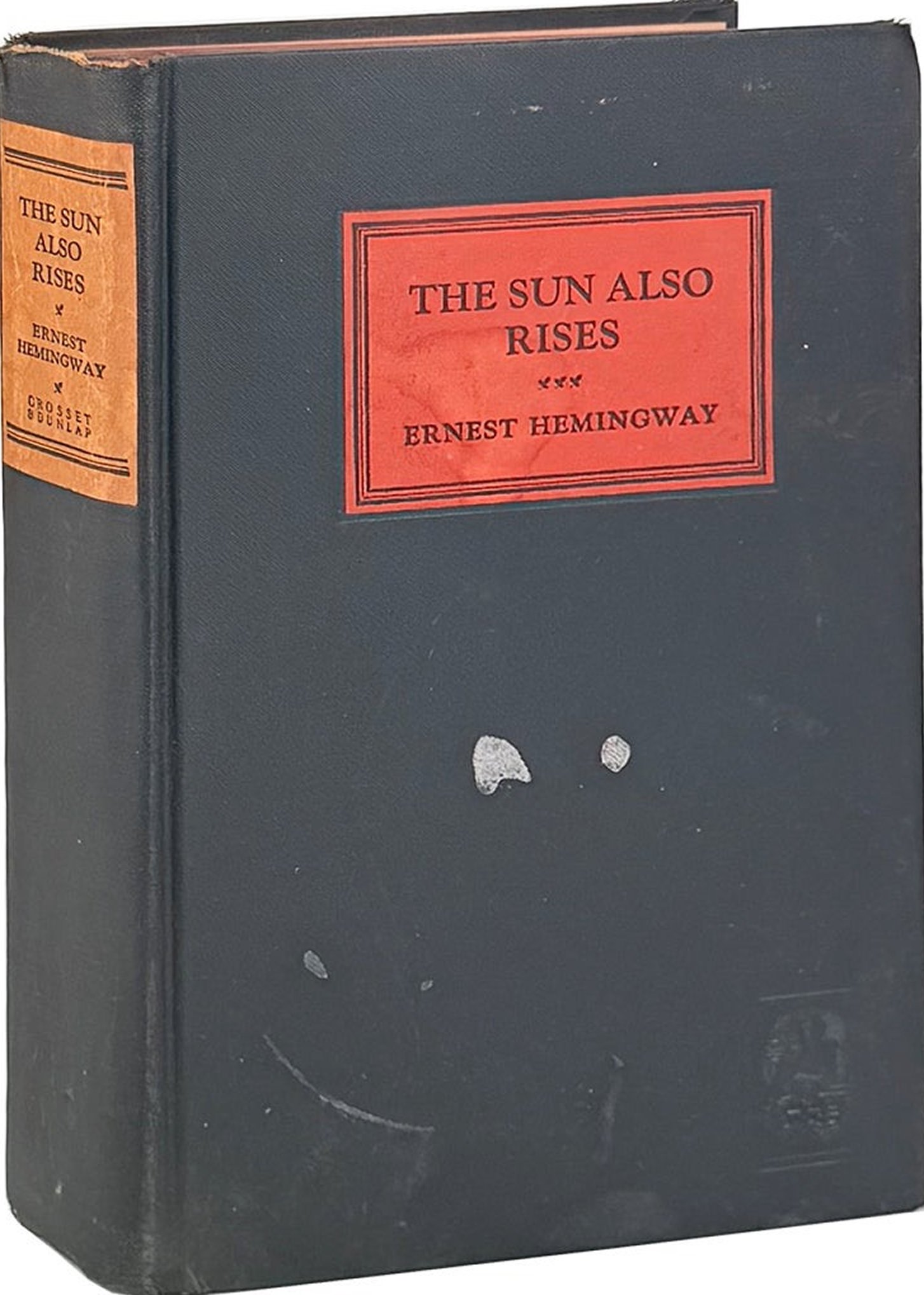
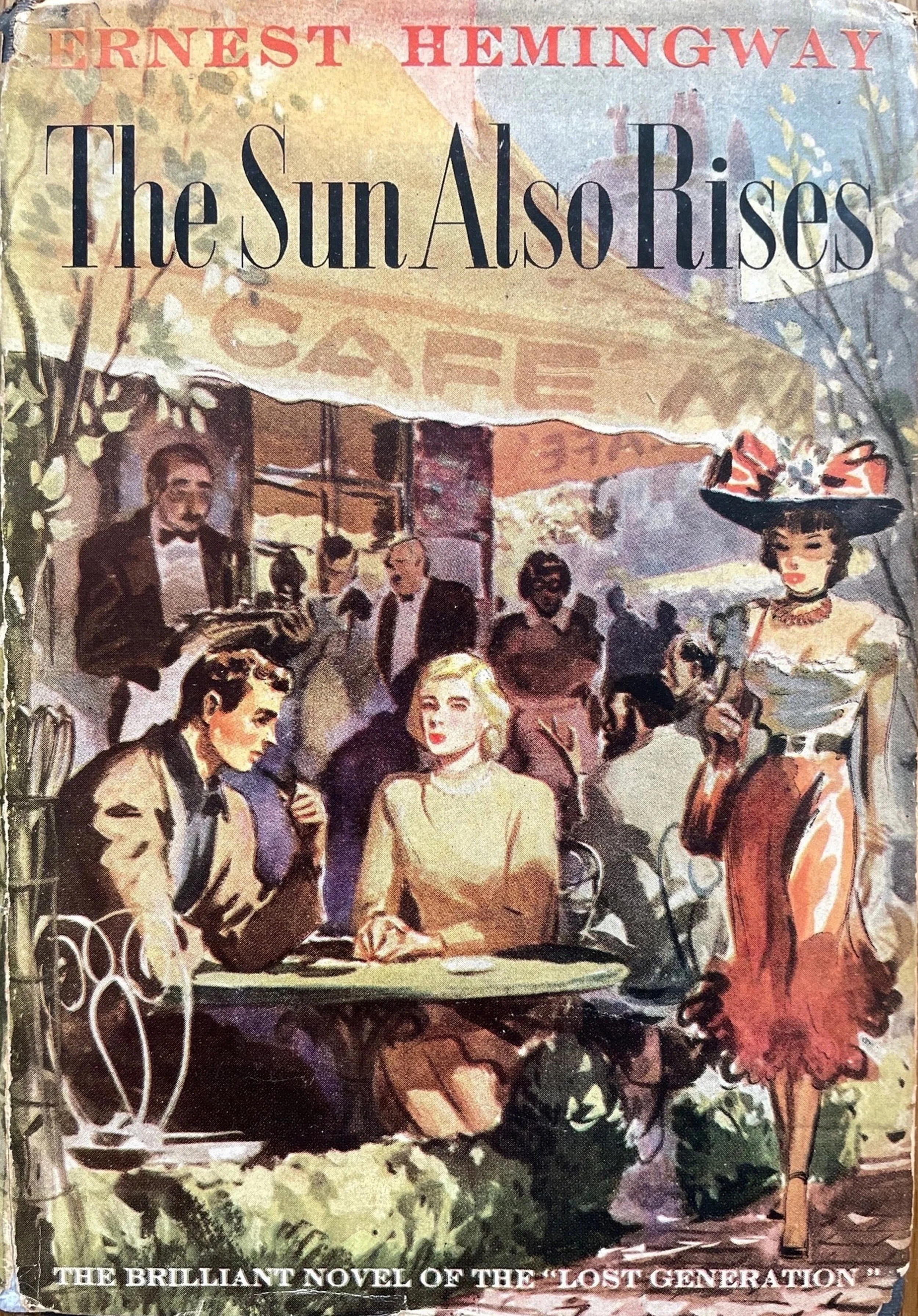
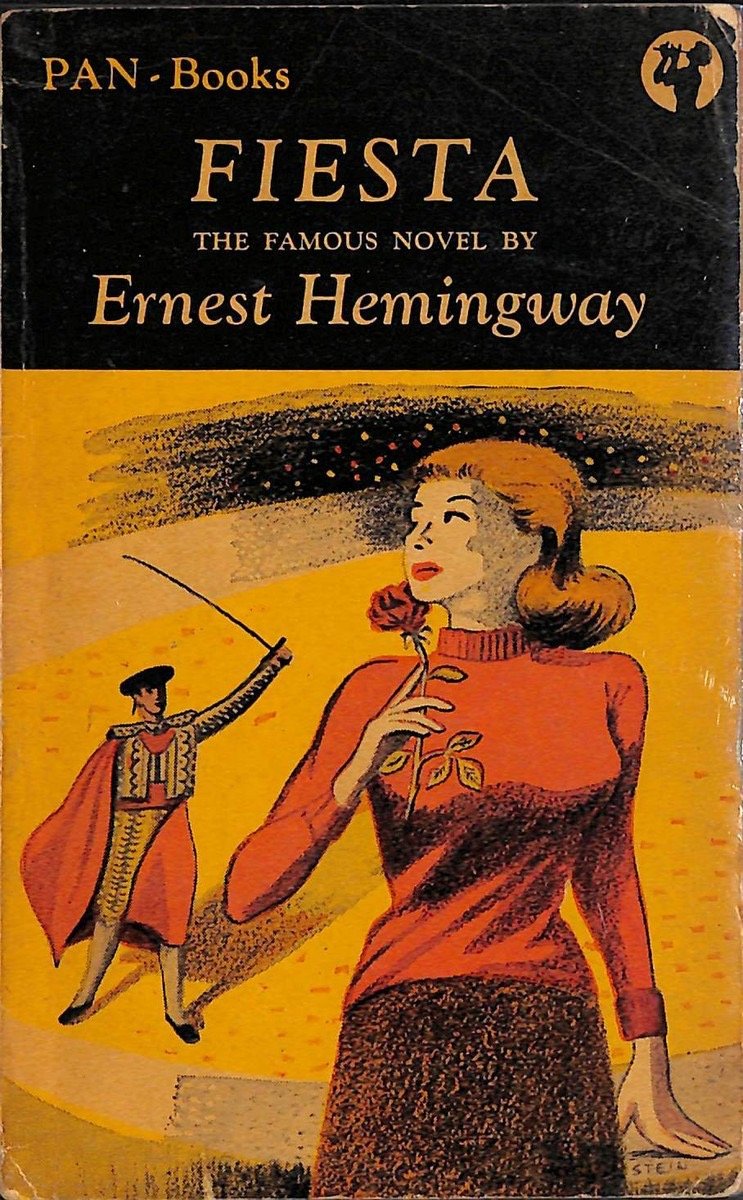
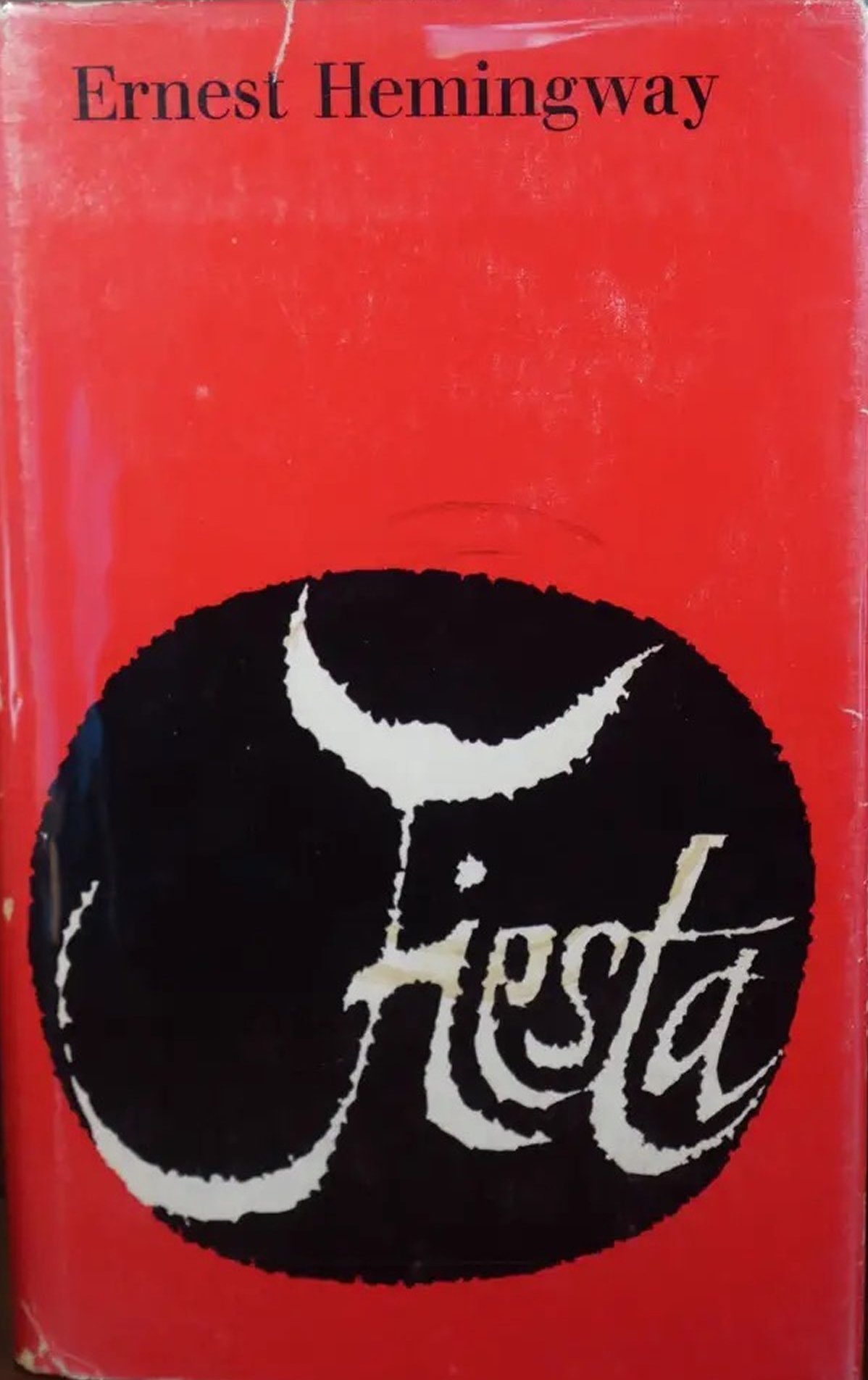
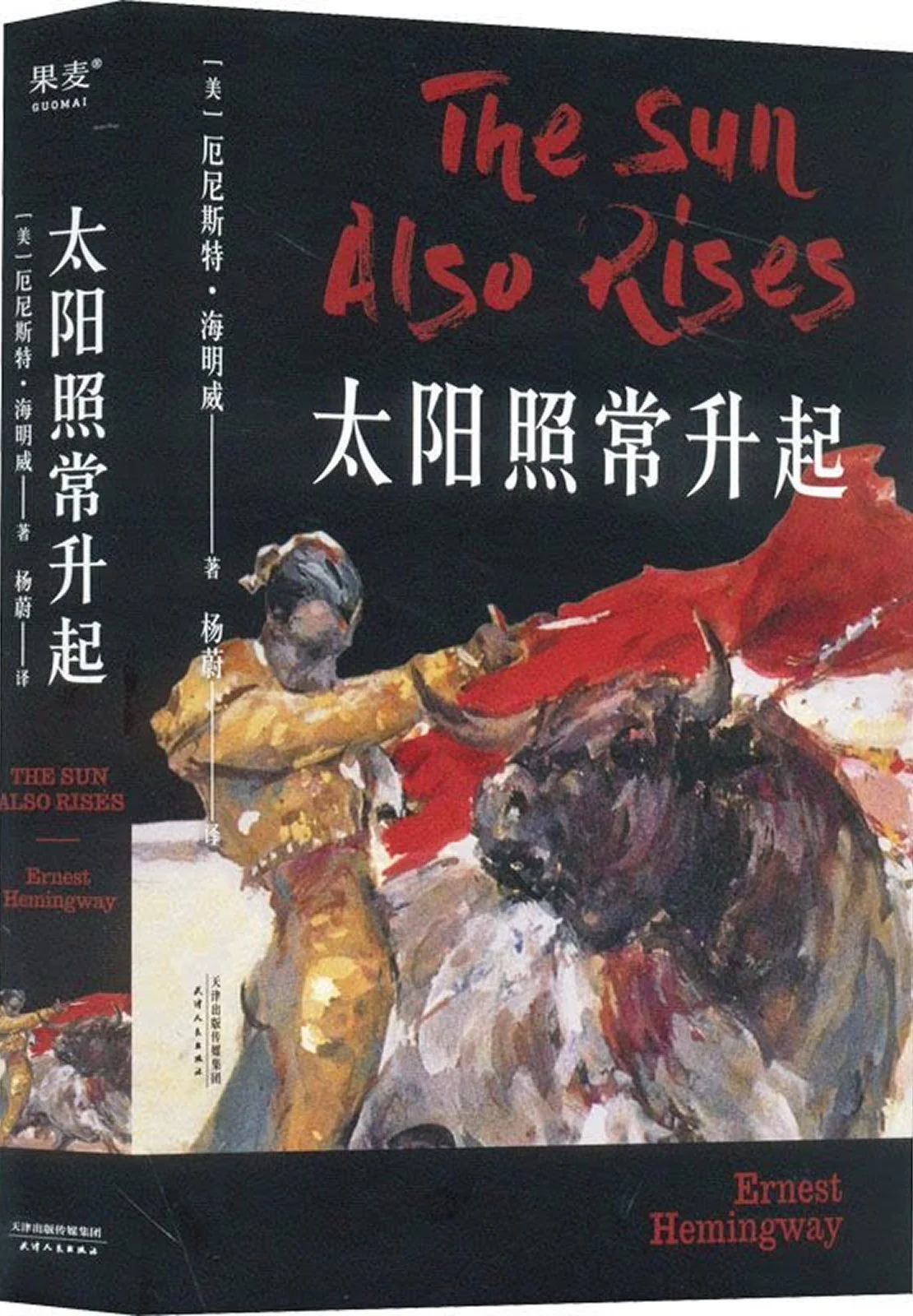
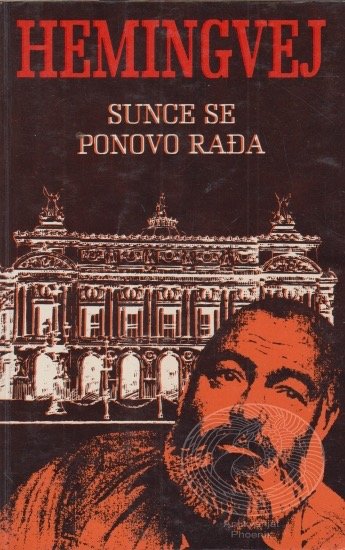
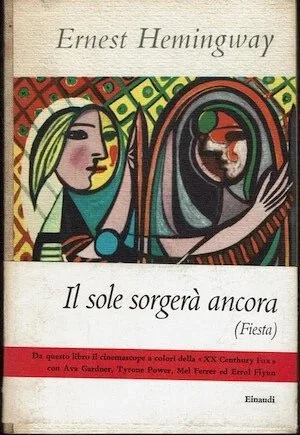
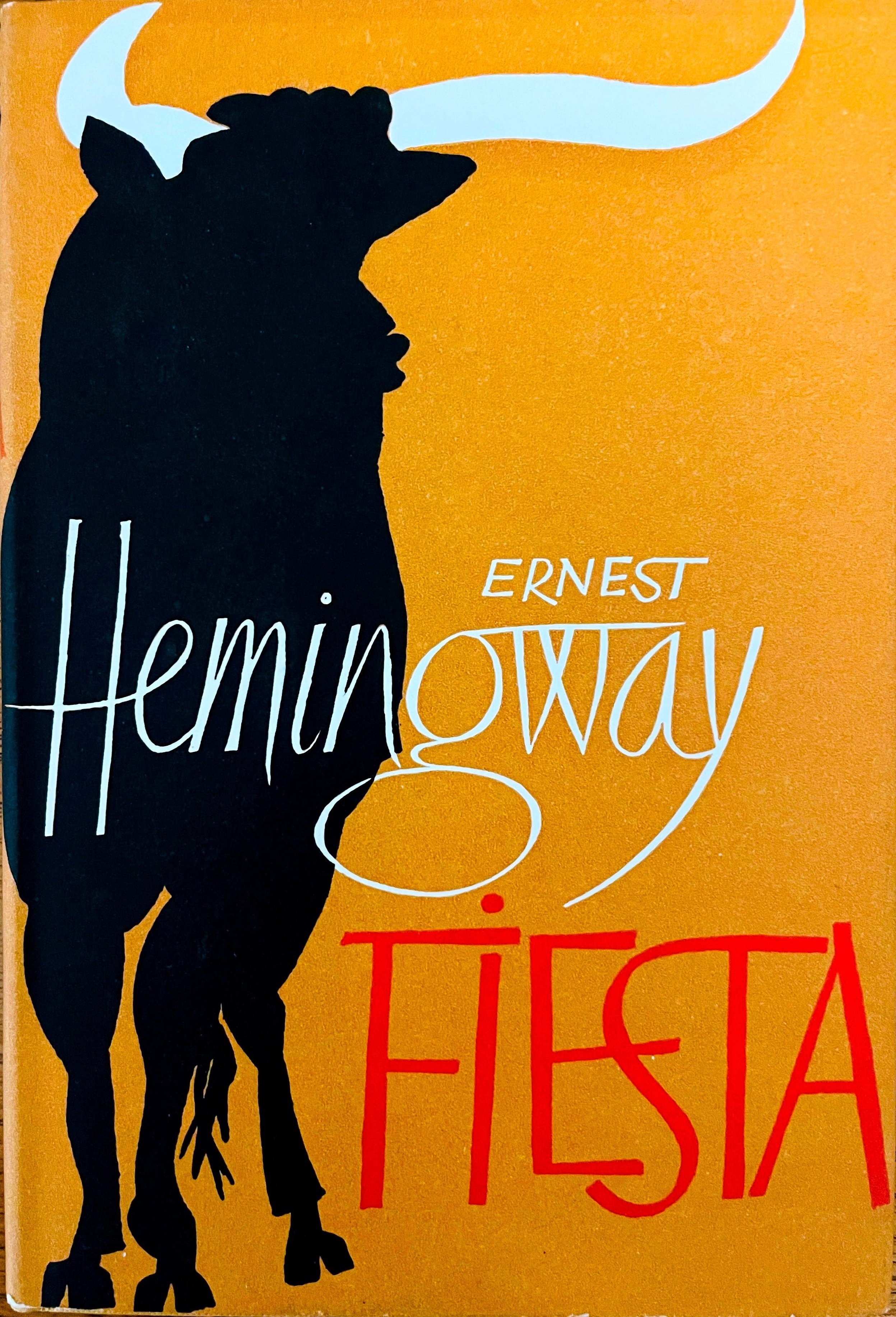
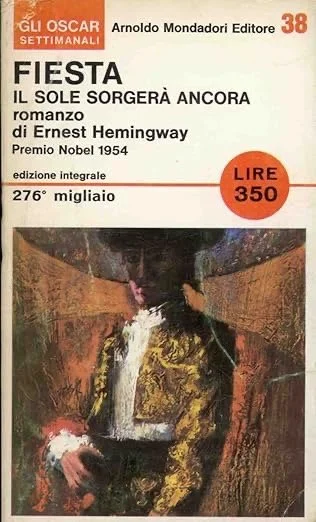
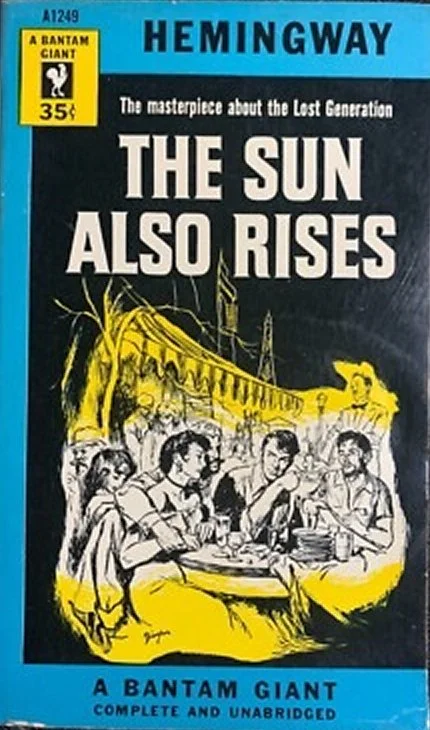
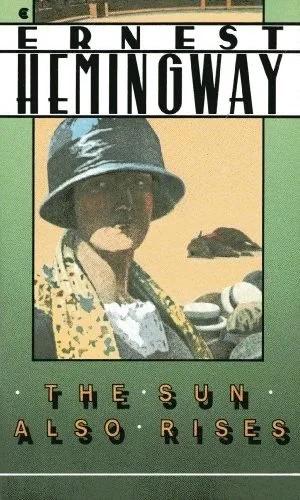
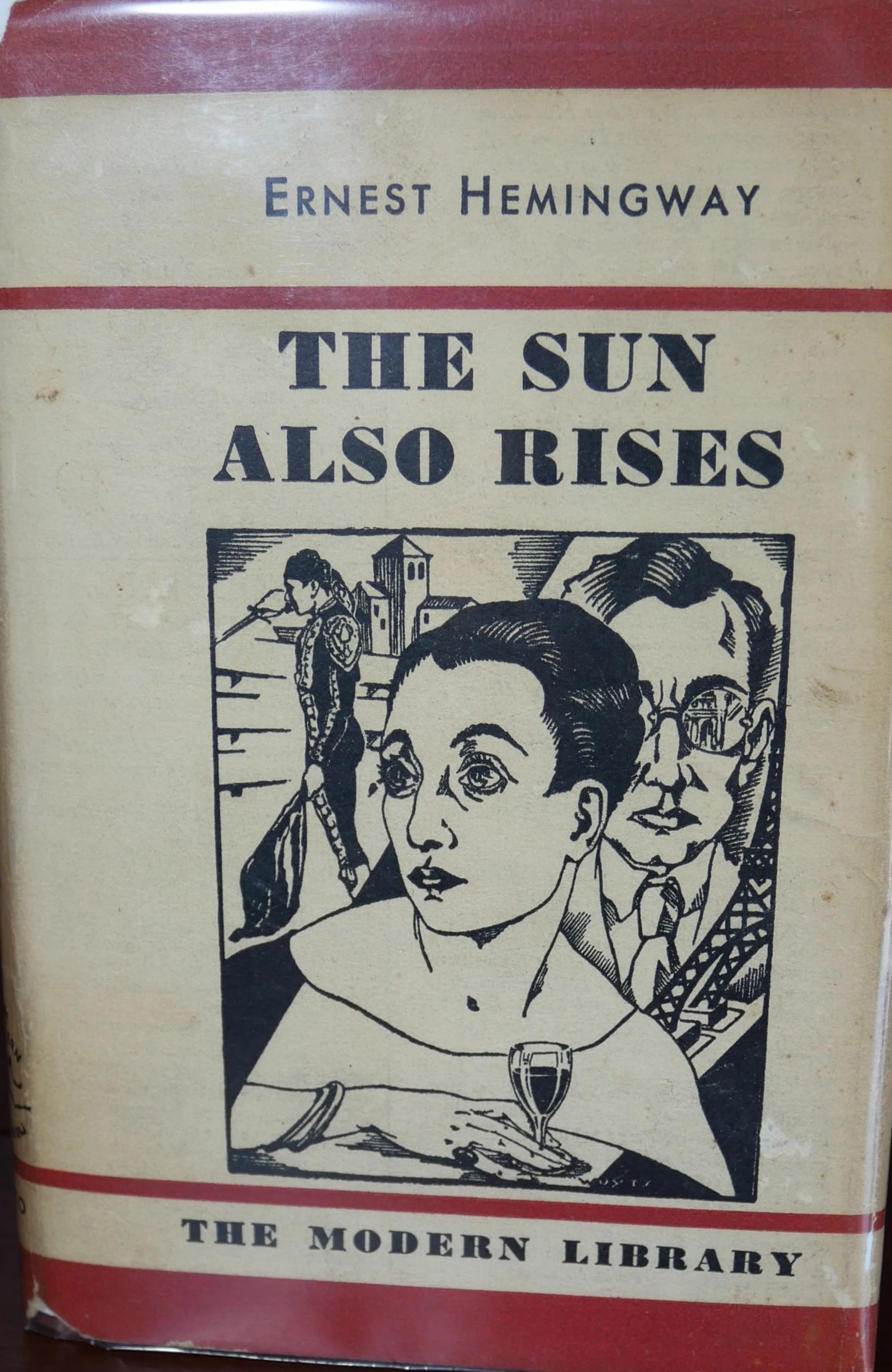
A Century in Cover
The evolving visual identity of a literary classic
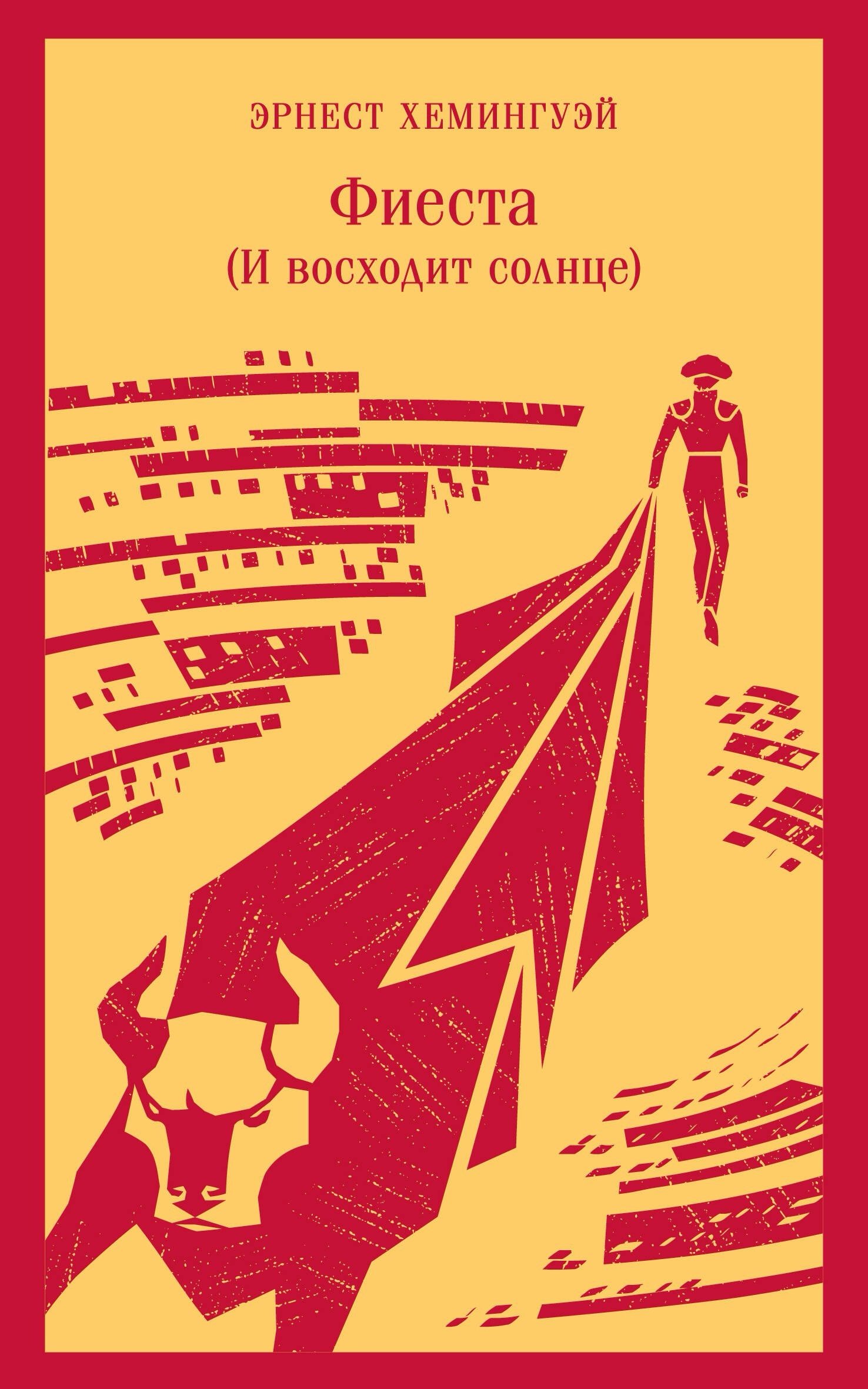
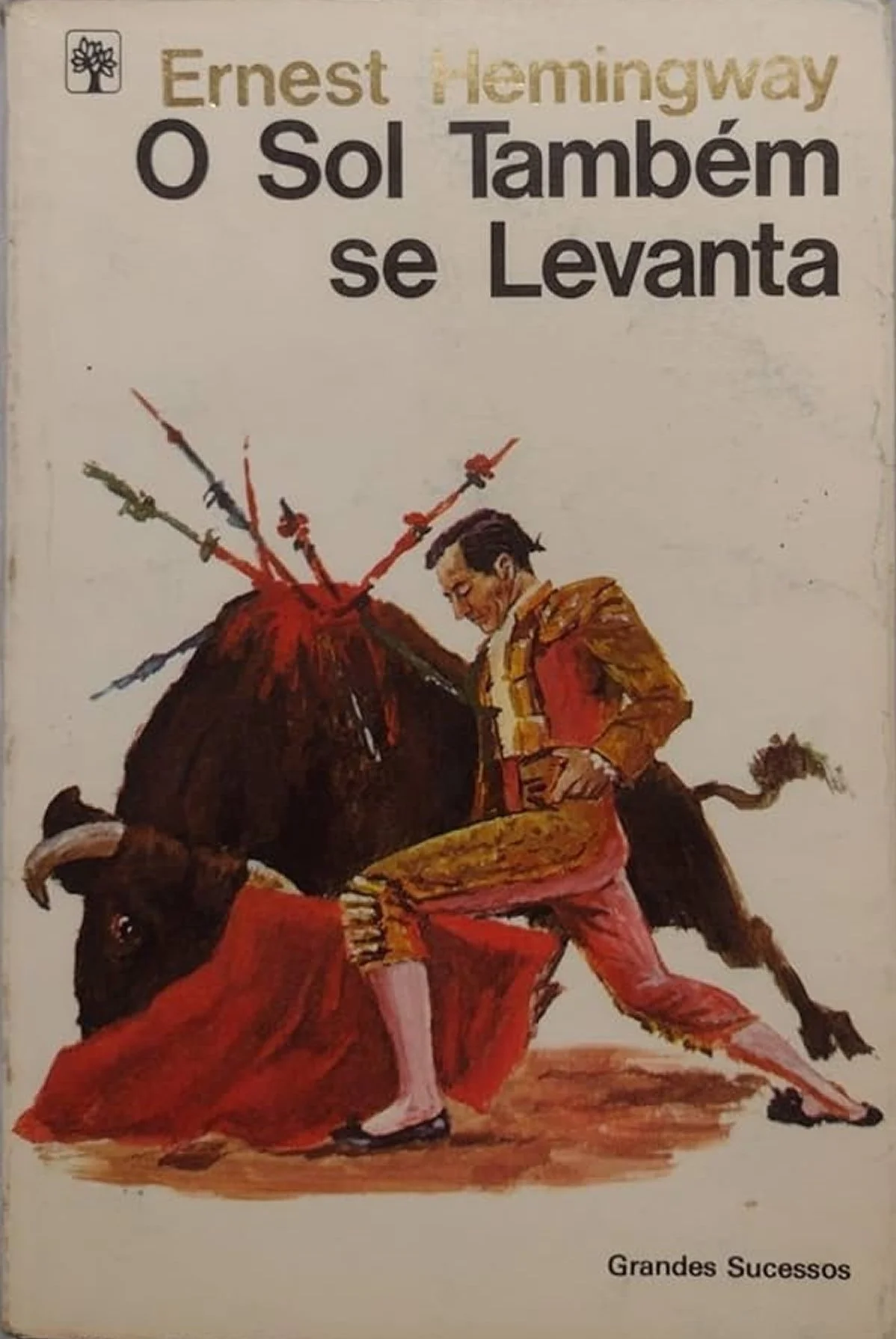
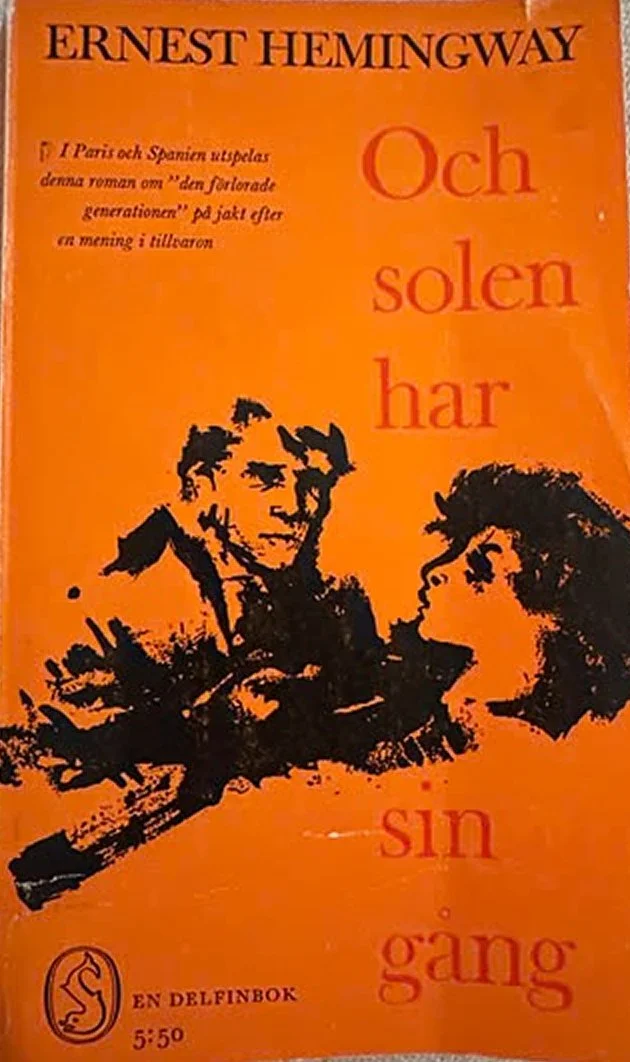
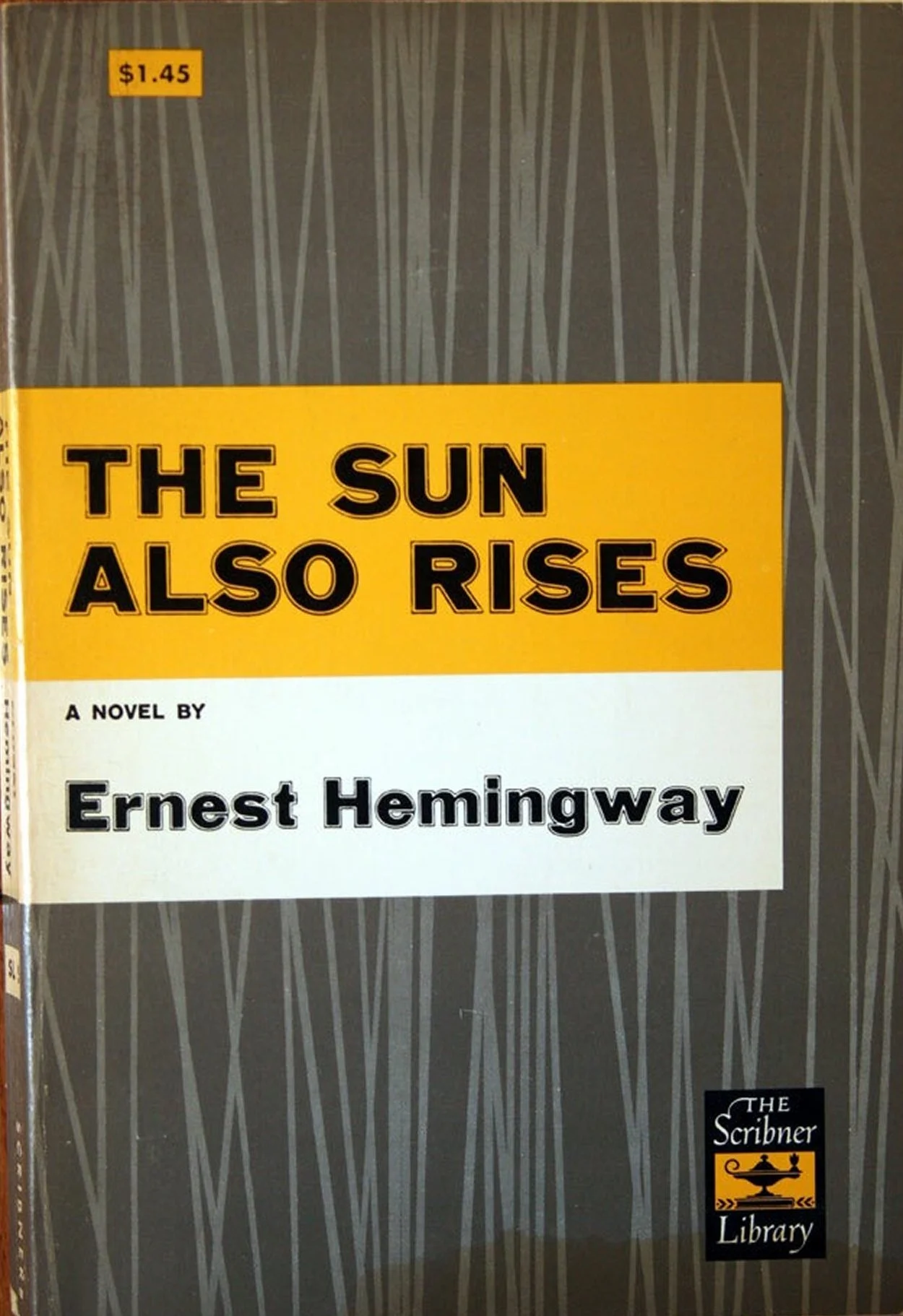
Over the past hundred years, the cover art for The Sun Also Rises has continually evolved with changing design sensibilities and cultural tastes. From the bold, modernist 1926 Scribner to later interpretations featuring Parisian cafés, Spanish bullfights, and photographic compositions, each era has reimagined the novel’s visual identity. Today, covers range from heritage-inspired tributes to minimalist typography, reflecting the timeless nature of Hemingway’s work and its ability to resonate with new generations of readers.



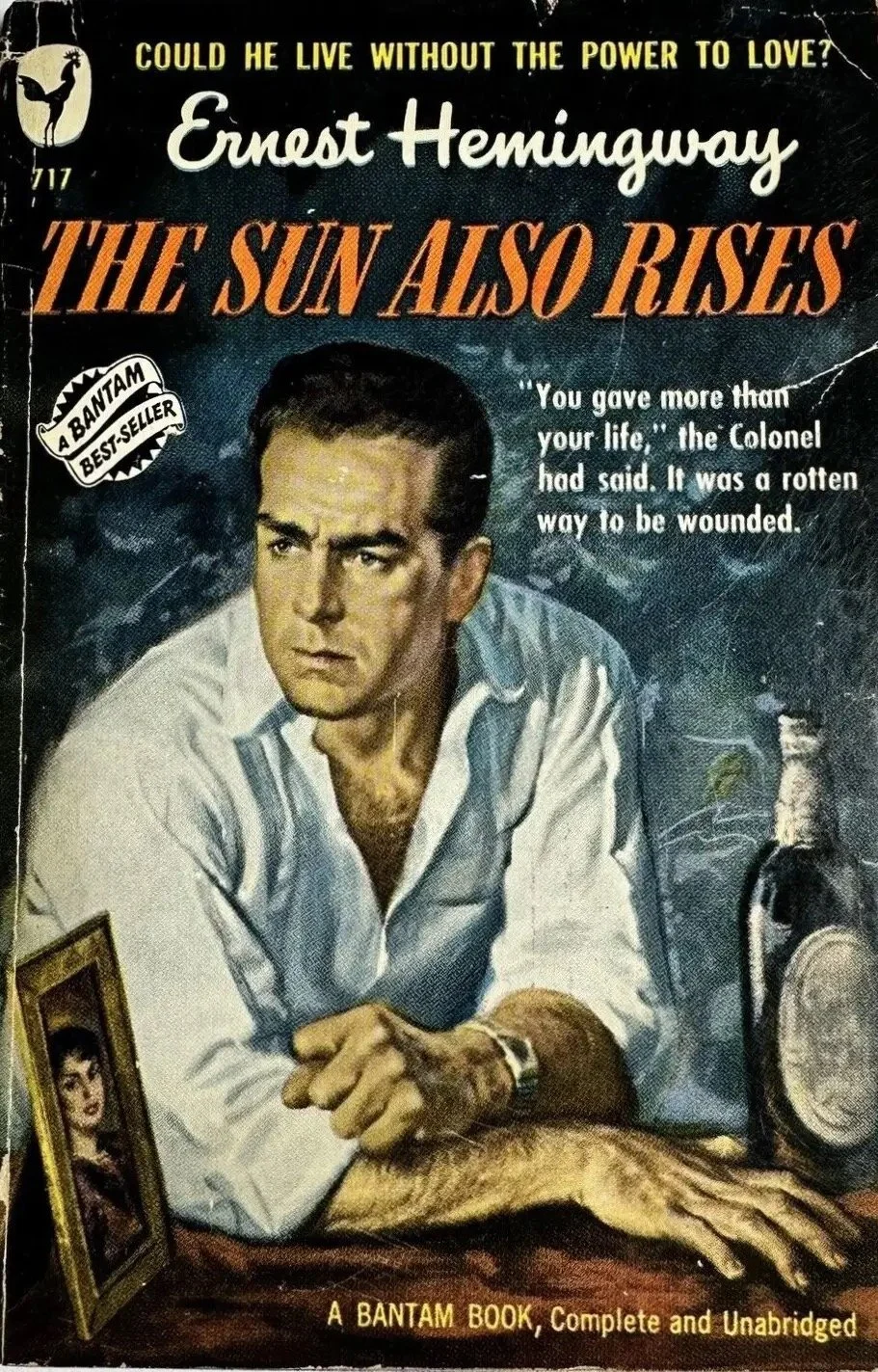


A Century Later, the Conversation Continues
Writers and Readers Gather in New York to Celebrate The Sun Also Rises and the Enduring Voice of Ernest Hemingway

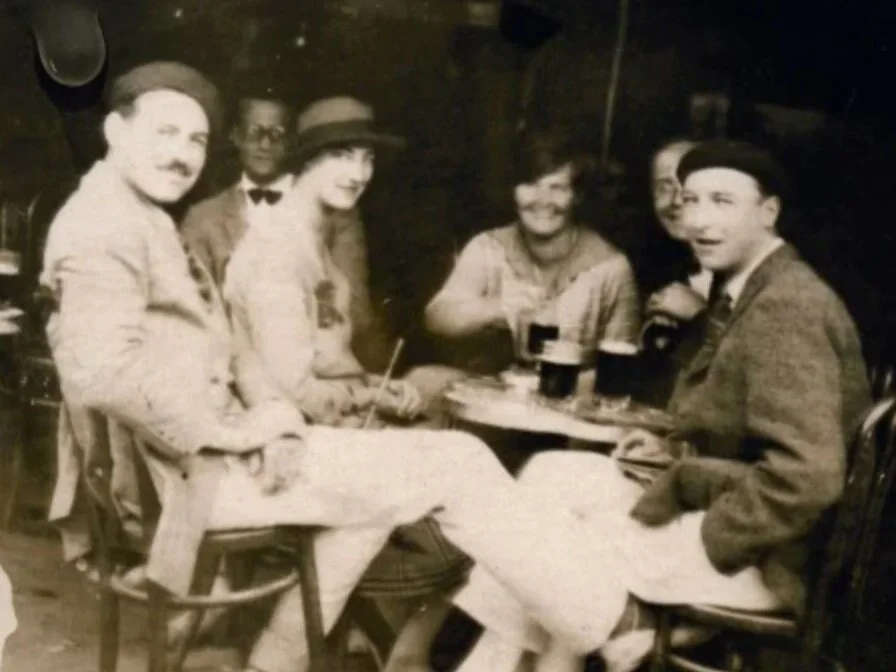
The real people behind the sun also rises
Before they were characters, they were friends, rivals, and lovers in the Paris of the Lost Generation. Meet the real expats who inspired Hemingway's first great novel.
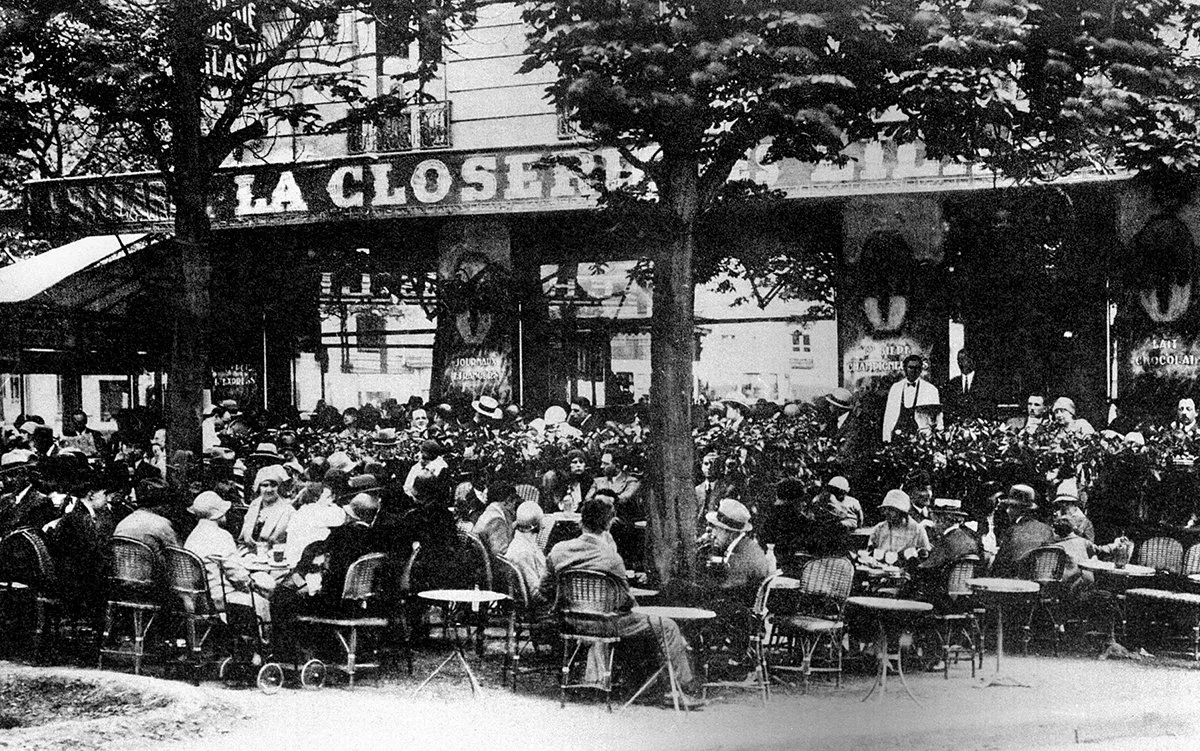
A Taste of Hemingway
Following the Cafés, Cuisine, and Drinks of
The Sun Also Rises
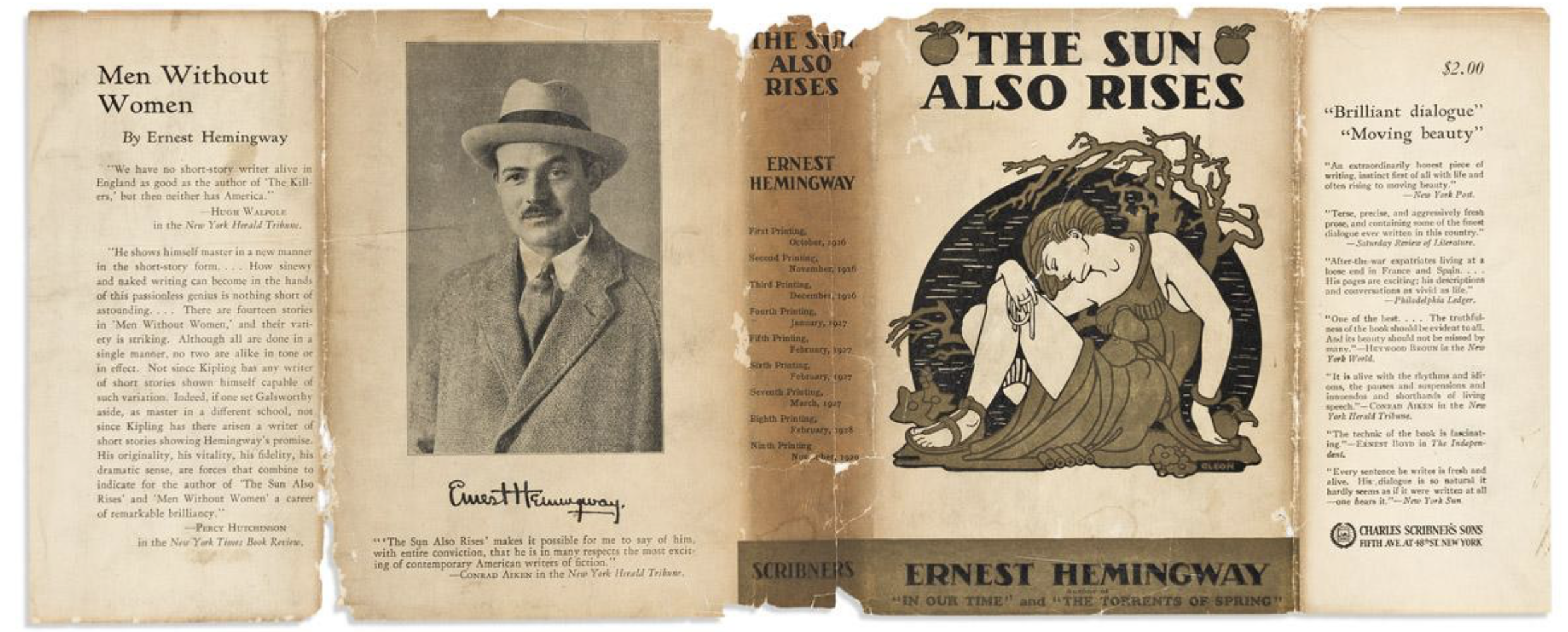
Would You Pay $750,000 for
The Sun Also Rises?
Inside the Rare Editions and Extraordinary Auction Prices Behind Hemingway’s Landmark Novel
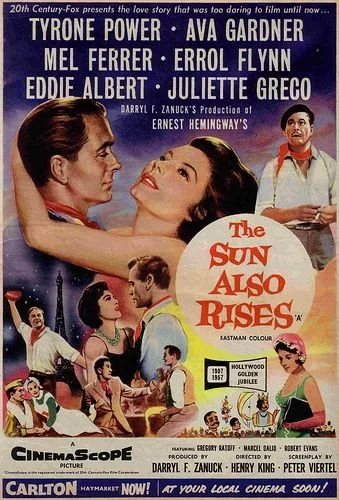
The Sun Also Rises (1957): Bringing Hemingway's Landmark Novel to the Silver Screen
Featuring Ava Gardner, Tyrone Power, and Errol Flynn, the 1957 adaptation brought Hemingway's celebrated tale of the Lost Generation from the cafés of Paris and the streets of Pamplona to movie screens around the world.