
Pursuit as Purpose: A Rediscovered Hemingway Story from The New Yorker and the Meaning of the Chase
The posthumous short story offers a rare glimpse into Ernest Hemingway’s creative process and the ideas that would later define The Old Man and the Sea.
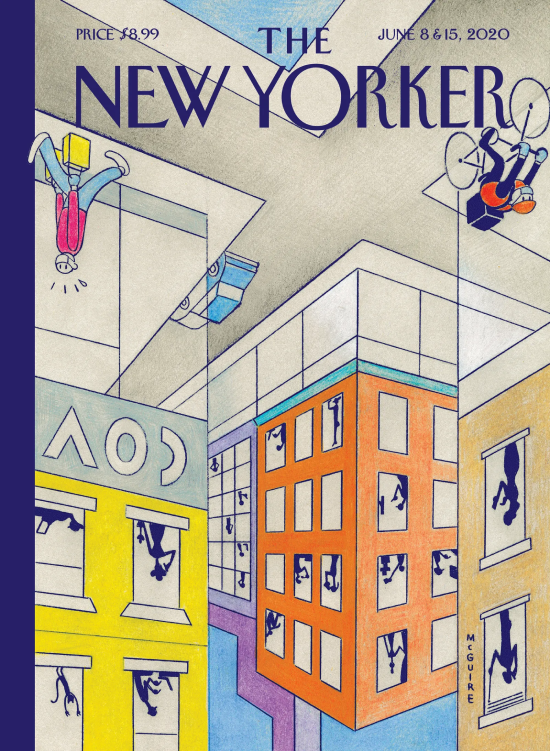
The 2020 publication of “Pursuit as Happiness” in The New Yorker offered readers a rare and intriguing postscript to the career of Ernest Hemingway. Discovered in Hemingway’s papers by his grandson, Seán Hemingway, while preparing a new edition of The Old Man and the Sea, the story had remained unpublished for decades. Its emergence did not radically alter Hemingway’s literary standing, but it provided valuable insight into his creative process and the thematic obsessions that defined his life’s work.
The story follows a fishing expedition focused on the pursuit of an enormous marlin. Sparse, observational, and unfinished in feel, the narrative bears all the hallmarks of Hemingway’s mature style: economical language, reverence for ritualized labor, and a deep respect for the natural world as both adversary and teacher. While the piece lacks the narrative resolution and emotional weight of The Old Man and the Sea, its thematic overlap is unmistakable. Man against nature, endurance over outcome, and dignity found in effort rather than victory are central to both works.
What makes “Pursuit as Happiness” significant is not its polish, but its position within Hemingway’s artistic evolution. The story reads like a draft of an idea rather than a completed statement—a moment where Hemingway is testing, refining, and circling concepts that would later find fuller expression. The title itself is revealing. It suggests a philosophy Hemingway returned to repeatedly: that meaning resides not in possession or triumph, but in commitment to the act itself. The chase, not the catch, is where fulfillment lies.
In the context of Hemingway’s career, the story underscores his relentless return to certain subjects—fishing, courage, discipline, and the quiet heroism of persistence. Rather than diminishing his legacy, the fragment enhances it, reminding readers that even Hemingway’s greatest achievements were the result of prolonged experimentation and revision. It also reinforces the autobiographical undercurrent that runs through much of his fiction, where lived experience serves as both raw material and moral proving ground.
As a posthumous publication, “Pursuit as Happiness” is best understood as a window rather than a monument. It offers scholars and readers alike a glimpse into Hemingway’s workshop, where lived experience, philosophy, and craft converged long before becoming literature. In doing so, the story humanizes a towering figure, revealing an artist still searching, still refining, and still pursuing meaning through motion itself. Its value lies not in what it completes, but in what it reveals.
https://www.newyorker.com/magazine/2020/06/08/pursuit-as-happiness for full article.
