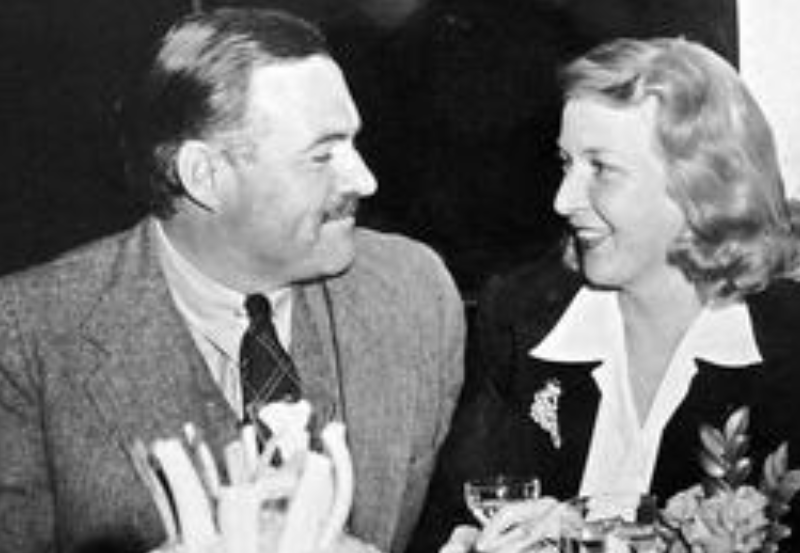
A Marriage Forged in Adventure: Ernest and Mary Hemingway
On the anniversary of their 1946 union, revisiting a partnership shaped by war time beginnings, Cuban horizons, African trials, and a shared devotion to living and writing without half measures.
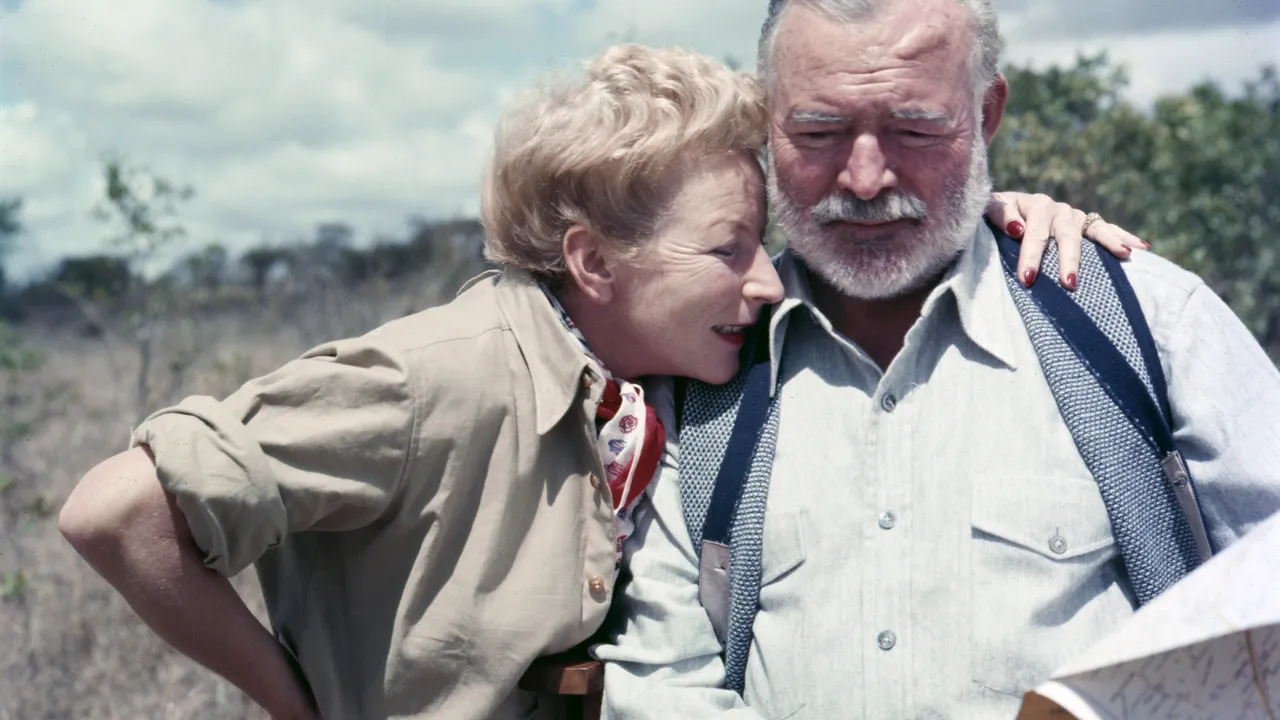
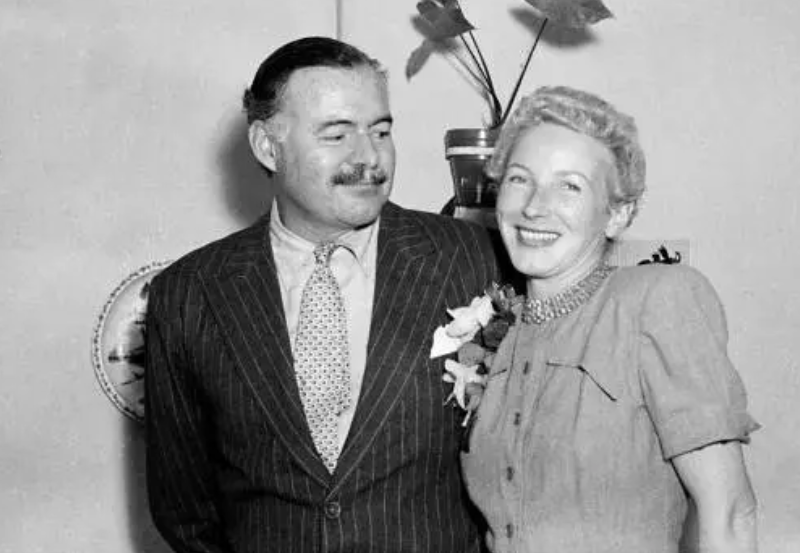
March marks the anniversary of Ernest Hemingway’s marriage to Mary Welsh, a partnership that would become one of the most defining chapters of his later life. Married in 1946, their union was forged not in quiet domesticity, but in war torn Europe, sun drenched Cuba, and the wild landscapes of Africa. It was a marriage built on shared adventure, intellectual respect, and an unspoken understanding of what it meant to live fully.
Their story began in London in 1944. Mary Welsh was an accomplished journalist for Time magazine, sharp minded and independent. Hemingway had arrived as a war correspondent covering World War II. London was still under threat, its skyline scarred and its nights uncertain. In that charged atmosphere, they met, two professionals accustomed to deadlines and danger. Their connection was immediate. Conversations stretched from newsroom observations to literature, politics, and the future of Europe.
As the Allies advanced, both traveled across France. They reunited in Paris after its liberation in August 1944, a city symbolic of rebirth. For Hemingway, Paris was the cradle of his early literary life; for Mary, it became the backdrop of a love story unfolding amid history. Their courtship was not without complexity, but what endured was a steady mutual pull, admiration mixed with deep affection.
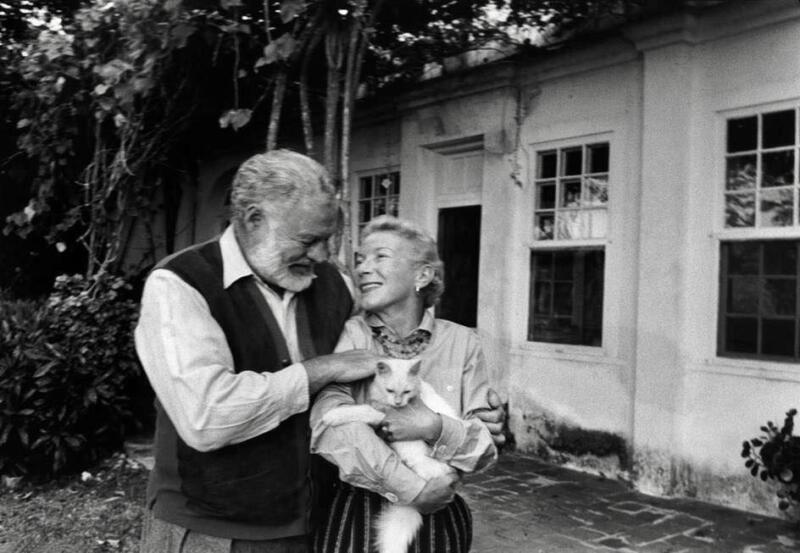
By 1946, they were married and beginning a new chapter together. Their primary home became Finca Vigía, Hemingway’s hilltop estate outside Havana, Cuba. There, life moved to the rhythms of writing and sea. Mornings often began with Hemingway at his typewriter, standing as he worked. Mary served not only as wife but as trusted first reader and meticulous typist of manuscripts. She managed correspondence, fielded requests, and helped protect the discipline his craft demanded.
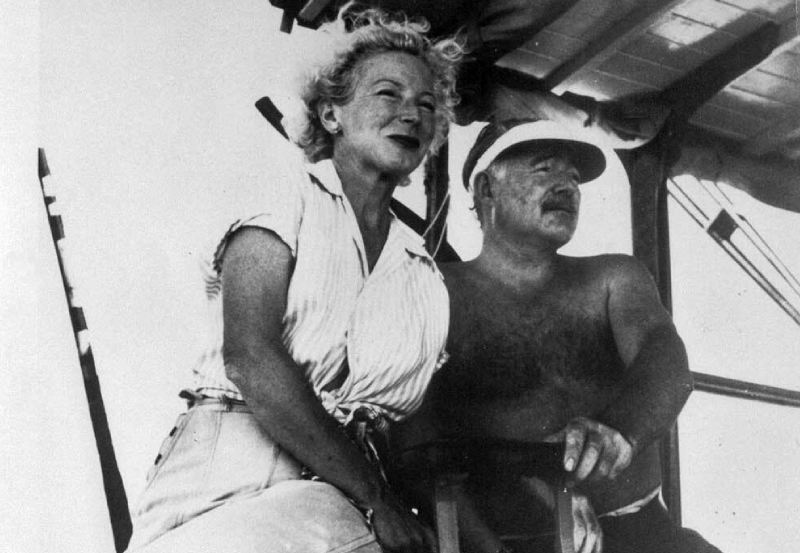
Afternoons might mean heading out on the Pilar, his beloved fishing boat, chasing marlin in the Gulf Stream. Evenings brought friends, rum, storytelling, and debate under the Cuban sky. The house filled with cats, books, and the constant energy of creation. Cuba offered both sanctuary and vitality, a place where Hemingway could write and live intensely, and where Mary built a steady center around him.
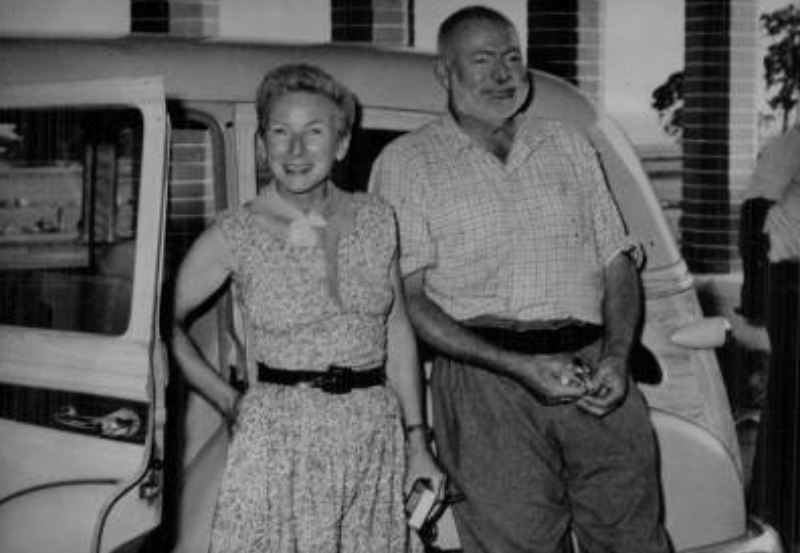
Travel remained central to their life together. Spain drew them back repeatedly, especially during bullfighting seasons that reignited Hemingway’s long fascination with the spectacle and ritual of the ring. In 1953 to 1954, they embarked on an African safari, a journey that turned dramatic when they survived two successive plane crashes in Uganda. The ordeal was harrowing, yet it underscored something essential about their marriage: Mary’s composure and unwavering loyalty in moments of crisis.
During their years together, Hemingway completed and published major works, including Across the River and into the Trees, The Old Man and the Sea, and later the memoir A Moveable Feast. Mary stood firmly beside him, organized where he was impulsive, measured where he was intense. She understood the demands of public life and the necessity of private space.
On this anniversary, what stands out is not merely that Ernest Hemingway married Mary Welsh in 1946, but how fully they lived the years that followed. From the front lines of Europe to the waters off Cuba and the plains of Africa, theirs was a union shaped by movement, resilience, and shared experience.
It was a marriage that mirrored Hemingway’s own credo: to meet life directly, bravely, honestly, and without half measures.