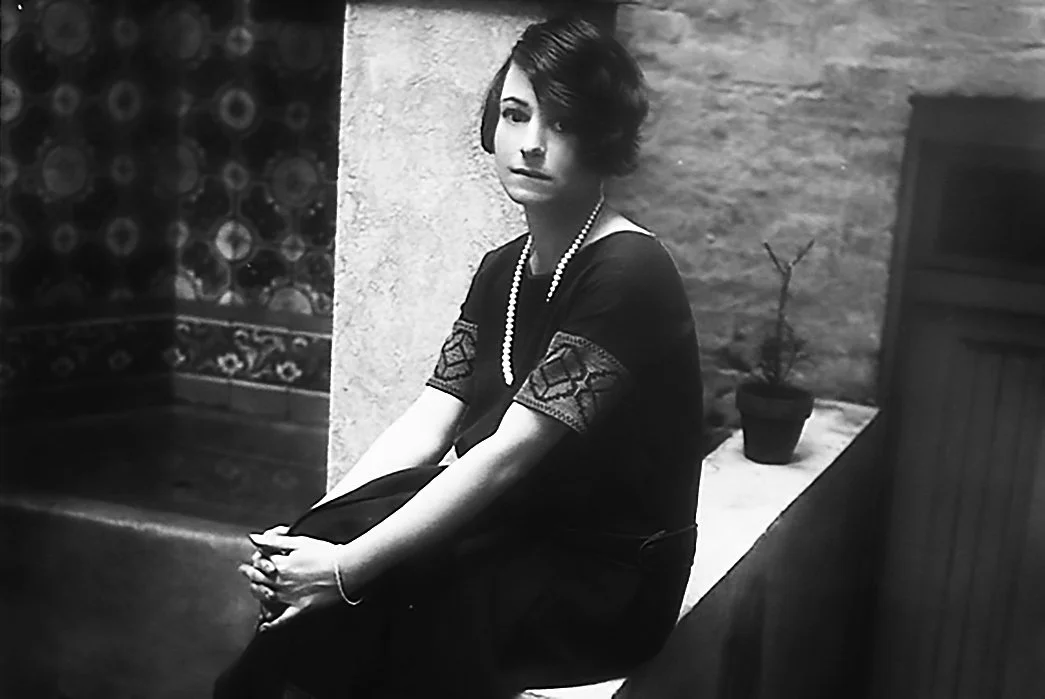
Dorothy Parker and the Making of Hemingway’s Myth
How “The Artist’s Reward” helped define Ernest Hemingway’s public image and elevated literary celebrity in early twentieth century America
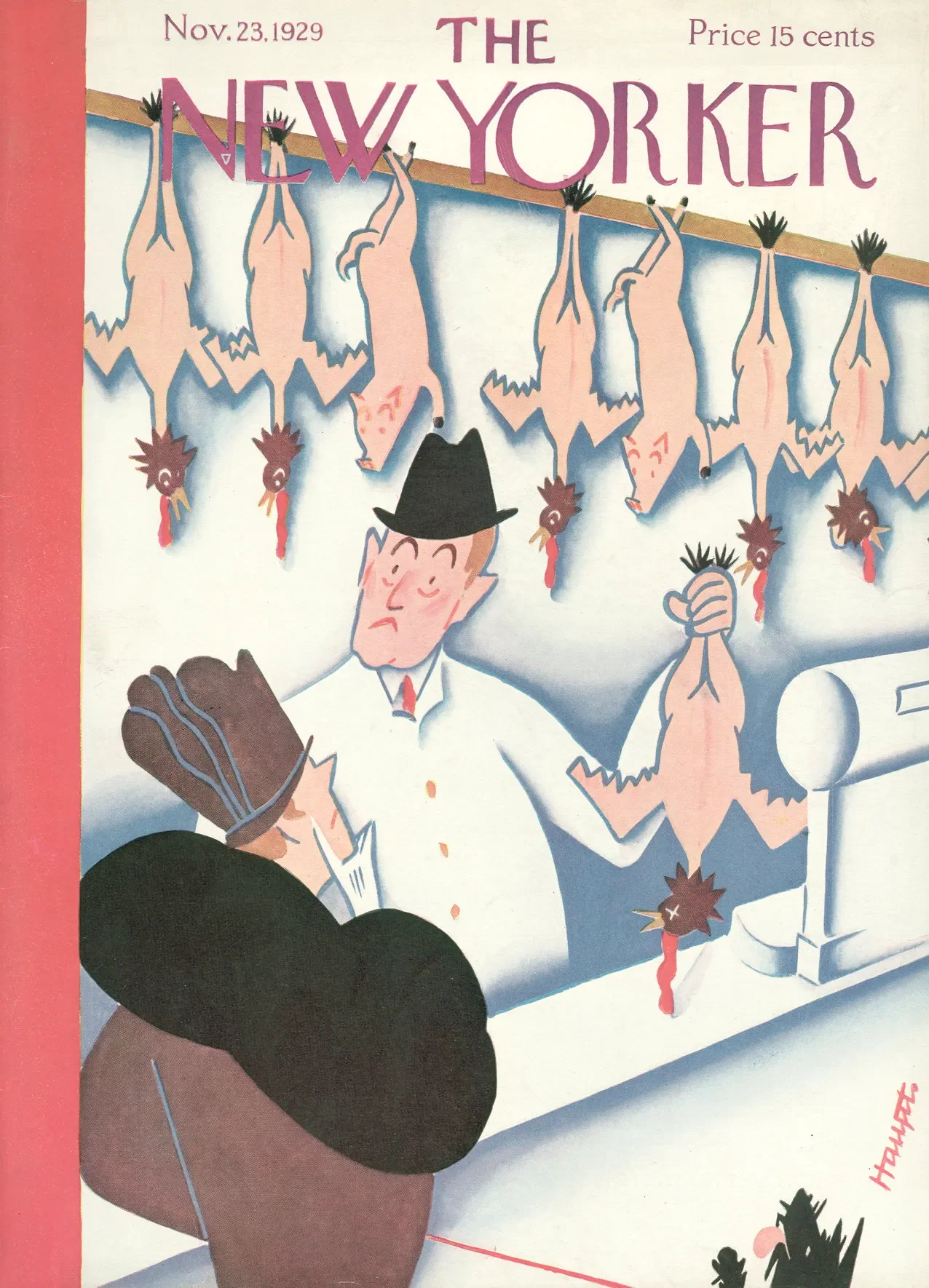
In 1929, The New Yorker publishes a profile of Ernest Hemingway titled “The Artist’s Reward,” written by Dorothy Parker, one of the sharpest literary voices of the Jazz Age. Though nearly a century has passed since its appearance, the piece remains a pivotal moment in how Hemingway was perceived by the public and how literary celebrity was shaped in modern America.
At the time, Hemingway was already attracting attention not just for bestselling works like In Our Time and A Farewell to Arms, but for the mythology forming around his persona. Parker opens her profile with characteristic wit, acknowledging the excess of commentary already written about him while signaling her intention to move beyond gossip. Rather than adding to sensationalism, she offers a portrait that balances skepticism with genuine admiration.
What makes Parker’s profile enduring is her ability to capture Hemingway’s contradictions. She neither mocks nor blindly praises him. Instead, she examines the tension between the man and the myth. Parker recognizes that Hemingway’s growing fame risked overshadowing his artistry, and she deliberately shifts focus back to the work itself. In doing so, she helps reframe him not merely as a larger than life personality, but as a disciplined craftsman deeply committed to his writing.
The profile is also significant for helping cement one of the most enduring phrases associated with Hemingway. In discussing his work, Parker highlights his definition of courage as “grace under pressure,” a line that would echo far beyond the article and become shorthand for his artistic and personal philosophy. By including it in a widely read national magazine, Parker amplified a concept that would become inseparable from his legacy.
Beyond Hemingway himself, the article reflects a broader cultural shift. The late 1920s marked the rise of modern media, where writers were becoming public figures in new ways. Parker’s essay demonstrates how serious literary journalism could coexist with celebrity culture without surrendering intellectual rigor. The New Yorker positioned contemporary literature as worthy of thoughtful, stylish examination, and Parker delivered precisely that.
Nearly a century later, “The Artist’s Reward” stands as more than a profile. It is an early case study in how myth and mastery intertwine, and how a perceptive critic can influence the public understanding of a writer at the height of his ascent.
Read the original article penned by Dorothy Parker here:
https://www.newyorker.com/magazine/1929/11/30/dorothy-parker-ernest-hemingway-profile-theartists-reward