
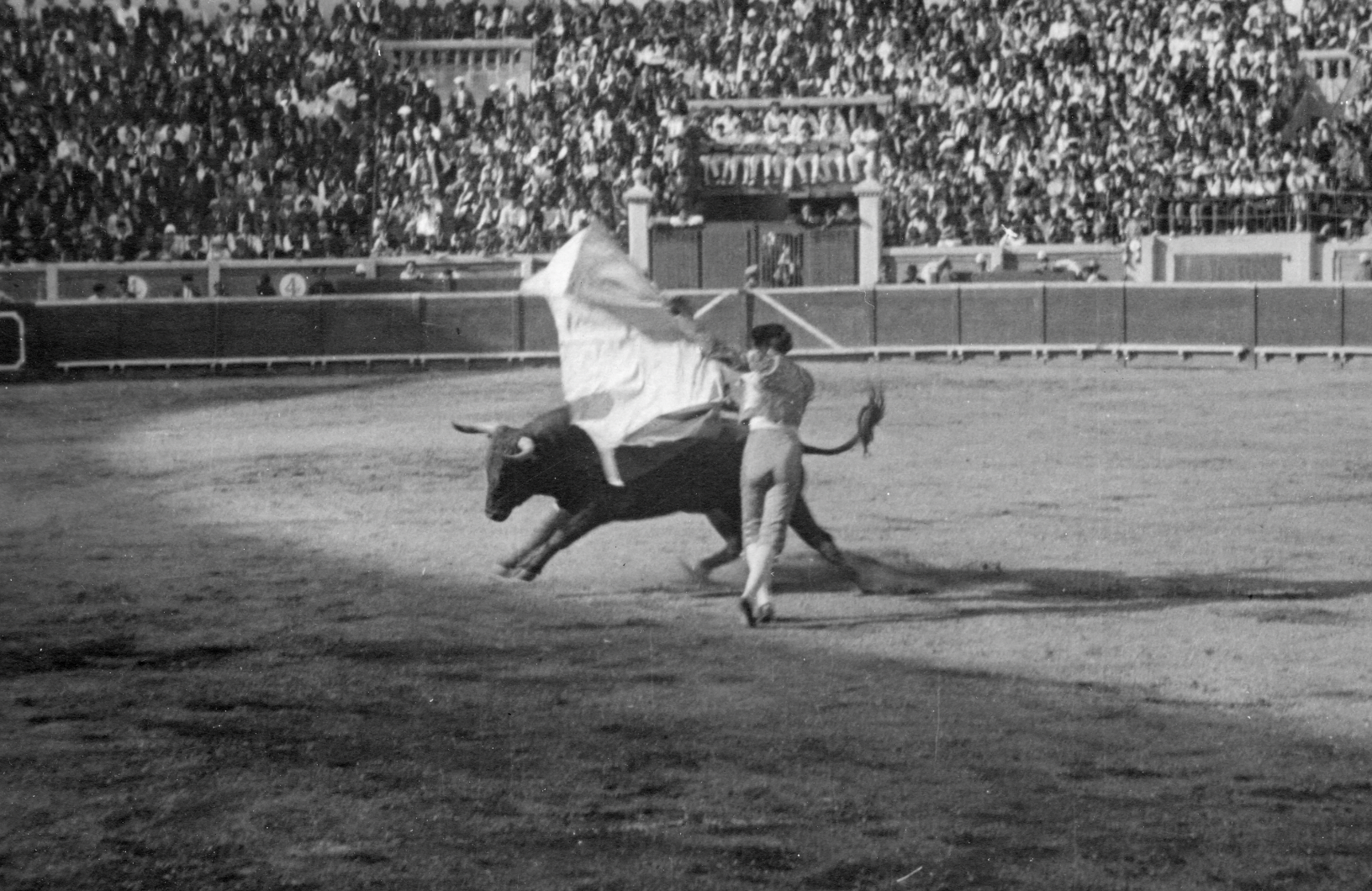
Under the Spanish Sun
Bullfighting is woven deeply into the world of Ernest Hemingway’s The Sun Also Rises. When Jake Barnes, Lady Brett Ashley and their companions arrive in Pamplona for the Festival of San Fermín, the bullring becomes far more than a backdrop.
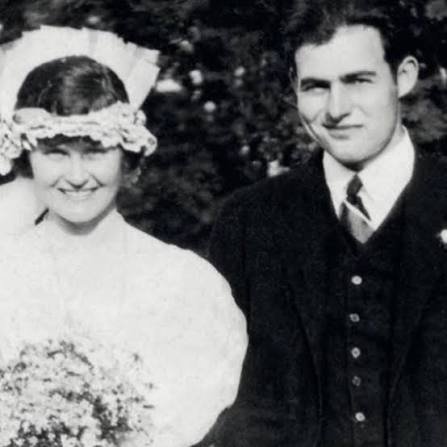
Ernest and Hadley: A Marriage That Shaped Hemingway
When Ernest Hemingway married Elizabeth Hadley Richardson on September 3, 1921, he was 22 years old, still years away from becoming one of the most famous writers in the world.
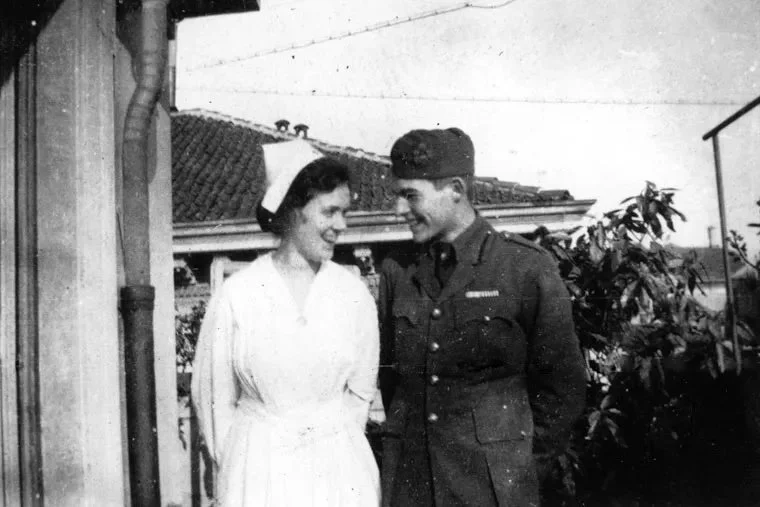
A Farewell to Arms: Hemingway’s cultural turning point
Hemingway was just 30 years old, but he was hardly unknown. The Sun Also Rises had established him as one of the leading voices of his generation, while Men Without Women had further demonstrated the distinctive economy and precision of his prose. With A Farewell to Arms, however, Hemingway reached an entirely new level of literary and popular success.
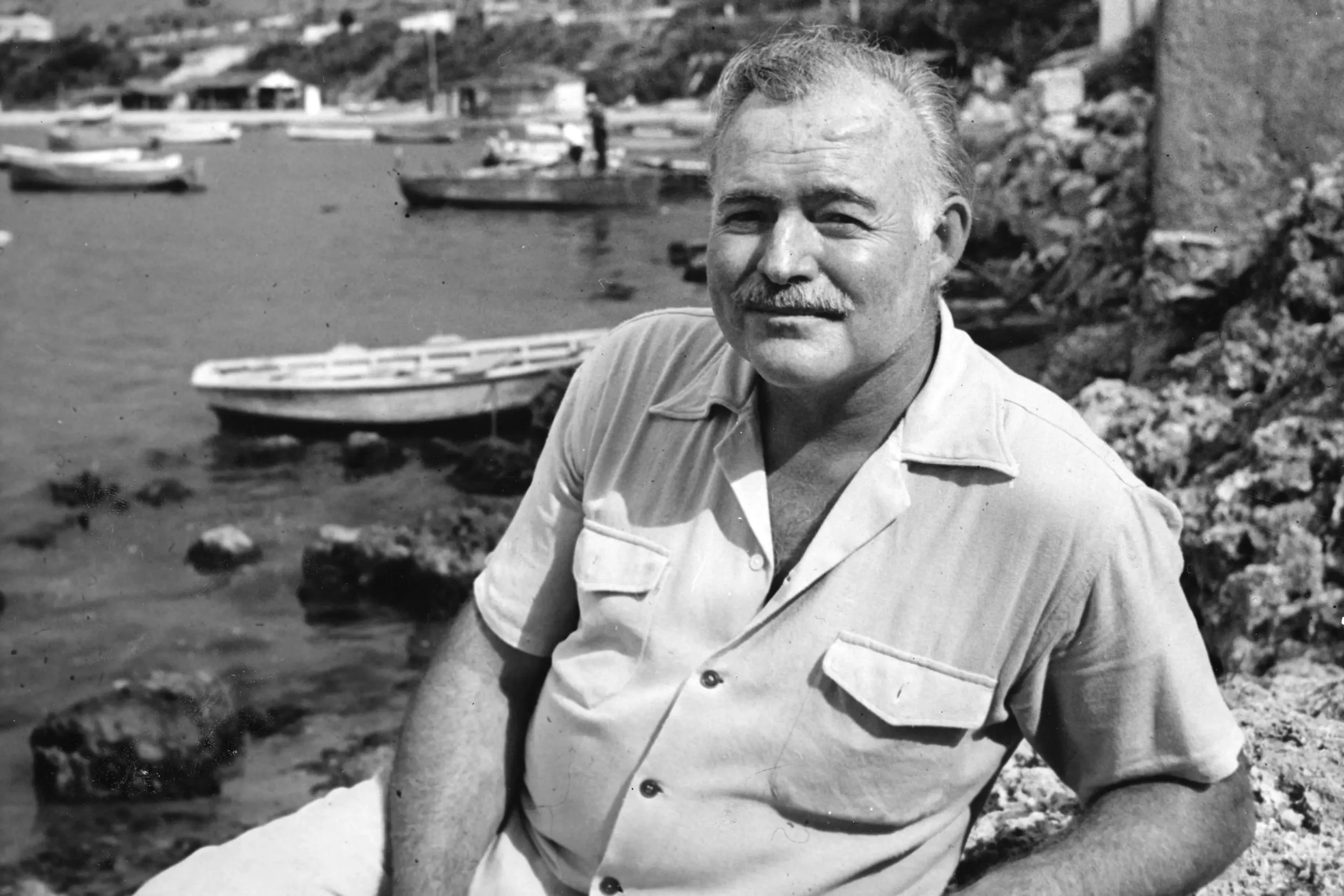
74 Years of The Old Man and the Sea
Seventy-four years ago, on September 8, 1952, Charles Scribner’s Sons published Ernest Hemingway’s The Old Man and the Sea, a deceptively simple story of an aging Cuban fisherman and his epic struggle with a giant marlin that would become one of the most celebrated and enduring works in American literature.
The Story That Says Everything Without Saying It
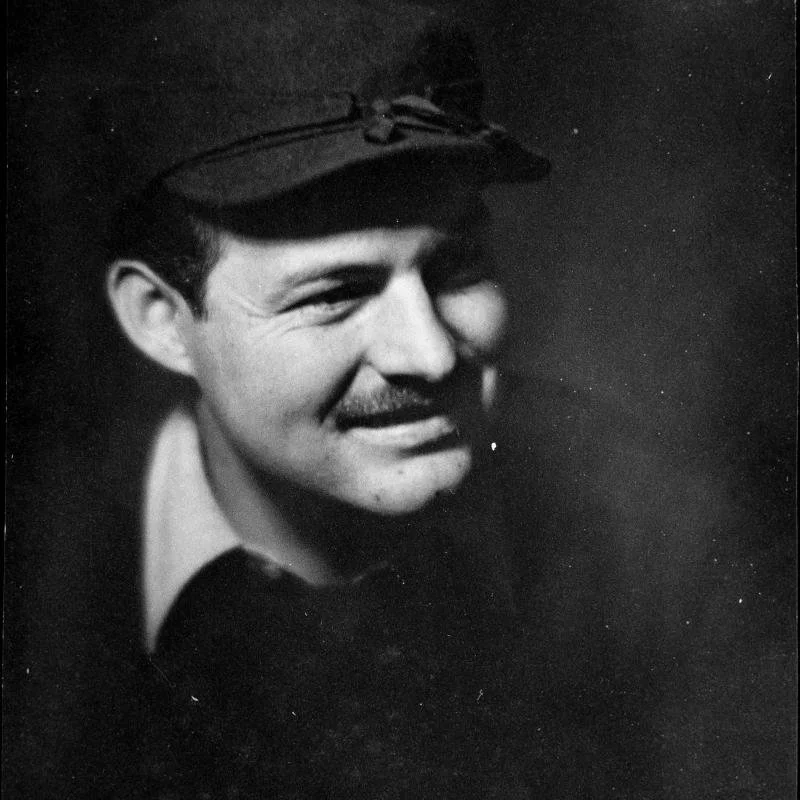
In just 1,400 words and 99 years, Ernest Hemingway's Hills Like White Elephants has accomplished what few works of fiction ever have. It has sparked countless debates, challenged generations of readers, and secured its place as one of the most studied and admired short stories in modern literature. First published in the August 1927 issue of Transition magazine before appearing later that year in Men Without Women, the story remains a masterclass in the power of what is left unsaid.
A Taste of Hemingway
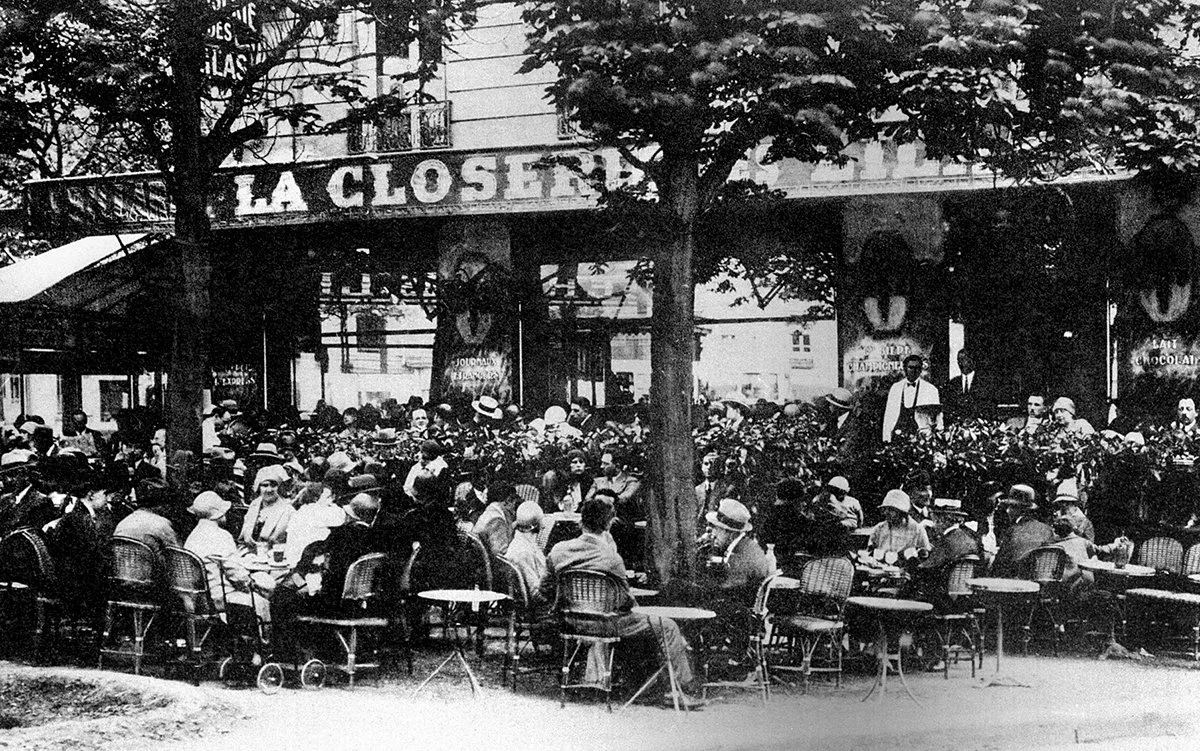
To truly experience The Sun Also Rises, don't just follow Jake Barnes' journey across France and Spain—follow what's on his table. Nearly one hundred years after the novel's publication, Ernest Hemingway's landmark work continues to transport readers through unforgettable characters and breathtaking landscapes. But it is also a celebration of food, drink, and the simple pleasure of gathering around a table.
Henry Strater's Portrait of Hemingway
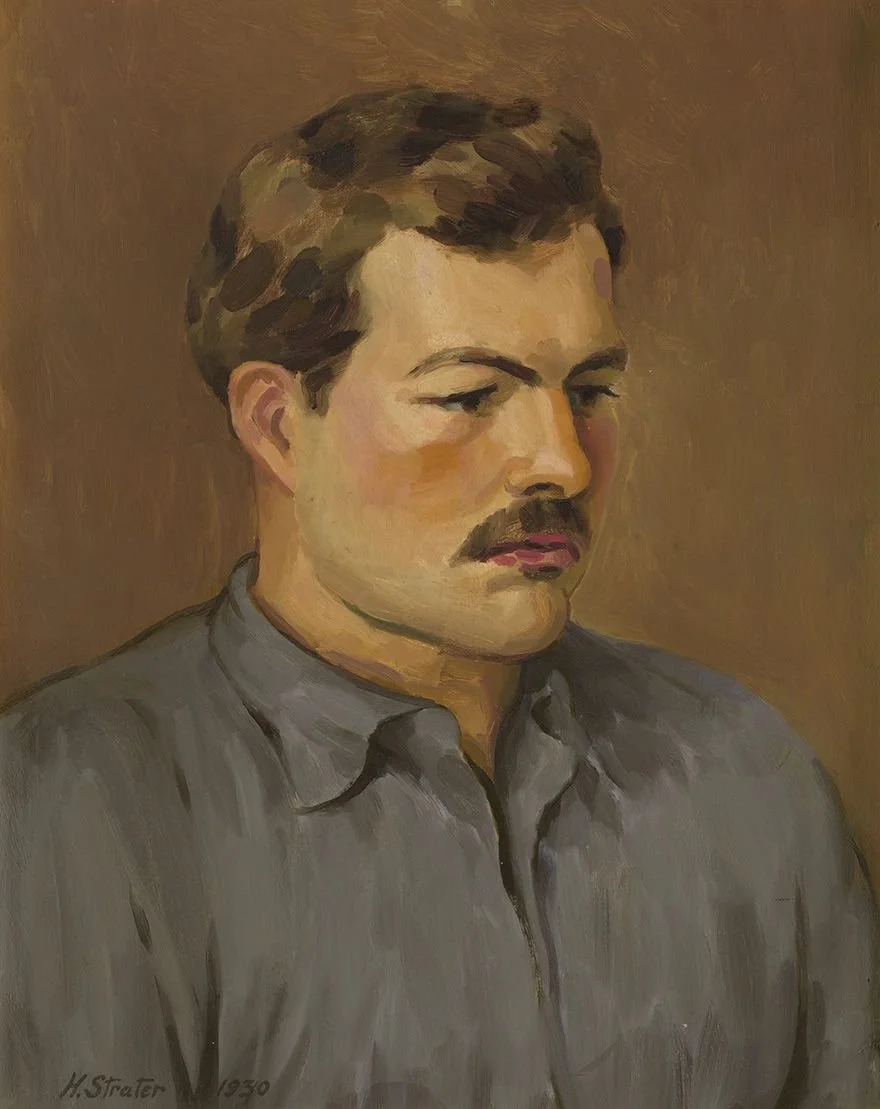
Among the countless photographs and artistic depictions of Ernest Hemingway, few are as enduring as the portrait painted by Henry Strater in Key West in 1930. More than a likeness of a famous author, the painting captures Hemingway at a defining moment in his life, when literary success, adventure, and public fascination were beginning to merge into the larger-than-life figure the world would come to know.
From Africa to Hollywood
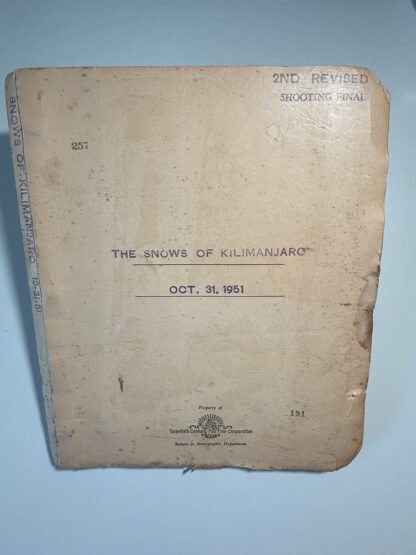
Few stories capture the fear of a life left unfinished quite like Ernest Hemingway's "The Snows of Kilimanjaro." Nearly ninety years after it first appeared in print, its themes of ambition, regret, and redemption remain as powerful as ever. This August, the anniversary of the classic film adaptation offers the perfect opportunity to revisit the story that became one of Hemingway's greatest literary achievements and inspired one of Hollywood's most memorable literary adaptations.
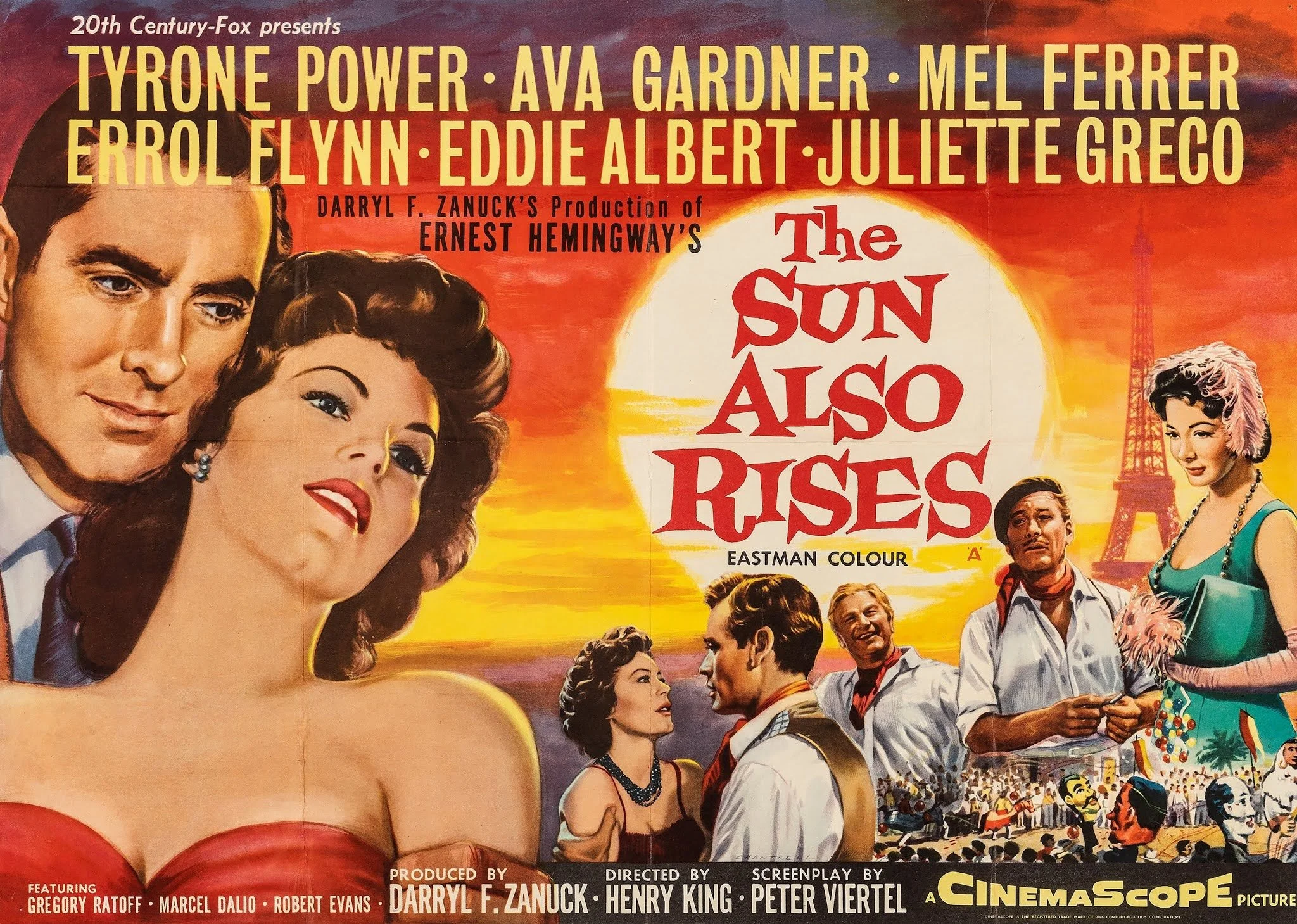
The Sun Also Rises (1957): Bringing Hemingway's Landmark Novel to the Silver Screen
When Hollywood finally brought The Sun Also Rises to the screen in 1957, the challenge wasn't simply adapting a great novel — it was capturing a feeling. Hemingway's portrait of the Lost Generation lives in what goes unsaid, in the spaces between drinks and glances and unanswered questions. Director Henry King and producer Darryl F. Zanuck met that challenge with an all-star cast and a commitment to authenticity, filming on location in Madrid and Pamplona to recreate the sun-soaked world Hemingway had made legendary. Ava Gardner brought Brett Ashley to life with the kind of glamour and emotional complexity the role demanded, while Errol Flynn — hard-living and magnetic — seemed less like he was playing Mike Campbell than simply being him. Nearly seventy years later, the film endures as both a love letter to Hemingway's Spain and a vivid snapshot of Hollywood at its most ambitious.
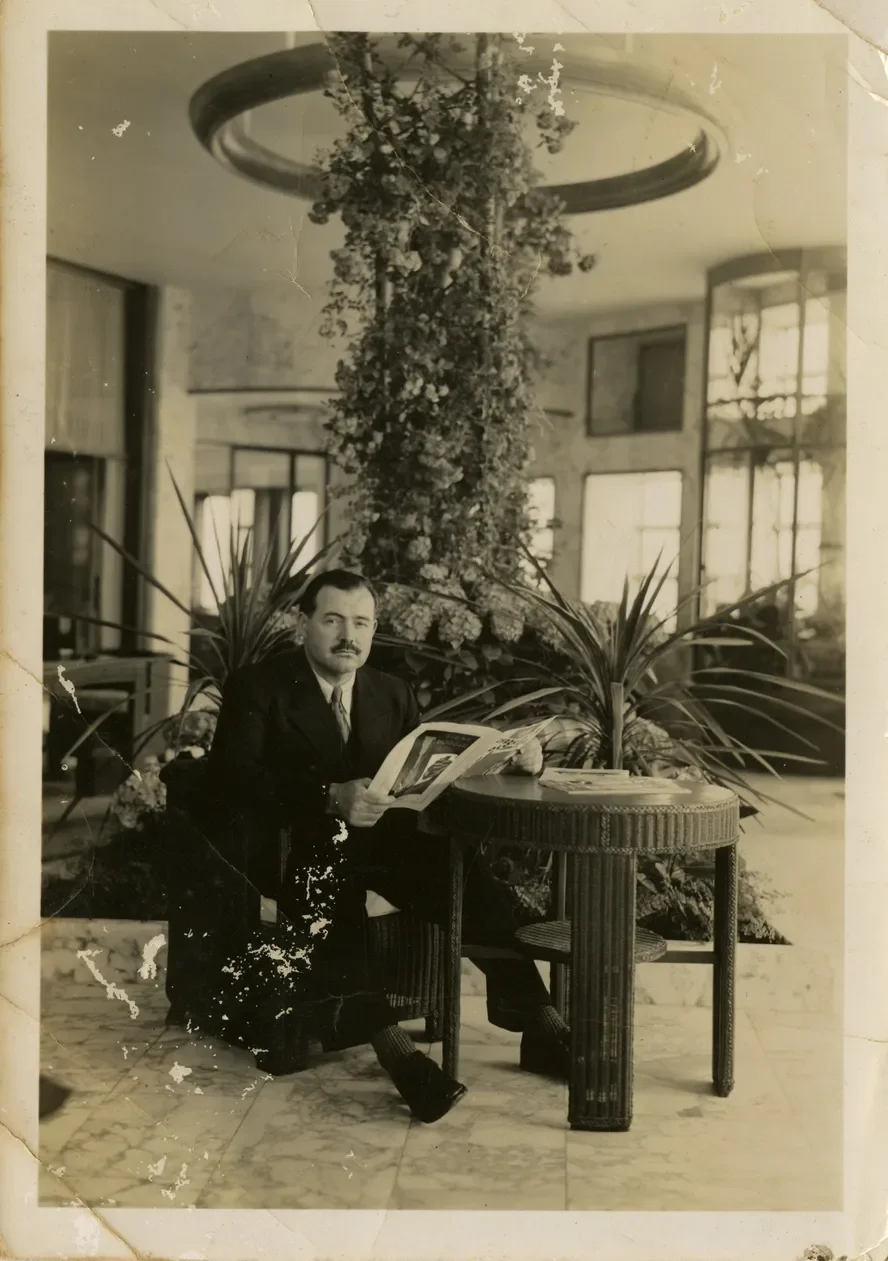
Celebrating the Birth of Ernest Hemingway
Ernest Hemingway was born on July 21, 1899, in Oak Park, Illinois — and more than a century later, his name remains synonymous not just with literature, but with a way of living. He changed the way stories could be told, stripping prose down to its essentials and trusting readers to find the meaning beneath the surface. His characters face love, loss, courage, and uncertainty with a quiet dignity that has never stopped feeling true. From The Sun Also Rises to The Old Man and the Sea, Hemingway's work has outlasted its era precisely because it was never really about one — it was always about the enduring complexities of being human.
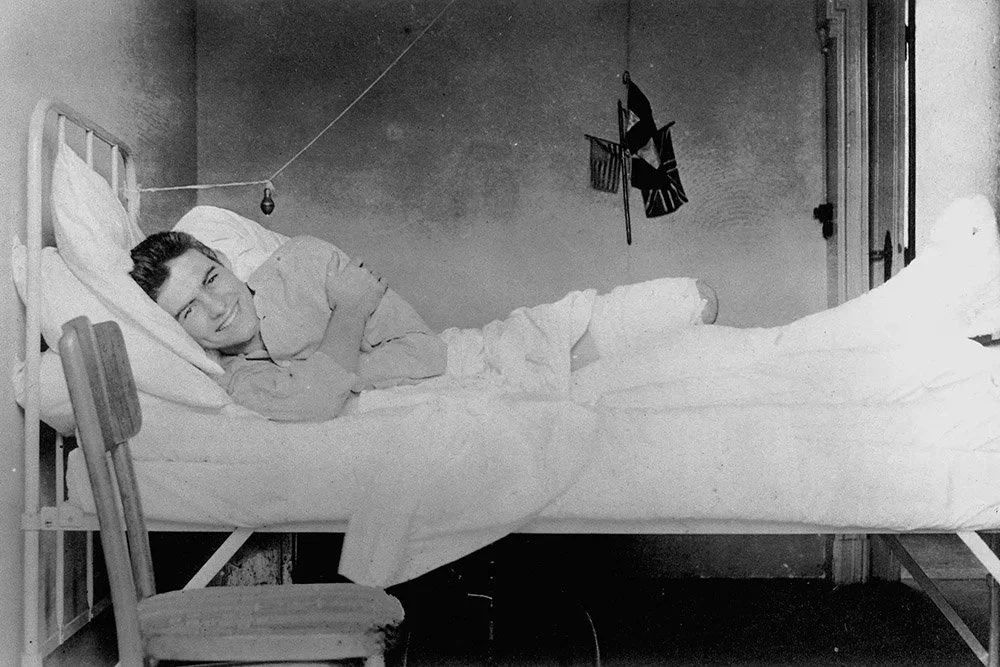
Honoring Ernest Hemingway and the Italian Medal of Bravery
In the summer of 1918, an eighteen-year-old Ernest Hemingway was delivering supplies to Italian soldiers near Fossalta di Piave when an Austrian mortar shell exploded nearby, embedding hundreds of shrapnel fragments in his legs. Despite his own wounds, he carried an injured soldier to safety — an act of courage the Italian government honored with the Silver Medal of Military Valor. The experience marked him permanently, leading to months of recovery in a Milan hospital, a heartbreak that would haunt him for years, and eventually, A Farewell to Arms — proof that the medal represents not just a moment of bravery, but the origin of a literary legend.
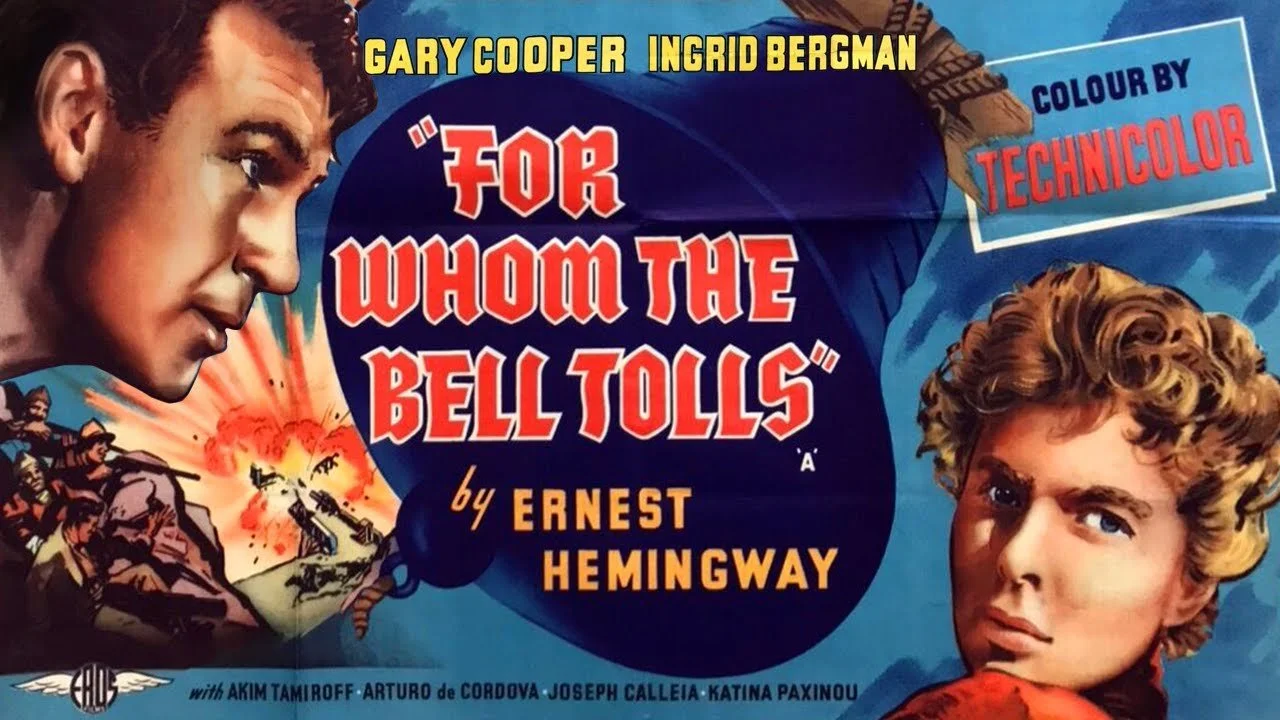
For Whom the Bell Tolls: Hemingway, Gary Cooper, and the Story Behind a Hollywood Classic
When Ernest Hemingway wrote For Whom the Bell Tolls, he already knew who should play Robert Jordan — his close friend Gary Cooper. Their bond, built on shared adventures and mutual respect for authenticity, made the casting feel less like a Hollywood decision and more like an inevitability. When Paramount's adaptation reached theaters in July 1943, Cooper delivered exactly what Hemingway had always seen in him: no artifice, no performance, just presence — and the result earned nine Academy Award nominations and introduced millions to one of Hemingway's most enduring stories.
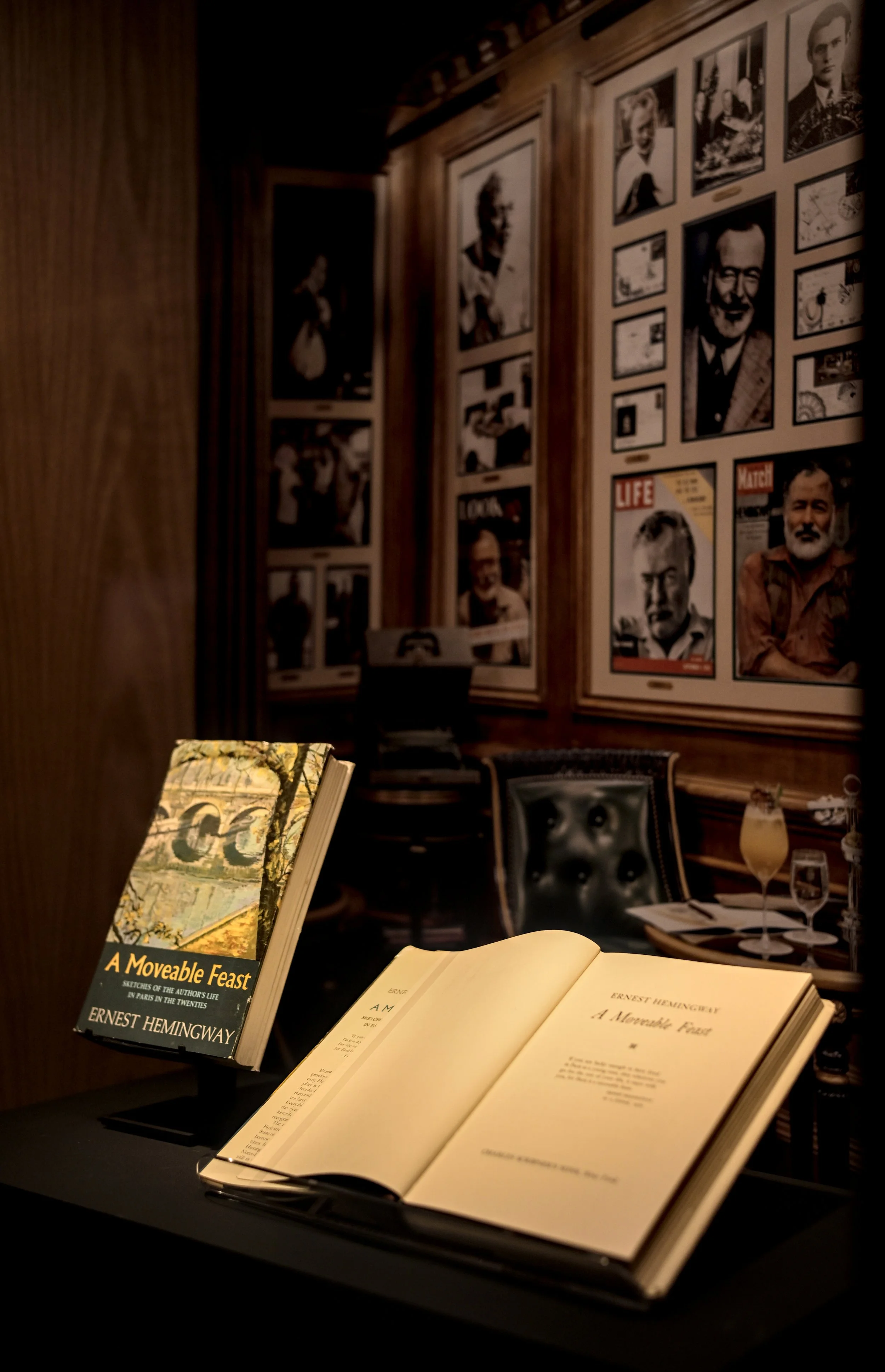
Hidden Treasures: Hemingway Celebrated in 250th Franco-American Cultural Exchange
As France and America celebrated 250 years of shared history, Ernest Hemingway's enduring bond with the Ritz Paris stood among the exhibition's most compelling stories.
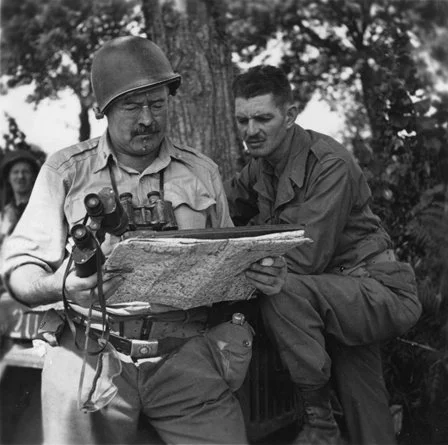
Hemingway on the Front Lines: War, D-Day, and the Bronze Star
By 1944, Ernest Hemingway was already one of the most famous writers alive — and that wasn't nearly enough for him. He talked his way onto a landing craft at Omaha Beach, allegedly led resistance fighters outside Paris, and "liberated" the Ritz before the Allies caught up. What he was officially doing there was reporting.
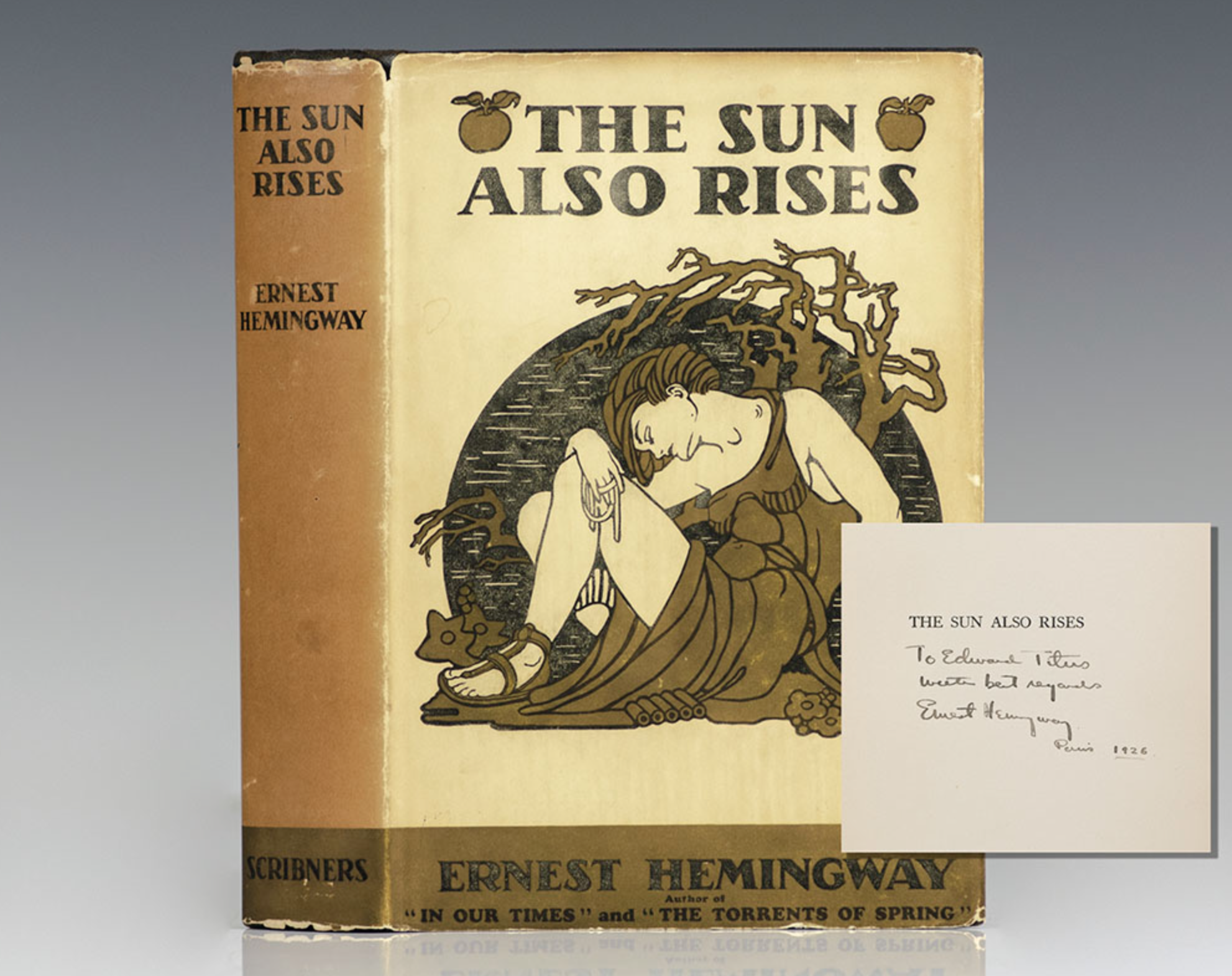
Would You Pay $750,000 for The Sun Also Rises?
Since 1926, The Sun Also Rises has been celebrated as the novel that launched Hemingway's sharp, minimalist style and gave a name to the "Lost Generation." For collectors, though, it's something else entirely: a first edition with the right printing quirks and an original dust jacket can sell for tens of thousands of dollars — and the most exceptional copies have climbed well into the six figures
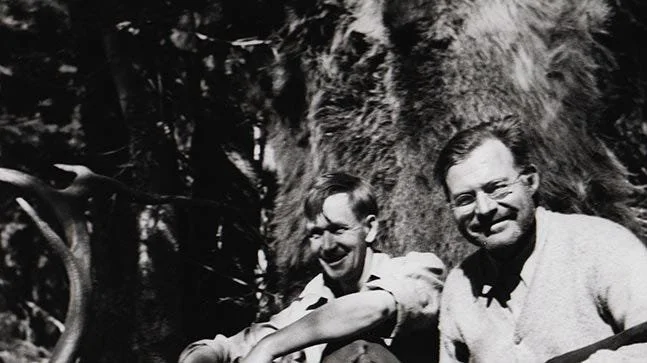
Into the Wild: Hemingway’s First African Safari
In June of 1933, Ernest Hemingway sailed for East Africa looking for the kind of experience that could shake something loose in him. Months of tracking lion, kudu, and buffalo across British East Africa did exactly that — and gave him the raw material for Green Hills of Africa, The Snows of Kilimanjaro, and the image of Hemingway-as-adventurer that followed him for the rest of his life.
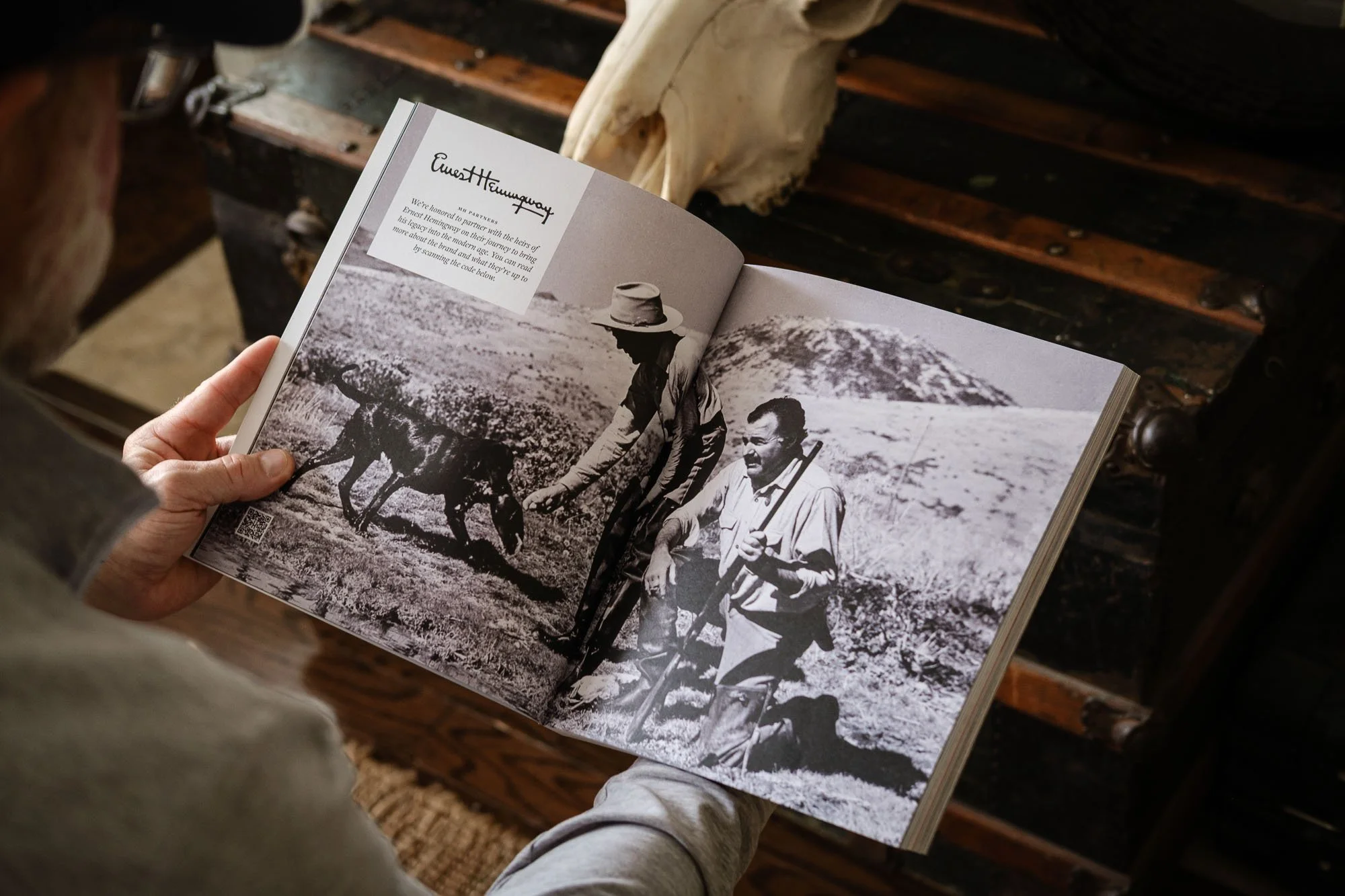
Hemingwrite to the Rescue
Tyler spent his early career living a Hemingway-esque life — filming safaris, traveling to 35 countries, and filling wooden chests with journals. But as professional writing crept in, so did editors, deadlines, and the slow death of creative joy. After founding Modern Huntsman in 2017, the business demands only made it harder to find the headspace to write. That changed when his fiancée gifted him a Hemingwrite — a distraction-free smart typewriter — which reignited his love of writing and helped him finally stop bleeding quite so much at the page.
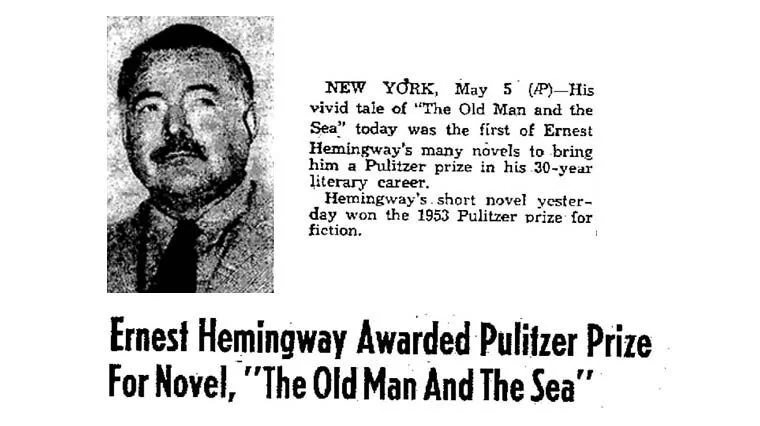
The Prize That Sealed the Legend: Hemingway’s Pulitzer, 1953
Seventy-three years later, the moment Hemingway's spare and powerful prose earned its highest American honor.
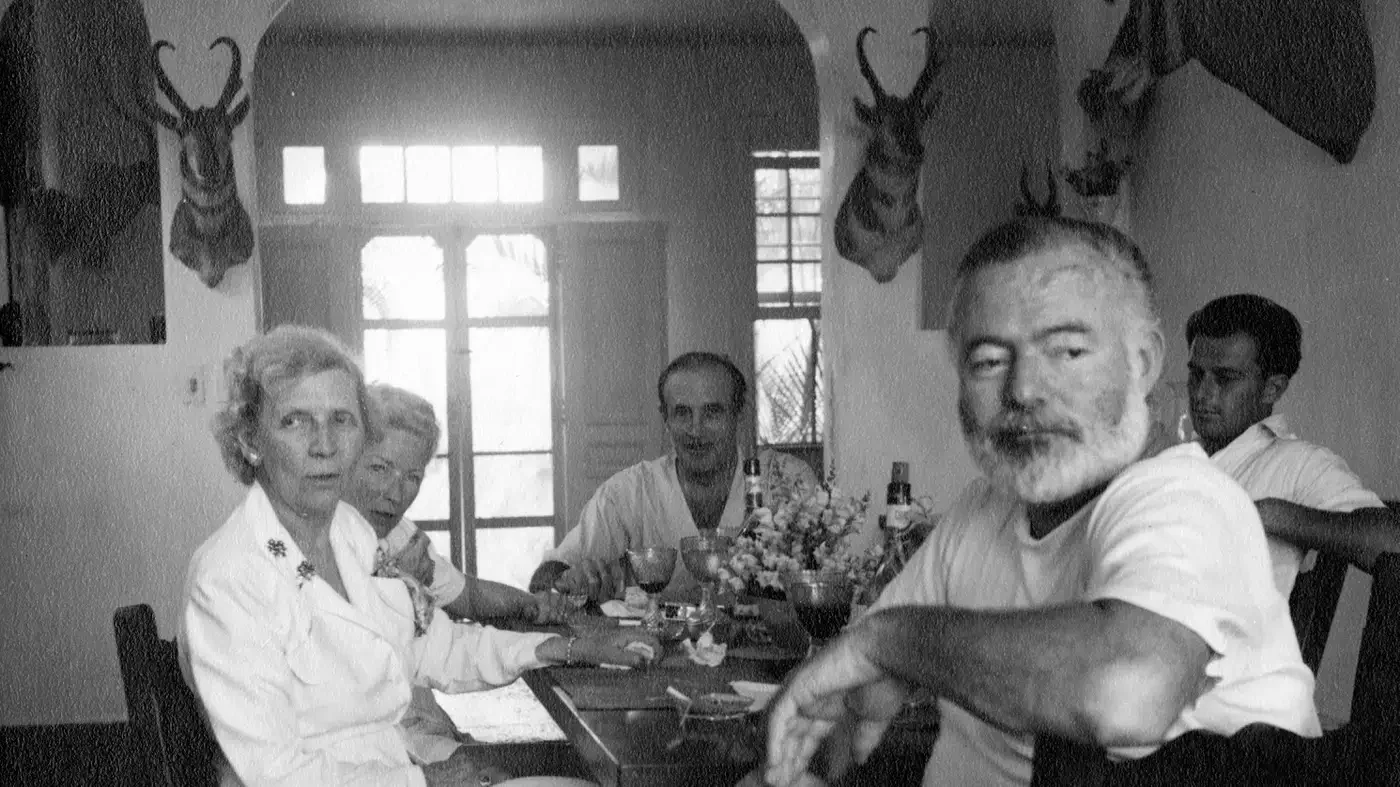
Where Hemingway Found His Rhythm: Life in Cuba
A closer look at how Cuba shaped Hemingway's daily life, his passions, and some of his greatest work.
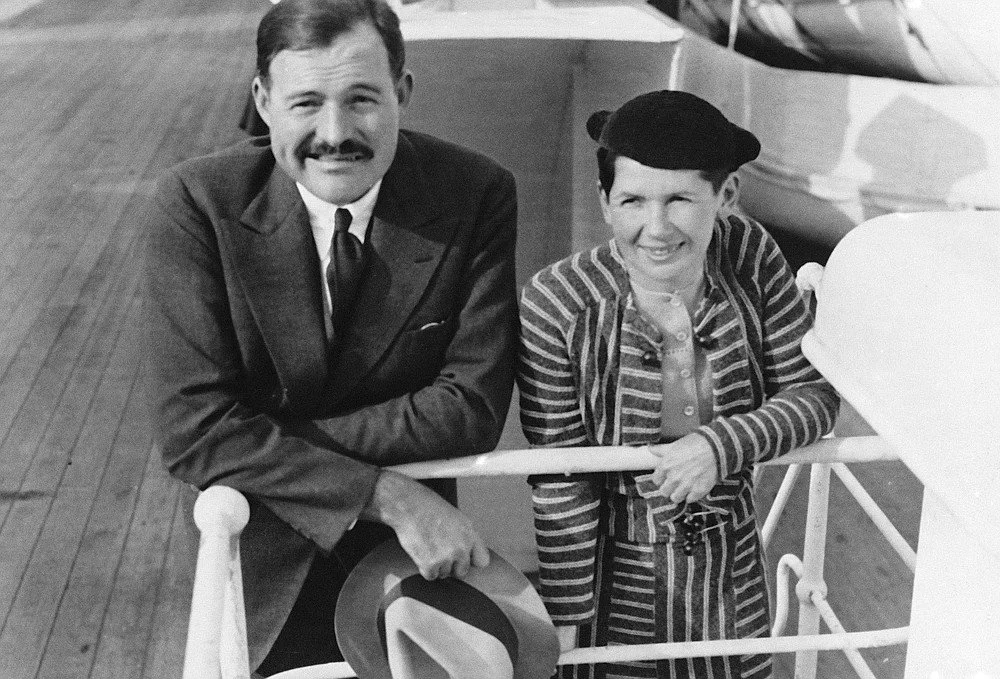
A New Chapter in Key West: Hemingway and Pauline, 1927
In 1927, Ernest Hemingway married Pauline Pfeiffer and moved to Key West — stepping into the chapter that would define his most productive years and quietly build the foundation of his legacy.